
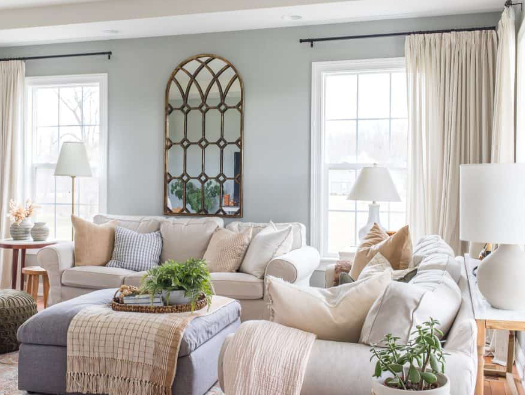
Choosing paint colors for small living rooms can feel daunting, but with the right approach, it can also be an exciting endeavor. The right color can not only enhance the aesthetics of your space but also create a sense of openness and comfort. Here’s how to navigate this colorful journey.
1. Understanding Color Psychology
Before diving into specific shades, it’s crucial to understand the psychological effects of colors. Different colors can evoke varying emotions and feelings. For instance, blues are known for their calming effects, making them suitable for spaces meant for relaxation. On the other hand, yellows can invigorate and uplift a room’s atmosphere, which is ideal for social interactions and gatherings.
Additionally, neutrals can serve as a perfect backdrop to allow furniture and decor to shine. Choosing a color that resonates with your lifestyle and needs will help in creating a comfortable living environment that reflects your personality.
-
- Research the psychological effects of different colors.
-
- Consider how you want to feel in your living space.
-
- Think about the activities you’ll do in the room.
-
- Experiment with sample swatches before making a final decision.
2. Opting for Lighter Colors
In small living rooms, opting for lighter colors can make a significant difference. Light shades, such as soft whites, pastels, and light grays, can create an illusion of a larger space. When light reflects off lighter hues, it can make the room feel airy and open, which is essential in confined areas.
Consider using a light color on all four walls while incorporating a slightly darker tone on an accent wall. This approach adds dimension without overwhelming the space. For instance, pairing a soft cream with a pale sage can introduce character and still maintain that spacious feeling.
-
- Choose soft whites and pastels for a bright and airy feel.
-
- Try layering different light shades to add depth.
-
- Use light colors on trim and ceilings to enhance height.
-
- Test colors in various lighting to see how they change throughout the day.
3. Utilizing Accent Colors Wisely
While light colors can enhance a small living room, utilizing accent colors carefully can add personality without overwhelming the space. An accent wall, for instance, can draw the eye and create a focal point. Deep hues, such as navy blue or forest green, can work beautifully as accents, contrasting against softer colors.
To further enhance this effect, consider the furniture and decor. If your furniture is neutral, a bold accent wall can create a dynamic contrast that adds interest. Alternatively, if your decor is vibrant, choose a neutral or soft backdrop to balance everything out.
-
- Select one wall for an accent color to avoid overwhelming the space.
-
- Coordinate accent colors with your existing furniture and decor.
-
- Limit the number of accent colors to maintain visual harmony.
-
- Experiment with patterns (like stripes or geometric designs) for added flair.
In conclusion, choosing the right paint colors for small living rooms doesn’t have to be a stressful task. With thoughtful choices regarding color psychology, light shades, and strategic use of accent colors, you can transform your space into a comfortable and inviting oasis. Don’t hesitate to explore options and consult with paint professionals for personalized advice; your dream living room is just a few steps away!