
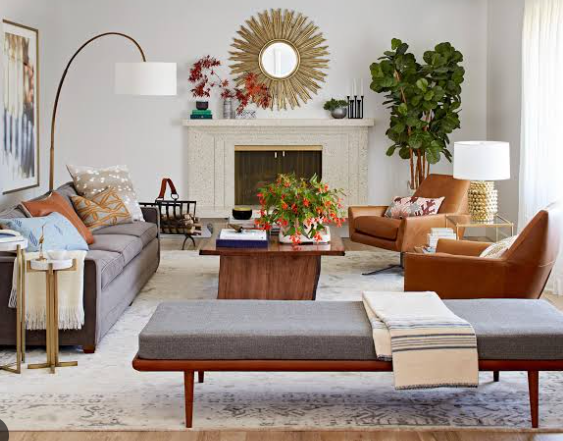
Neutral color schemes can transform small living rooms into inviting and spacious areas. By carefully selecting shades and textures, you can create a balanced, harmonious environment that feels larger than it is. In this post, we will explore practical tips for incorporating neutral colors in your small living spaces.
1. The Power of Light Neutrals
Light neutral colors, such as whites, beiges, and pale grays, can create an illusion of space in small living rooms. These shades reflect natural light, making the room feel brighter and more open. For instance, painting the walls in a soft cream not only opens up the space but also provides a warm backdrop for your decor.
Consider using light neutral colors on large furniture pieces, such as sofas or armchairs, to maintain an airy feel. Pairing a light couch with darker accent pillows can create a balanced look, adding depth without overwhelming the room. To enhance the sense of spaciousness, choose sheer curtains to allow light to flow in freely.
-
- Use light neutral paints on walls for a brighter look.
-
- Opt for light-colored major furniture to open up space.
-
- Incorporate sheer fabrics for window treatments.
-
- Combine light neutrals with textured materials for added interest.
2. Layering Textures in Neutrals
When working with a neutral color palette, layering different textures becomes vital to prevent your living room from looking flat or bland. Incorporate various materials like soft wool, crisp cotton, and natural wood to add depth. For example, a plush beige rug can complement a wicker coffee table, creating visual and tactile contrast.
Additionally, throw pillows and blankets in varied textures can introduce warmth to your space. Mixing a knitted throw with smooth linen pillows offers an inviting atmosphere that encourages comfort. Don’t forget about artwork and decorative pieces—textured wall hangings or ceramic vases can provide focal points without clashing with a neutral background.
-
- Mix various textures (woods, fabrics, metals) for depth.
-
- Incorporate a variety of textiles, such as rugs and throws.
-
- Add art and decor that feature different surfaces.
-
- Ensure that textures complement your overall color scheme.
3. Accent with Colorful Details
While a neutral palette is calming and sophisticated, introducing subtle pops of color can bring life to your living room. Choose one or two accent colors that complement your neutral scheme. Soft pastels like mint green or blush pink can create a serene vibe, while bolder colors like teal or mustard add vibrancy without overwhelming the space.
Use accessories such as cushions, artwork, or throws to incorporate these accent colors. A vibrant painting on the wall or a few colorful books on the coffee table can help create visual interest against the neutral backdrop. Keep in mind that balance is key; too many predominant colors can clutter the serene atmosphere you’re aiming for.
-
- Select one or two accent colors to maintain a cohesive look.
-
- Introduce color through accessories, not large furniture.
-
- Balance subdued accents with stronger tones to avoid clashing.
-
- Change accents seasonally for easy updates.
4. Smart Furniture Choices
Choosing the right furniture can significantly impact the overall feel of your small living room. Prioritize multi-functional pieces that serve more than one purpose, such as a coffee table that doubles as storage or an ottoman that can be used for seating. This not only saves space but also contributes to a neat, uncluttered atmosphere.
When selecting furniture colors, stick to light neutrals and consider using pieces with open designs, like mid-century modern coffee tables. This creates visual flow and prevents heavy, bulky pieces from making the room appear cramped. Remember, the more air and light you allow to circulate, the larger the space will feel.
-
- Opt for multi-functional furniture to optimize space.
-
- Choose lightweight pieces to enhance mobility in the room.
-
- Consider transparent materials (like glass) to create openness.
-
- Incorporate furniture with legs to elevate the visual space.
5. Consistent Flooring Choices
The flooring you select can define the overall ambiance of your small living room. Keeping your flooring consistent with light neutral tones can visually expand the area. Light-colored hardwood or laminate can provide a seamless transition to the walls, increasing the sense of space.
If you prefer carpets, consider a light, textured area rug that ties together your furniture and decor. This can help anchor your arrangements while still maintaining an airy feel. Remember to avoid overly dark or heavy flooring patterns, as they can confine the space visually.
-
- Choose light-colored flooring materials for an expansive feel.
-
- Use area rugs to define spaces while remaining consistent.
-
- Avoid dark, bulky patterns that can overwhelm the room.
-
- Consider transitional flooring for a cohesive look.
In conclusion, implementing neutral color schemes in small living rooms allows for creativity and elegance. By focusing on light colors, textures, accents, smart furniture choices, and consistent flooring, you can craft a space that feels both inviting and spacious. Take the next step by assessing your living room and envisioning how you can utilize these tips for a mini makeover.