
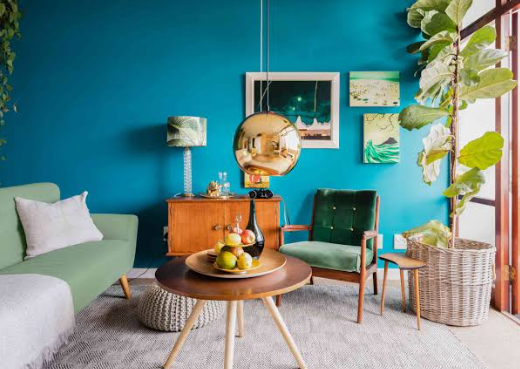
Small living rooms often present a unique challenge when it comes to decoration and design. One effective way to enhance the space while adding personality is by using two-tone color schemes. By choosing the right colors and combinations, you can create an inviting atmosphere that feels larger and more dynamic.
1. Choosing Light and Dark Contrasts
One of the most effective approaches for small living rooms is to use light and dark color contrasts. For example, pairing soft whites or light beiges with deep navy or charcoal can create a striking visual balance. This not only draws the eye around the room but also gives it depth, making the space appear more expansive. A light ceiling color can elevate the room, while dark accents around the furniture or on one wall create a cozy nook feeling.
When selecting your contrasting colors, consider the room’s lighting. Natural light will influence how colors appear, so sampling your chosen shades at different times of the day is essential. Additionally, combining textures—such as a matte finish against a glossy surface—can enhance the depth created by these colors, further enriching the two-tone scheme.
-
- Test paint samples on your walls to see how they look in different lighting.
-
- Incorporate various textures to add more visual interest.
-
- Consider painted accents like one wall or furniture pieces.
-
- Choose a light color for the ceiling to create a sense of height.
2. Play with Neutrals and Pops of Color
Combining neutral tones with pops of vibrant colors can make your small living room feel modern and lively. Think soft grays, whites, or taupes as your base colors, supplemented with bold accents like emerald green or burnt orange. This approach keeps your space looking fresh and energetic without overwhelming it. For example, a neutral sofa with bright throw pillows can liven up the seating area without taking up visual space.
Utilizing decor items like artwork, vases, or rugs in vibrant shades can work wonders. These pops of color can be introduced gradually, allowing you to find a balance that feels comfortable. Additionally, you might consider using patterned wallpaper for one feature wall, which can bring depth and narrative to the room while maintaining the overall color balance.
-
- Select 2-3 main neutral colors for larger items.
-
- Add 1-2 bold colors for smaller decor items.
-
- Mix and match patterns with solid colors to avoid visual chaos.
-
- Incorporate houseplants to naturally boost color and ambiance.
3. Experiment with Soft Pastels and Bold Accents
Soft pastels can create a calming environment in small living rooms, especially when paired with bold accents. Colors like blush pink, soft lavender, or pale blue can make the walls appear light and airy. To complement these soothing hues, consider adding furniture or decor in rich tones such as dark teal or burgundy. This combination creates an energetic yet peaceful ambience, perfect for relaxation or entertaining.
Another advantage of using soft pastels is their ability to reflect light, which can brighten up even the smallest spaces. Using a pastel palette can also allow for playful experimentation with textures, from plush cushions to silky curtains. Don’t shy away from layering these elements; the combination of soft backgrounds with bold statement pieces can enhance the charm of your living room.
-
- Choose pastel shades for walls to make the room feel larger.
-
- Add bold furniture or accessories to create focal points.
-
- Incorporate textured fabrics for additional depth.
-
- Use mirrors to further enhance light and color reflections.
4. Integrate Bold Geometric Patterns
For a more contemporary approach, consider incorporating bold geometric patterns in your two-tone color scheme. You can use these patterns in wallpaper, rugs, or throw blankets to add dynamic energy to the room. For example, a large geometric design in monochrome can serve as a central element that pulls together the room’s aesthetic, particularly if the secondary tone is a solid color that complements it.
When utilizing geometric patterns, ensure they don’t overwhelm the space. Balance is key; one patterned element can make a statement while the rest of the room remains clean and straightforward. This technique not only adds a touch of sophistication but can also make a room feel more curated and intentional.
-
- Select one bold patterned piece to serve as a focal point.
-
- Anchor the look with solid colors to prevent chaos.
-
- Incorporate various geometric designs to keep things interesting.
-
- Be mindful of scale; large patterns can overwhelm small spaces.
Incorporating two-tone color ideas in your small living room can significantly enhance its appeal and functionality. With some thoughtful planning and creativity, you can create a beautiful space that reflects your style. Consider reaching out to a designer for personalized advice to elevate your home’s decor even further!