
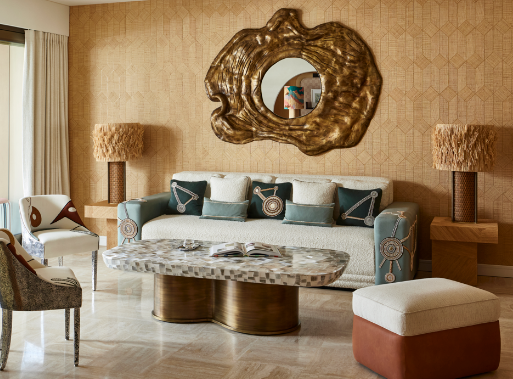
Creating a small living room that feels inviting and spacious can be a delightful challenge. Earth tone palettes offer the perfect solution for this, providing warmth and a sense of calm. By carefully selecting colors and textures, you can transform your cozy space into a stylish sanctuary.
1. Understanding Earth Tones
Earth tones are colors that reflect the natural world around us, drawing inspiration from soil, rocks, foliage, and water. They typically include shades of brown, beige, green, and muted blues—colors that can ground a space and create a serene atmosphere. For a small living room, these colors work particularly well because they can make the area feel balanced and unified.
When choosing earth tones for your living room, consider the impact of light on these colors. Natural light can enhance the warmth of shades like terracotta or soft olive, while artificial lighting might bring out cooler undertones. Therefore, it’s crucial to test your chosen colors in the context of your space before committing to a full paint job.
-
- Choose a base color—light beige or soft gray works well.
-
- Incorporate darker shades in accents, like cushions or rugs.
-
- Test paint samples on your walls at different times of the day.
-
- Consider the lighting in your room—natural vs. artificial.
-
- Mix textures to create depth, such as wood and fabric.
2. Pairing Earth Tones with Furniture and Décor
Once you have your color palette established, select furniture that complements these hues. Earth tone palettes pair beautifully with wood furniture, especially pieces made of reclaimed wood or with a natural finish. Sofas in muted colors—such as moss green or taupe—can anchor the space without overwhelming it, thereby maintaining an open feel.
Drapery, cushions, and decorative items should also follow the earth tone theme but can include patterns or slight variations to add visual interest. Consider textiles like linen and cotton for soft furnishings, which not only look great but also contribute to the overall warm ambiance of the room.
-
- Select wooden furniture or furniture that mimics natural materials.
-
- Choose neutral upholstery that complements your chosen palette.
-
- Incorporate patterned textiles for variety without distraction.
-
- Use natural fibers, like wool or jute, for rugs.
-
- Accessorize with dried flowers or plants for a fresh touch.
3. Creating Balance with Accessories
Accessories can make or break your living room’s design, especially in a small space. With earth tone palettes, it’s wise to stick to items that echo the colors you’re already using. For instance, a simple terracotta pot with a small succulent can tie the room together while adding a touch of life and color.
Moreover, mirrors and art can enhance the overall look. Select framed artwork or wall hangings in earthy colors to maintain cohesion. Mirrors can create the illusion of a larger space while reflecting natural light, making your small living room feel airier.
-
- Use accent pieces in varying textures to foster visual harmony.
-
- Incorporate plants or elements of nature for fresh air and color.
-
- Choose artwork that complements your earth tones.
-
- Opt for lightweight curtains in soft, natural tones.
-
- Keep the layout open and uncluttered for a spacious feel.
4. Choosing the Right Lighting
Lighting is essential in showcasing your earth tone palette effectively. Soft, warm lighting can amplify the inviting nature of earth tones and help prevent the room from feeling too dark or heavy. Consider combining various light sources such as overhead lighting, floor lamps, and table lamps to create layers of illumination.
Additionally, accent lighting can enhance specific features, such as artwork or plants. The goal is to ensure every corner of the room feels illuminated and inviting, contributing to a balanced look. Dimmer switches can provide flexibility for creating different atmospheres throughout the day and night.
-
- Utilize warm white bulbs for a cozy glow.
-
- Incorporate various types of lighting for different purposes.
-
- Use dimmers to adjust lighting according to time and mood.
-
- Select fixtures that complement your earthy aesthetics.
-
- Point light at decor or art to create focal points.
5. Final Touches and Personalization
With the foundational elements in place, it’s time to add your personal touch. Your small living room should not only reflect earth tones but also tell your story. Incorporate sentimental items, such as travel souvenirs or handmade crafts, that resonate with you and add character to the space.
Displaying unique items also breaks the monochrome effect of an only earth-tone room, making it feel lived-in and personal. A carefully curated selection of books, family photos, and artistic pieces can become conversation starters while enhancing the room’s warm, welcoming environment.
-
- Display personal items and mementos to tell your story.
-
- Rotate accessories seasonally for a fresh look.
-
- Consider DIY elements to add a personal touch.
-
- Favor simplicity over clutter to maintain a serene atmosphere.
-
- Incorporate meaningful art that resonates with you.
Designing a small living room with earth tones can create a beautiful, cohesive space that feels inviting and calming. By balancing colors, furniture, and accessories mindfully, you can achieve a room that reflects your style and enhances your comfort. Start exploring earth tones to make your living space a true reflection of who you are!