
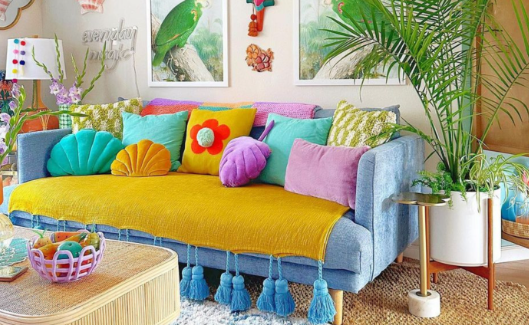
Small living rooms can often feel cramped and limited in design options, but using multi-color palettes can bring vibrancy and warmth to these spaces. A thoughtfully chosen color scheme not only enhances the aesthetic appeal but can also create an illusion of space and openness.
In this article, we will explore some exciting multi-color palette ideas that are perfect for transforming small living rooms into cozy and stylish retreats.
1. Embrace Complementary Colors
Complementary colors are pairs of colors that are opposite each other on the color wheel, such as blue and orange or yellow and purple. When used in a small living room, these colors can create a dynamic and engaging atmosphere. For instance, painting one wall in a rich, deep blue while using a bright orange for accents creates an energetic contrast that can make the room feel inviting and lively.
To effectively incorporate complementary colors, consider using one as the dominant shade and the other as an accent. This approach helps maintain balance while ensuring that the space does not feel overwhelming. Soft furnishings, like throw pillows or curtains in the accent color, can tie the room together beautifully.
-
- Choose one dominant and one accent color.
-
- Incorporate accents through textiles and accessories.
-
- Keep large furniture pieces neutral to avoid clashing.
-
- Test color combinations with swatches before full application.
2. Utilize Pastel and Bold Combinations
Combining pastel shades with bold colors can create a fun and inviting atmosphere in a small living room. Soft greens, blues, or pinks can act as a soothing backdrop, while a vibrant yellow or striking red can provide focal points. This juxtaposition not only adds depth to the space but also allows for flexibility in décor choices.
When applying this technique, be mindful of pain distributions. A pastel wall color can set a calming tone, while bold furniture or artwork can bring excitement into the room. This approach also helps in creating layers within the color scheme, making the room feel more expansive and visually interesting.
-
- Select a light pastel for walls.
-
- Use bold colors in artwork or accent pieces.
-
- Mix patterns that complement both colors.
-
- Avoid using too many bold shades to maintain harmony.
3. Create a Monochromatic Palette with Varying Tones
A monochromatic palette involves using different shades and tints of a single color, which can evoke a sense of tranquility and coherence in a small living room. By mixing light and dark variations, you can infuse the space with personality while avoiding the overwhelming effect of multiple colors. For example, an array of blues from sky blue to navy can be both calming and visually appealing.
Furthermore, incorporating texture variation within the same color palette—such as soft velvet cushions, smooth wall finishes, and knitted throws—can create depth without complicating your color scheme. This technique lends itself well to small spaces, making them feel both cohesive and sophisticated.
-
- Choose one base color to work with.
-
- Incorporate accessories in lighter and darker shades of that color.
-
- Use textures for interest and visual appeal.
-
- Stay mindful of the lighting, as it can drastically change hues.
4. Incorporate Neutrals with Accent Colors
Using neutrals as a base alongside bolder accent colors can help create a balanced and sophisticated look in a small living room. The calmness of whites, grays, or tans allows for flexibility with striking colors like teal or burnt orange. This approach makes the primary color stand out while ensuring the environment remains serene and uncluttered.
Accent colors can be introduced through furniture, art pieces, or even wall decor. A neutral sofa can be given life with vibrant throw pillows, and a plain wall can serve as a perfect backdrop for a colorful piece of art. This strategy keeps the room feeling spacious and airy while allowing bursts of personality through accent colors.
-
- Use neutral tones on larger furniture.
-
- Select a quirky or bright color for smaller accents.
-
- Change accent colors with seasons or moods for a fresh look.
-
- Be cautious with too many accent colors; keep it cohesive.
5. Experiment with Geometric Patterns
Geometric patterns create eye-catching focal points and can even enhance the perceived space in a small living room. A mix of colors within geometric designs can bring excitement without being overpowering. For example, a feature wall adorned with a geometric wallpaper combining pastels and bright shades can attract attention while offering a chic vibe.
In addition to wall treatments, geometric patterns can be incorporated through rugs, cushions, and throws. This multidimensional approach allows for a refreshing mix that draws the eye and maintains interest throughout the space. Remember to balance bold patterns with solid colors to avoid a cluttered appearance.
-
- Choose geometric patterns that incorporate your color palette.
-
- Limit the number of bold patterns to one or two foci.
-
- Use solid colors to ground busier designs.
-
- Consider the scale of patterns; larger spaces need larger patterns.
In conclusion, using multi-color palettes in small living rooms can breathe new life into your space, making it feel both stylish and inviting. By experimenting with complementary colors, pastels with bold accents, monochromatic schemes, neutrals paired with pops of color, and geometric patterns, you can create a beautiful sanctuary in your home. Don’t hesitate to explore these ideas and even consult with a professional for bespoke design solutions tailored to your unique preferences.