
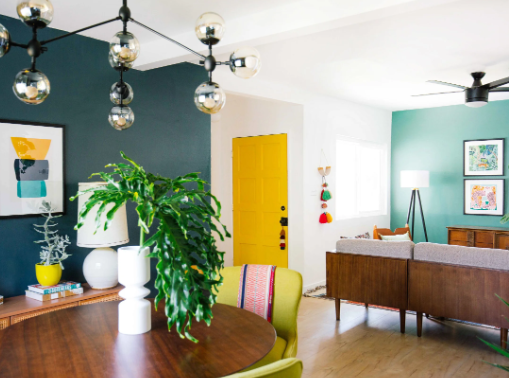
Finding the perfect color scheme for a small living room can be a delightful yet challenging endeavor. Retro color schemes not only evoke nostalgia but also create a vibrant atmosphere that can transform your space. In this post, we will explore several retro color palettes ideal for small living rooms and how to implement them effectively.
1. Earthy Tones: Embracing Nature
Earthy tones, which include shades of brown, beige, and olive green, offer a warm and inviting ambiance. These colors are reminiscent of the 1970s and can make a small living room feel cozy. To incorporate this palette, consider painting the walls a warm taupe while using darker wooden furniture to add depth. Accessorize with soft textiles in muted greens and creams to enhance the natural feel.
Another way to embrace the earthy tones is through patterned textiles, such as retro-inspired curtains or throw pillows. Look for patterns that feature botanical designs or abstract shapes. By layering these textiles with complementary colors, your small living room can feel larger and more cohesive, embodying the inviting warmth of a retro retreat.
-
- Choose a main wall color in taupe or beige.
-
- Add darker wood furniture for a grounding effect.
-
- Incorporate patterned textiles featuring earth tones.
-
- Use plants to enhance the earthy vibe.
-
- Consider a vintage rug to tie the room together.
2. Bold Contrasts: The Psychedelic Palette
The psychedelic palette, vibrant and striking, features bold colors like deep purples, electric blues, and bright oranges. This scheme creates an energetic atmosphere that can energize a small living room. If you’re drawn to bold designs, start by selecting one standout color for an accent wall, while keeping the other walls in a neutral shade, such as light gray or white, to ensure balance.
Accessorizing with colorful artwork and retro furniture pieces can enhance this aesthetic. Choose statement chairs or light fixtures in bright hues that make a design impact. Additionally, consider incorporating geometric patterns in rugs or cushions to reinforce the lively spirit of the psychedelic palette while keeping the space feeling dynamic yet organized.
-
- Pick one bold color for an accent wall.
-
- Use neutrals to balance out vivid hues.
-
- Incorporate geometric patterns in accessories.
-
- Select retro furniture pieces in striking colors.
-
- Mix and match colors to find the right vibrant balance.
3. Pastel Shades: Soft and Sweet
Pastel colors, such as mint green, blush pink, and soft yellow, can breathe fresh air into a small living room, evoking a sense of tranquility. These soft shades not only create an illusion of space but also bring a light-hearted charm reminiscent of the 1960s. Consider painting the walls in a serene mint green and complementing it with blush pink upholstery for a balanced look.
To enhance the pastel theme, layer different shades through furniture, decor, and accents. You can add pastel-hued throw blankets, framed prints, or a colorful area rug to tie the whole theme together. This dreamy color scheme can transform your living space into a haven of relaxation, making it the perfect spot for unwinding or socializing.
-
- Opt for a soft pastel color for wall paint.
-
- Mix different pastel shades in textiles and decor.
-
- Use natural light to enhance the colors’ softness.
-
- Incorporate light-colored wood furniture for a cohesive feel.
-
- Balance pastels with minimalistic decor to avoid clutter.
4. The Monochromatic Adventure
Monochromatic schemes, utilizing different shades of a single color, can create a sophisticated and unified space. This approach allows for a clean, contemporary design that feels intentionally curated. For a small living room, select a color you love—let’s say teal—and use its varying tones for walls, furniture, and accessories to create visual depth.
Incorporating textures alongside a monochromatic palette is crucial. For example, pair smooth, glossy furniture with matte textiles, like velvet cushions, to add interest. By playing with texture, you can prevent the space from feeling flat. Adding an area rug in a deeper shade of teal juxtaposed with lighter accents can also enhance the overall aesthetic.
-
- Pick a base color and explore its varying shades.
-
- Incorporate different textures to maintain interest.
-
- Use layered lighting to highlight the color dynamics.
-
- Add accessories in mixed materials but within the same hue.
-
- Be thoughtful about the balance of light and dark shades in the room.
5. Retro Patterns: Bold and Adventurous
Incorporating retro patterns into your color scheme can add character and charm. Think of checkered prints, stripes, or floral designs that were popular in past decades. These patterns can be used for wallpaper, cushions, or even artwork to create a focal point in your small living room. Choose a bold patterned piece as a statement, while keeping the rest of the room in solid colors that complement it.
Mixing different patterns can be intimidating, but it’s a fun way to showcase your personality. Use the same color palette across various patterns to maintain cohesion. For example, if your wallpaper features shades of orange and olive, accessorize with cushions and throws that highlight one of those colors to ensure harmony throughout the space.
-
- Select one bold pattern as your main focus.
-
- Coordinate colors across different patterns for unity.
-
- Use solid colors as a backdrop to enhance patterns.
-
- Don’t be afraid to layer different patterns for depth.
-
- Keep the proportions in mind; larger patterns may overwhelm a small space.
In conclusion, retro color schemes can beautifully enhance small living rooms by creating inviting and engaging spaces. Whether you lean toward earthy tones, bold contrasts, soft pastels, monochromatic designs, or adventurous patterns, each palette offers unique charm and flair. Don’t hesitate to experiment with these ideas and consult a professional if you need tailored guidance to achieve the look you desire.