
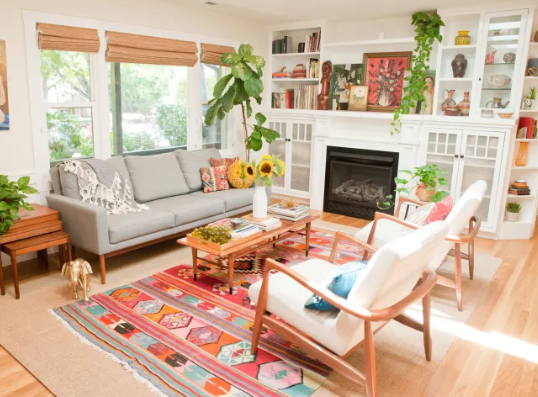
Small living rooms can often feel cramped and cluttered, but with the right color zoning techniques, you can create a sense of spaciousness and tranquility. Color zoning allows you to define different areas within the same space using varying shades, enhancing the room’s functionality and aesthetic appeal. Let’s explore some innovative ideas that can transform your small living room into a stylish and organized sanctuary.
1. Define Zones with Contrasting Colors
One of the most effective ways to utilize color zoning in a small living room is by using contrasting colors to define specific areas. For instance, you could opt for a bold accent wall behind the sofa in a deep blue or charcoal shade while keeping the rest of the walls a lighter neutral color. This contrast not only highlights the seating area but also adds depth to your room, making it feel larger and more inviting.
Another approach is to use contrasting colors in the furniture itself. For example, pairing a light-colored coffee table with a darker sofa can create a visually appealing balance. This differentiation allows your eyes to travel around the space without feeling overwhelmed, giving your small living room a thoughtful design aesthetic.
-
- Choose a prominent wall for your accent color.
-
- Use a mix of light and dark furniture for contrast.
-
- Consider colored rugs to delineate separate zones.
-
- Avoid using too many dark colors to keep the space from feeling small.
-
- Choose colors that complement each other for a cohesive look.
2. Create a Multi-Functional Space with Color
Color zoning becomes even more essential in a small living room that serves multiple purposes, such as a home office or a reading nook. To set apart these zones, you can paint a small section of the wall with a soft, warm color where the desk is located – think a pale yellow or soft pastel. This subtle differentiation encourages productivity and makes the area inviting for work or leisure.
Incorporating color into furnishings can also reinforce the multifunctional aspect of your space. A bookshelf painted in a bright hue can serve both as storage and a visual divider between the lounging area and the workspace. This not only enhances visual appeal but also organizes the flow of the room, making it easy to transition between activities.
-
- Opt for warm colors in work zones to stimulate creativity.
-
- Use rugs to define workspaces and lounging areas.
-
- Incorporate color into multifunction furniture like ottomans or chairs.
-
- Utilize stacks of books as color accents on tables or shelves.
-
- Switch up decorative throw pillows in various colors to refresh the look.
3. Use Color to Enhance Lighting
The right color zones can affect how light is perceived in a small living room. Lighter colors tend to reflect natural light, making a space feel airy and bright. Consider painting your ceilings a light shade, which can create an illusion of height. Additionally, using a warm neutral color on the walls can help bounce light around the room, reducing shadows and making the space more inviting.
Moreover, strategically placed colored lamps and light fixtures can enhance the ambiance. For example, a soft pink lampshade can cast a warm glow, creating a cozy atmosphere in the evening. You can even use colored LED lights around shelving units to add a fun, modern twist while giving your small living room depth and character.
-
- Select light colors for ceilings to enhance height perception.
-
- Use mirrors to reflect natural light in zones.
-
- Choose warm neutrals for wall colors for added light bounce.
-
- Experiment with colored bulbs for mood lighting.
-
- Consider adjustable lighting to change the feel of the space.
By employing these color zoning ideas, you can successfully transform your small living room into an organized, welcoming area that reflects your personal style. Experiment with different color combinations and layouts to find what works best for your needs and preferences. The journey of creating your ideal space begins now!