
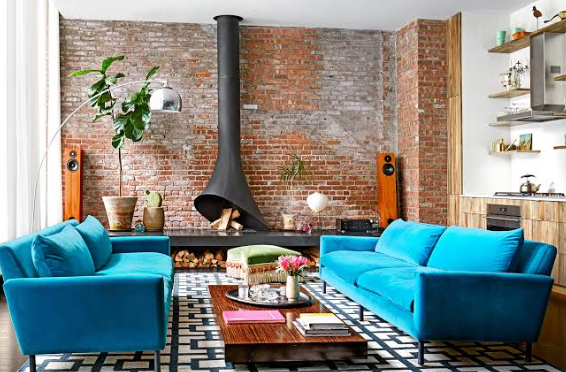
Transforming a small living room through color schemes can create a more open and inviting atmosphere. Whether you’re starting from scratch or refreshing an existing space, the right colors can make all the difference. Below are some expert tips to help you select the perfect color palette.
1. Embrace Light Colors
The first step in creating an airy feel in a small living room is to choose light colors for your walls. Shades like soft white, pale gray, or muted pastel tones reflect light and can make the room feel more expansive. A fresh coat of paint in these shades can instantly brighten the space, making it seem larger than it actually is.
Additionally, using light colors for your furniture and decor can contribute to a balanced and cohesive look. For instance, a light beige sofa paired with cream-colored cushions can create a harmonious aesthetic. This combination allows natural light to bounce around the room, enhancing the illusion of space.
-
- Opt for soft whites or pastels for walls.
-
- Choose light textiles for furniture and pillows.
-
- Remember that brighter spaces feel more spacious.
-
- Incorporate mirrors to reflect light and colors.
2. Use Accent Colors Wisely
While light colors help in expanding space, introducing accent colors can add warmth and personality to your small living room. Consider using vibrant hues like deep blue, rich green, or bold terracotta to create focal points. These colors work wonderfully for feature walls or decorative elements like throw pillows, artwork, or rugs.
Be mindful of balance when integrating accent colors. Too many bold hues can overwhelm the space. Instead, choose one or two accent colors that complement your light base, ensuring that they serve as eye-catching highlights rather than dominating the room.
-
- Pick one or two accent colors to avoid overwhelming the space.
-
- Use bold colors for decorative accessories rather than large surfaces.
-
- Incorporate accent colors through small items like vases or artwork.
-
- Experiment with different shades of the same color for depth.
3. Consider the Effect of Texture
The interplay of textures can significantly influence how color schemes work in a small living room. Incorporating a mix of materials, such as a sleek metallic table, a plush velvet sofa, and a soft cotton rug, helps add dimension to your color palette. Textured elements can break up the monotony, making the space visually interesting while still adhering to your chosen colors.
Color and texture can also work hand in hand. For example, pairing a chalky paint finish on the walls with a shiny accent piece, like a glass coffee table, creates a dynamic look. This combination enhances the overall aesthetic and can even contribute to a larger feel by reflecting light in various ways.
-
- Mix different materials for added visual interest.
-
- Incorporate both matte and glossy finishes to create contrast.
-
- Choose textured fabrics for cushions and throws.
-
- Utilize natural materials like wood or stone to warm up the color scheme.
4. Take Lighting into Account
Lighting plays a pivotal role in how colors appear in your space. Natural light can soften colors, while artificial light can enhance or distort them. Before finalizing your color scheme, assess how the light changes throughout the day. Rooms with ample natural light can handle darker tones, while those with less light should lean towards lighter, brighter shades.
Moreover, use layered lighting techniques to enhance your color palette. Ceiling fixtures, lamps, and even candles can cast different hues and create a warm ambiance. For instance, a soft yellow light can make neutral colors feel more inviting, while bright white light can accentuate cool tones.
-
- Observe how natural light affects your chosen colors at different times.
-
- Incorporate various light sources for layered illumination.
-
- Avoid harsh fluorescent lighting that can distort colors.
-
- Choose warm light bulbs for a cozy atmosphere.
5. Don’t Forget About Flow
Creating a cohesive flow between rooms is essential when planning a color scheme for your small living room. Consider how the colors of adjoining spaces complement each other. Using similar tones across rooms can create a seamless transition, making your home feel more harmonious and spacious.
Employing consistent color themes doesn’t mean everything has to match perfectly. Variances in shades or complementary colors can bring visual interest while maintaining a unified look. For example, if your living room features soft blues, you might incorporate navy in an adjacent dining area to maintain continuity without being monotonous.
-
- Keep a consistent color theme throughout adjacent rooms.
-
- Use similar tones to create a harmonious flow.
-
- Incorporate complementary colors to add interest.
-
- Avoid abrupt changes in color between spaces.
In conclusion, applying these expert color scheme principles can transform your small living room into a welcoming and spacious haven. Don’t be afraid to experiment with light colors, accent tones, and different textures to find what best suits your style. Start planning your color journey today, and watch your space come alive!