
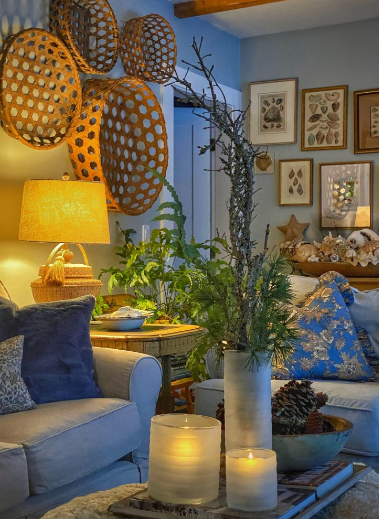
Winter Living Room Cozy Makeover Ideas for a Warm and Inviting Home
When temperatures drop and daylight becomes shorter, the living room often becomes the most important gathering space in the home. It is where people relax, read, watch movies, entertain guests, and spend quiet evenings indoors. A few thoughtful changes can make this room feel noticeably warmer and more comfortable without requiring a complete renovation.
The best Winter Living Room Cozy Makeover Ideas focus on texture, lighting, color, furniture placement, and seasonal details. Instead of adding too many decorative objects, a successful winter makeover usually comes from layering practical elements that make the room feel softer, warmer, and more inviting.
Start With a Warm Winter Color Palette
Color has a major influence on how comfortable a living room feels during winter. Cool, bright spaces can sometimes appear less welcoming when the weather outside becomes gray and cold, while warmer shades create a more enclosed and relaxed atmosphere.
You do not necessarily need to repaint the entire room. Small changes can introduce seasonal warmth through textiles, artwork, pillows, rugs, and accessories.
Popular winter living room colors include warm beige, taupe, caramel, chocolate brown, muted terracotta, olive green, deep burgundy, and soft cream. Darker shades such as charcoal, forest green, or navy can also create a cozy effect when balanced with lighter furniture and natural materials.
For a neutral room, consider combining beige upholstery with brown wood, cream textiles, and muted green accents. This creates warmth while still keeping the space versatile after winter.
Layer Soft Textures Throughout the Room
Texture is one of the easiest ways to make a living room feel warmer without changing its basic design.
During winter, lightweight summer fabrics can be replaced or layered with heavier materials such as wool, velvet, boucle, fleece, faux fur, or chunky knit textiles.
Add a soft throw blanket to the sofa, place textured cushions on armchairs, and consider using heavier curtains around windows. These materials visually soften hard surfaces and make the room feel more comfortable.
Layering works especially well when different textures are combined rather than using the same fabric throughout the room. For example, a linen sofa can be paired with a wool blanket, velvet pillows, and a woven rug.
The goal is to create depth without making the room feel cluttered.
Add a Large Area Rug for Warmth
An area rug can dramatically change the appearance of a living room during winter.
Hard flooring such as wood, stone, or tile can feel visually cold, particularly in large rooms. A rug introduces softness while also helping define the main seating area.
Choose a rug that is large enough to connect the sofa, chairs, and coffee table. Ideally, at least the front legs of the main seating pieces should rest on the rug.
For winter, rugs with thicker piles or woven textures can create a warmer atmosphere. Wool rugs are particularly suitable because they combine durability with a naturally comfortable surface.
Neutral rugs work well in most interiors, while patterned rugs can add warmth and character to minimalist rooms.
Improve the Lighting for Darker Winter Evenings
Lighting becomes especially important during winter because natural daylight is limited.
Instead of relying only on a central ceiling fixture, use several light sources at different heights throughout the room.
Floor lamps beside sofas, table lamps on consoles, wall sconces, and small accent lamps can create a layered lighting scheme. This produces softer illumination and makes the room feel less harsh during the evening.
Warm-toned bulbs are generally more suitable for cozy winter interiors than very cool white lighting.
Candles can also add gentle ambient light, while lanterns or decorative lamps can help illuminate darker corners of the room.
A simple lighting upgrade is often one of the most effective Winter Living Room Cozy Makeover Ideas because it changes the atmosphere immediately.
Rearrange Furniture for a More Intimate Layout
Furniture placement can influence how warm and welcoming a room feels.
During warmer months, furniture may be arranged to emphasize openness and movement. In winter, a slightly more intimate layout can make the same room feel noticeably cozier.
Try positioning chairs closer to the sofa and coffee table rather than leaving large gaps between seating pieces.
If the room has a fireplace, arrange the main seating area so that the fireplace becomes a visual focal point.
In larger living rooms, consider dividing the space into smaller zones. A reading chair with a floor lamp and side table can create a separate winter reading corner, while the main sofa area remains suitable for conversation and entertainment.
Avoid pushing every piece of furniture against the walls. Bringing seating slightly inward often creates a more comfortable arrangement.
Style the Sofa for Winter
The sofa is usually the largest visual element in a living room, so changing its accessories can have a strong seasonal effect.
Start with a few cushions in different fabrics and sizes. Mix solids with subtle patterns to create variety without overwhelming the space.
Colors such as camel, rust, olive, cream, brown, and deep red work particularly well during the colder months.
Add one or two blankets rather than covering the entire sofa. A loosely folded throw placed over an armrest or corner can make the room feel relaxed while remaining functional.
If your sofa is already dark, lighter cream or beige textiles can provide contrast. If the sofa is light, darker winter accessories can add depth.
Decorate the Coffee Table With Seasonal Details
A winter living room makeover does not require elaborate decorations.
The coffee table is a good place to introduce a few seasonal elements because it sits at the center of the seating area.
A simple arrangement might include a ceramic bowl, a small stack of books, a candle, and natural materials such as pinecones or dried branches.
Wooden trays can help organize smaller decorative objects and prevent the table from looking cluttered.
After the holiday season, remove obvious Christmas decorations and replace them with more neutral winter elements. Evergreen branches, dried plants, stoneware, candles, and textured ceramics can remain appropriate throughout January and February.
Bring Natural Materials Indoors
Natural materials add warmth and visual variety to winter interiors.
Wood is especially effective because it introduces warmer tones that balance painted walls, metal furniture, and modern finishes.
A wooden coffee table, side table, stool, or decorative bowl can make a contemporary living room feel less formal.
Woven baskets are another practical addition. They can store blankets, magazines, firewood, or children’s toys while contributing natural texture.
Stone, clay, rattan, and dried botanical arrangements can also be used to create a more organic winter atmosphere.
Make the Fireplace a Winter Focal Point
If your living room has a fireplace, winter is the ideal time to emphasize it.
Keep the mantel relatively simple so that the fireplace remains the main visual feature. A mirror, framed artwork, candles, ceramic pieces, or understated greenery can provide decoration without making the area feel crowded.
Furniture can also be angled toward the fireplace to reinforce it as the center of the room.
Even homes without a functioning fireplace can create a similar sense of warmth by establishing a focal point around a media console, large artwork, or decorative wall.
Create a Cozy Reading Corner
A small reading area can make a winter living room more functional and visually interesting.
Choose an unused corner and add a comfortable chair, small side table, floor lamp, and soft throw.
If space allows, place the chair near a window so the area benefits from natural daylight during the day.
A compact bookshelf or basket of books can complete the space without taking up much room.
This type of small-scale makeover is particularly useful in apartments or narrow living rooms where there is not enough space for major furniture changes.
Try Budget-Friendly Winter Updates
A cozy living room does not require expensive new furniture.
Many effective updates involve accessories that can be reused every year. Changing cushion covers, adding a rug, rearranging furniture, introducing baskets, or replacing cool lighting with warmer bulbs can significantly change the atmosphere.
Secondhand wooden furniture can also work well in winter interiors because slightly aged finishes often add warmth and character.
Before purchasing new items, consider rearranging what you already own. Moving lamps, chairs, artwork, or side tables between rooms can sometimes refresh the living room without any additional cost.
Keep the Winter Decor Balanced
One of the most important principles behind successful Winter Living Room Cozy Makeover Ideas is balance.
Too many blankets, pillows, candles, and seasonal decorations can make the room feel crowded rather than comfortable. Instead, focus on a few changes that improve both appearance and function.
Start with the largest elements first: furniture arrangement, rug, curtains, and lighting. Then add smaller accessories such as pillows, blankets, baskets, and decorative objects.
A winter living room should still feel easy to move through and practical for everyday life.
Create a Living Room That Feels Comfortable All Winter
A winter makeover is less about following a particular decorating style and more about creating a space that feels warmer, softer, and easier to enjoy during the colder months.
By layering textiles, improving lighting, adding natural materials, adjusting furniture placement, and introducing seasonal colors, almost any living room can become more comfortable without major renovation.
The most practical Winter Living Room Cozy Makeover Ideas are also flexible. Many of these changes can remain in place beyond the holiday season and continue working throughout January, February, and early spring.
A well-designed winter living room combines visual warmth with everyday comfort, creating a welcoming space where people naturally want to spend more time.