
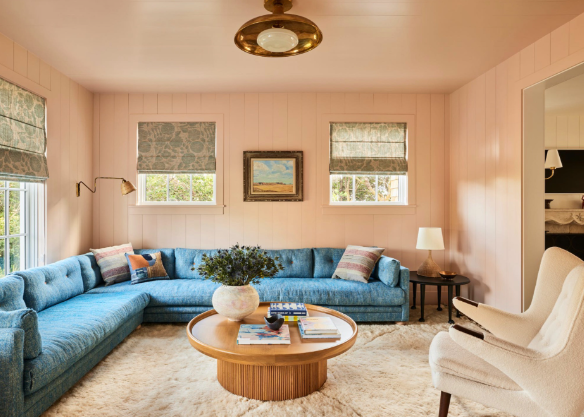
Creating an inviting and stylish living room can be a fun project, especially when working with smaller spaces. One great way to add personality and depth to a small living room is by choosing the perfect accent wall color. In this post, we’ll explore different color options and strategies for selecting an accent wall that enhances your space.
1. Choosing Bold Colors for Impact
Bold colors can incredibly elevate the visual dynamics of a small living room. Incorporating a striking hue, such as deep navy blue or rich forest green, can provide a stunning backdrop that draws the eye and creates a focal point. When working with such colors, it’s important to balance them with lighter furniture and decor to prevent the space from feeling cramped.
For example, pairing a dark blue accent wall with white or light gray furniture can create a sophisticated contrast, making the room appear more spacious. Additionally, bold colors tend to evoke strong emotions, so choose a shade that resonates with the mood you wish to create in your home.
-
- Choose a bold color that aligns with the overall theme of your living room.
-
- Balance dark hues with lighter furniture and decor.
-
- Incorporate artwork or decor that complements your accent wall color.
-
- Test samples on the wall before committing to a final choice.
2. Incorporating Soft Neutrals for Warmth
If bold colors seem overwhelming for your small living room, consider using soft neutral tones like beige, taupe, or soft gray. These colors can create a cozy atmosphere while still allowing you to infuse personality into the space. A soft neutral accent wall helps to reflect light, which can enhance the perceived size of the room.
Additionally, soft neutrals provide a versatile backdrop that allows you to play with colorful accents in decor, such as vibrant cushions, curtains, or centerpieces. This approach enables you to maintain a calm environment while still showcasing your personal style without overpowering the room.
-
- Select a neutral color that harmonizes with existing decor in your living room.
-
- Add colored accents in furnishings and accessories to maintain visual interest.
-
- Utilize various textures to add depth when using soft neutrals.
-
- Consider matte finishes for a more subdued, elegant look.
3. Using Textures and Patterns for Visual Interest
In a small living room, adding texture and patterns through your accent wall can create intrigue and make the space feel more dynamic. This can be achieved through wallpaper with geometric prints, shiplap, or textured paint. Instead of relying solely on color, these elements can add layers and depth without taking up physical space.
For example, a patterned wallpaper featuring soft tones can make a bold statement while keeping the room from feeling overly cramped. Textured surfaces like reclaimed wood or bricks can also add a rustic charm that can work well with various decor styles, particularly in a small living room.
-
- Experiment with wallpaper patterns that reflect your personality.
-
- For a simpler option, consider painting textured finishes.
-
- Incorporate materials that resonate with your overall decor style.
-
- Use samples to see how textures work in your natural lighting.
Choosing the right accent wall color or texture for your small living room can significantly transform the way the space feels and functions. By being thoughtful about your selections and considering both color and texture, you can create a cozy oasis that feels inviting and stylish. Don’t hesitate to experiment and find the right balance that reflects your taste and enhances your living space.