
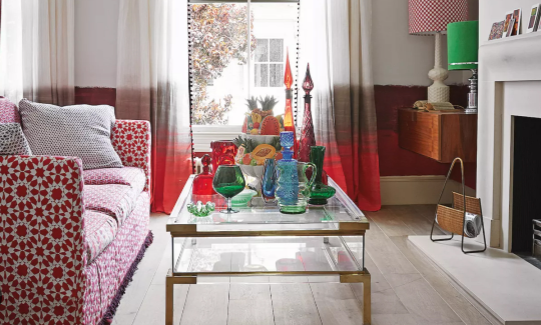
Color balance can make or break the ambiance of a small living room. Choosing the right colors not only influences the aesthetics but also affects how spacious and inviting the area feels. Here are practical tips to achieve a harmonious color scheme in limited spaces.
1. Understand the Color Wheel
One of the essential tools in color balancing is the color wheel. Colors are categorized as primary, secondary, and tertiary, and understanding these categories will help you pick colors that work well together. For a small living room, aim for a palette that includes a mix of soft hues and vibrant accents to maintain interest without overwhelming the space.
For instance, if you choose a soothing blue as your main color, consider incorporating accents of orange or yellow for contrast. Using neutral colors as a foundation allows the vibrant hues to pop without dominating the room. This balance will create a welcoming environment while also giving the illusion of a bigger space.
-
- Study the color wheel to understand complementary and analogous colors.
-
- Choose a dominant color for walls and large furniture.
-
- Add splashes of contrasting colors through accessories.
-
- Integrate neutral colors to stabilize your palette.
2. Lighten Up Your Palette
In small living rooms, lighter colors can create an open and airy feel. Whites, creams, or pale pastels reflect light and make walls appear farther away. This illusion can be particularly effective in cramped quarters, allowing the room to feel more spacious and inviting.
Additionally, you can use soft colors on your walls and larger pieces of furniture, while reserving darker shades for smaller items like cushions or throws. This technique helps maintain the lightness of the room while still allowing for depth through color variation. Balance is key; if your walls are light, be mindful of how darker elements are mixed in.
-
- Select light colors for walls and larger furniture.
-
- Reserve bold colors for smaller decor items.
-
- Incorporate reflective surfaces like mirrors to amplify light.
-
- Keep decor minimal to avoid a cluttered appearance.
3. Use Patterns Wisely
Patterns can add character and interest to a small living room, but they need to be used with care. A room full of competing patterns can feel chaotic and cramped; instead, select one or two key patterns and build around them. For instance, a geometric rug can serve as the focal point, with solid colors on furniture to anchor the design.
Moreover, when integrating patterns, keep your color palette consistent to facilitate harmony. You might choose a floral pattern for curtains and pair it with plain cushions that pull from the same color scheme. The repetition makes the space cohesive, while the patterns keep it visually appealing.
-
- Choose one or two key patterns to keep the design cohesive.
-
- Balance bold patterns with solid colors.
-
- Make sure all patterns are within your chosen color palette.
-
- Use patterns in smaller accessories to avoid overwhelming the space.
In conclusion, achieving color balance in a small living room requires a thoughtful approach to color selection, the use of light shades, and careful incorporation of patterns. By following these tips, you can create a harmonious and inviting environment that feels larger and more open. Don’t hesitate to reach out to a professional for personalized advice to elevate your space even further!