
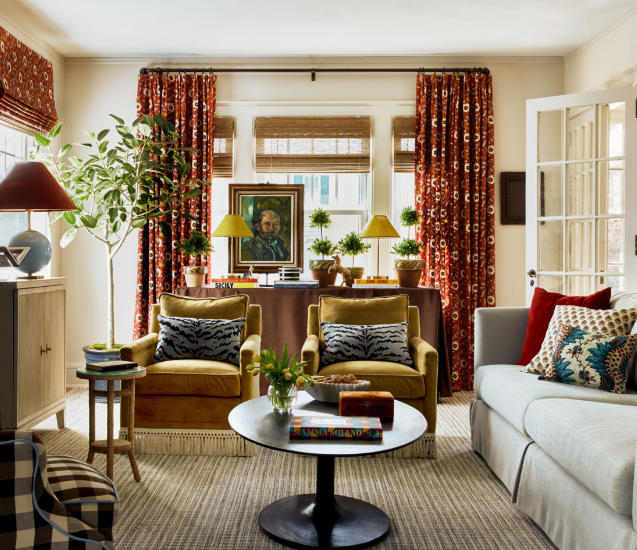
Colors have a powerful impact on the feel of a space, especially in small living rooms where every inch counts. Layering colors can create depth and warmth, making your room feel cozy and inviting. In this blog post, we will explore effective techniques for color layering that can transform your small living room into a harmonious space.
1. Start with a Neutral Base
Building a foundation with neutral colors is key to layering colors effectively. Neutrals such as whites, grays, and beiges provide a blank canvas, allowing other colors to pop. For example, opting for a soft gray on walls can create a sophisticated backdrop, making bolder colors stand out without overwhelming the space.
Once you’ve established a neutral base, consider adding variation through different textures. A smooth gray wall paired with a plush, cream-colored sofa can introduce interest. Remember, the goal is to use neutrals to create a restful space while allowing layered, colorful accents to shine.
-
- Choose a neutral paint color that complements natural light.
-
- Mix textures to add depth, such as soft fabrics with hard surfaces.
-
- Consider the size and shape of furniture in relation to your base color.
-
- Utilize white or light-colored trim to brighten up your base color.
2. Incorporate Accent Colors
Accent colors breathe life into your living space, providing contrast and vibrancy. These colors can come from furniture, decorative pillows, or artwork. For instance, if your base is a muted gray, a pop of mustard yellow or deep teal in throw pillows can invigorate the room, creating focal points that catch the eye.
When selecting accent colors, limit yourself to a few shades. Too many bold hues can make a small living room feel cluttered. Instead, choose two to three accent colors and distribute them evenly throughout the room for a cohesive look. This approach ensures balance while highlighting areas you wish to emphasize.
-
- Pick colors that complement one another for a harmonious look.
-
- Use accent colors in various decor items—think rugs, wall art, and throws.
-
- Maintain uniformity by repeating the accent colors in different parts of the room.
-
- Avoid overcrowding with too many accent colors; keep it simple.
3. Create Layers with Textiles
Layering textiles is an effective way to introduce color and texture simultaneously. In a small living room, a variety of fabrics can make the space feel more inviting and comfortable. A patterned area rug, paired with solid color curtains, and textured throws will add visual interest and warmth.
When layering textiles, consider the weight and type of fabric to ensure balance. For instance, lightweight, breezy fabrics can create a sense of airiness, while heavier materials can add warmth. Combining these effectively helps maintain a cozy atmosphere without making the space feel cramped.
-
- Select a variety of fabric types (smooth, textured, light, and heavy).
-
- Mix and match colors and patterns that complement each other.
-
- Utilize textiles functionally to define areas, like zoning with rugs.
-
- Don’t overshadow neutrals; instead, let them serve as a backdrop for your textiles.
4. Use Visual Tricks to Enhance Perception
In small spaces, perception is everything. Utilizing color can create an illusion of depth and space, which is essential in a compact living room. For example, painting one wall a darker shade can make the room feel cozier, while keeping other walls lighter can create a sense of openness. In addition, mirrors painted in vibrant colors can reflect light and colors, amplifying the overall aesthetic.
Another useful trick is to utilize vertical lines in your color choices. This could be achieved with striped wallpaper or vertical artwork. Such designs draw the eye upwards, making the ceiling seem higher and giving the illusion of more space.
-
- Experiment with different shades and finishes for visual effects.
-
- Incorporate mirrors strategically to reflect light and colors.
-
- Use vertical patterns to visually elongate the walls.
-
- Be mindful of how lighting interacts with your color choices throughout the day.
Color layering in a small living room can create a stunning and inviting atmosphere when executed thoughtfully. Experiment with different combinations to find what resonates with your style. Don’t hesitate to consult professionals or use design tools to visualize your concepts before making permanent changes. Happy decorating!