
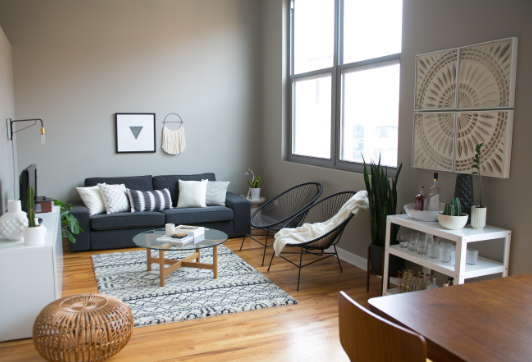
Creating a small living room that feels spacious and inviting can be a challenge, but using a gray color palette can be your best ally. Gray offers versatility, elegance, and a calming effect, making it a popular choice for compact spaces. Here, we will explore various gray color palettes and practical tips for designing a small living room that combines style and comfort.
1. Monochromatic Gray Schemes
A monochromatic gray scheme uses different shades of gray to create a cohesive look. This palette allows for a seamless flow throughout the room, making it appear larger than it is. Incorporating both light and dark grays can add depth and interest to your space. Try using a light gray for the walls and a darker hue for furniture or accent pieces.
To add dimension, consider layering textures such as a soft, gray throw on the couch or a plush rug on the floor. This combination not only maintains a unified color story but also brings warmth to the cool undertones of gray. Accessories like silver or chrome decor can complement the monochromatic theme beautifully.
-
- Choose two to three shades of gray for walls and major furniture.
-
- Incorporate different materials like velvet, linen, or metal.
-
- Use rugs and cushions to add soft textures.
-
- Consider adding a contrasting color, like blush or metallics, for accents.
-
- Keep window treatments light to allow natural light in.
2. Gray with Bold Accents
If you prefer a touch of color in your small living room, pairing gray with bold accent colors can energize the space. Vibrant colors like teal, mustard yellow, or ruby red can create a dynamic contrast against neutral gray tones. This approach allows you to showcase your personality without overwhelming the room.
Start by selecting one or two bright accent colors to incorporate through artwork, throw pillows, or an accent chair. For instance, a rich teal chair can stand out against a soft gray sofa, creating a focal point in the room. By keeping the main elements in gray, the room will maintain a sophisticated look while still being lively.
-
- Select one or two accent colors to highlight.
-
- Use pillows and throws to introduce vibrant hues.
-
- Choose art pieces that feature your accent colors.
-
- Incorporate bold furniture, like a painted coffee table.
-
- Balance bold colors with various shades of gray.
3. Light Gray and Natural Elements
Using light gray as your base can create a serene and airy atmosphere, especially in small spaces. When complemented by natural elements, this palette can evoke a feeling of peace and tranquility. Incorporating wood accents, like shelves or furniture, can add warmth and character to the coolness of gray.
For instance, pairing a light gray wall with a wooden coffee table or plants in earthy pots can enhance the inviting vibe of the living room. The combination of light gray with natural textures helps keep the space fresh and open, allowing for versatility in decor without feeling cluttered.
-
- Opt for light gray paint for walls to maximize brightness.
-
- Choose wooden furniture pieces to add warmth.
-
- Add indoor plants for a touch of greenery.
-
- Incorporate woven baskets for storage that blends in.
-
- Keep accessories minimal to avoid overcrowding the space.
4. Gray with Patterned Textiles
Patterned textiles can bring liveliness to a gray palette, making it a stylish option for your small living room. Whether through rugs, curtains, or throw pillows, incorporating patterns like chevron, floral, or geometric can infuse personality without overwhelming the serenity of gray. The key is to choose patterns that incorporate gray to maintain a cohesive look.
A patterned area rug can act as a grounding element in the room and can be matched with solid gray furniture. Moreover, using coordinating patterns on different textiles—like cushions and curtains—can create a well-thought-out design while keeping things visually interesting.
-
- Select textiles with a mix of gray and other colors you love.
-
- Incorporate bold patterns to add dynamism.
-
- Balance patterns with solid color pieces to avoid busyness.
-
- Experiment with different sizes of patterns for depth.
-
- Ensure that patterns complement each other harmoniously.
5. Dark Gray for a Cozy Vibe
Dark gray can often be perceived as too heavy for small spaces; however, it can actually create a cozy and intimate atmosphere when used wisely. When painting walls dark gray, it’s essential to balance it with adequate lighting and lighter furniture pieces to prevent the space from feeling closed in. Pairing dark gray with warm lighting can create a sophisticated and inviting ambiance.
For example, a dark gray wall accented with light gray or white furniture can make the room feel grounded while still being stylish. Utilize layered lighting through floor lamps and table lamps to brighten the space, ensuring the dark tones do not overpower the room.
-
- Use dark gray on one feature wall for a dramatic effect.
-
- Incorporate plenty of light through lamps and natural light.
-
- Choose lighter furniture to contrast the walls.
-
- Add warmth with gold or brass accessories.
-
- Keep decor minimal to maintain an open feel.
In conclusion, a gray color palette can transform your small living room into an inviting and stylish retreat. By selecting the right shades, textures, and accents, you can create a space that feels both spacious and cozy. Don’t hesitate to reach out to a professional designer or delve into home design resources to refine your ideas further!