
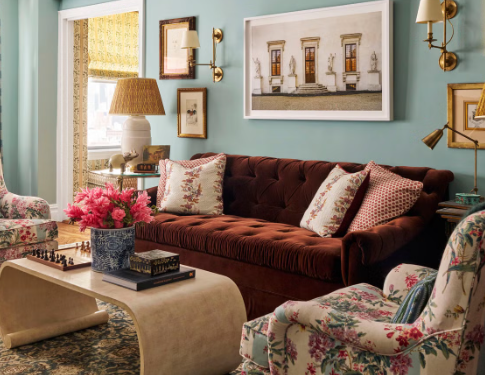
When dealing with the confines of a small living room, color becomes a powerful tool to create the illusion of space and vibrancy. High contrast color schemes not only add depth but can also enliven a space, making it feel more dynamic and inviting. Let’s explore how you can strategically use high contrast colors to transform your small living room into a stylish haven.
1. Choosing Your High Contrast Colors
The first step in utilizing a high contrast color scheme is to choose complementary colors that evoke a sense of balance. For example, pairing a crisp white with a deep navy can create a striking yet serene atmosphere. It’s also essential to consider the mood you want to convey; warm hues like mustard yellow or coral can energize the space, while cooler colors like teal or graphite can promote relaxation.
Furthermore, keep in mind the amount of natural light your living room receives. In spaces lacking abundant sunlight, high contrast colors can be a saving grace to prevent the area from feeling too dark or enclosed. For instance, if your walls are painted a light shade, incorporating dark furniture pieces or accent walls can effectively create depth and character within the room.
-
- Consider your room’s primary function (e.g., relaxing, entertaining) when choosing colors.
-
- Test color samples on the walls before making commitments.
-
- Keep in mind the existing furnishings and decor to maintain cohesion.
-
- Use color theory to explore combinations that evoke desired emotions.
2. Accentuating with Accessories
Accessories are a fantastic way to introduce high contrast without overwhelming the entire space. Items like throw pillows, rugs, and curtains can be used to create focal points and pull together various elements of the room. For example, a bold red throw on a muted gray sofa attracts attention while making the space feel more curated and stylish.
When selecting accessories, aim for items that have patterns or textures which complement but do not clash with your primary color scheme. A lovely patterned area rug that incorporates both your light and dark colors can help tie the room together beautifully. Additionally, using a mix of materials—such as glossy ceramic and matte textiles—can enhance the high contrast appeal.
-
- Choose a few statement accessories to maximize impact.
-
- Incorporate different textures for added interest.
-
- Opt for patterns that incorporate your main color scheme.
-
- Switch out seasonal accessories for a fresh look year-round.
3. Lighting’s Role in Colors
The importance of natural and artificial lighting cannot be overlooked when implementing a high contrast color scheme. Natural light can soften stark contrasts, making the space feel more inviting without diluting your color choices. On the other hand, various artificial light sources like table lamps, pendant lights, or wall sconces can create ambient lighting that enhances the vibrancy of your chosen colors.
When planning your lighting, consider layering your types of lighting. Combining overhead lights with softer lighting can create layers, making the room feel more open and versatile. Mood lighting can be especially effective in high contrast spaces, as it will highlight certain areas while still preserving the overall ambiance.
-
- Experiment with dimmers to control the intensity of light.
-
- Use warm light bulbs for a cozy atmosphere; cooler bulbs for a modern look.
-
- Incorporate mirrors to amplify natural light and contrast.
-
- Position lamps strategically to highlight your high contrast elements.
4. Painting Techniques for Depth
To truly elevate your living space, consider the incorporation of painting techniques that enhance your high contrast color scheme. Techniques such as color blocking can provide structure, dividing your walls into sections to introduce additional hues or shades. Painting the ceiling a darker shade than the walls can create an illusion of height, making your small living room feel larger.
An alternative option is the use of accent walls, which can allow you to dedicate a single wall to a bold color, thereby framing your living space dramatically. For instance, if your main color theme is light gray, a dark green accent wall can draw the eye and create a stunning visual contrast. This approach adds depth and intrigue while ensuring the room doesn’t feel overwhelmingly colored.
-
- Try creating a feature wall with a bold hue.
-
- Use painting tools for graphic patterns to add visual interest.
-
- Start small if you’re unsure, like painting a single corner.
-
- Combine paint with temporary wallpaper for less commitment.
Ultimately, combining high contrast colors in your small living room can lead to an engaging and personalized space. Experiment with different hues, and don’t hesitate to consult with a color expert or interior designer to realize your vision. Embrace your creativity and watch your small living room transform into a stylish, high-contrast showcase!