
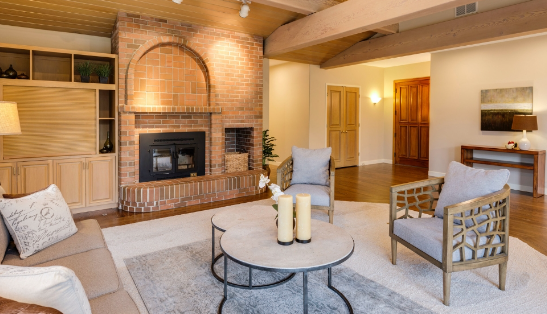
How Lighting Affects Warm Living Room Colors
Creating a warm and inviting living room is essential for comfort and relaxation in any home. One often overlooked aspect of interior design is the significant impact that lighting has on the perception of color. Understanding this relationship can help you make informed decisions about your living room palette and lighting choices, ensuring a cozy and harmonious atmosphere.
1. The Power of Natural Light
Natural light plays a crucial role in how colors appear in your living space. During different times of the day, the sun casts varying types of light, which can shift the perception of warm colors like reds, yellows, and oranges. In the morning, soft, golden sunlight can enhance these colors, making them feel more vibrant and alive. Conversely, as the day progresses and the sunlight becomes harsher or more subdued, these colors may look softer or muted. To make the most of natural lighting, consider using sheer curtains that can filter light without blocking it entirely, allowing those warm hues to shine through.
2. Choosing the Right Artificial Lighting
While natural light is essential, artificial lighting plays a significant role as well. The type of bulbs and light fixtures you choose can dramatically affect how warm colors are perceived. Warm white LED bulbs, for instance, cast a cozy glow that enriches the warmth of your palette, making shades of terracotta or deep gold feel inviting. On the other hand, cooler white bulbs can wash out these colors, making them appear less inviting. To create a layered lighting effect, consider using a combination of ambient, task, and accent lighting, which will allow you to set the mood based on your activities and time of day.
3. Color Temperature Considerations
Understanding color temperature is vital when selecting both wall colors and lighting options for your living room. Warm colors generally have a higher color temperature, often ranging from 2700K to 3000K for light bulbs. When choosing paint or decor in warm shades—like amber or peach—incorporating lighting with a similar color temperature can enhance the overall effect. In contrast, mixing cool lighting with warm wall colors can create an unsettling vibe, making the room feel disjointed. Always test paint samples under your chosen lighting to see how they interact, ensuring a cohesive, warm atmosphere.
In conclusion, the interplay between lighting and color in your living room is a vital aspect of creating a welcoming environment. By harnessing the power of natural and artificial light, selecting suitable color temperatures, and choosing the right bulbs, you can elevate the warmth and comfort of your space. So why not take a moment to reassess your lighting and colors? Small changes could lead to a more inviting living room that everyone will love!