
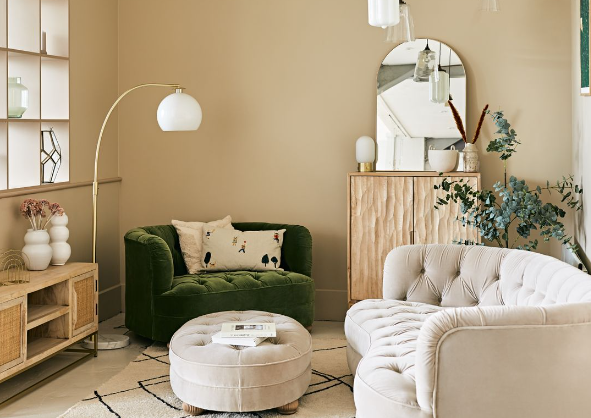
Having a small living room can sometimes feel restricting, but it doesn’t have to be! With the right color choices, you can create an illusion of a more expansive space. This blog post will explore how colors can affect perception and provide practical tips to make your little nook look bigger.
1. Stick with Lighter Shades
Opting for lighter shades such as soft whites, pastels, or light grays can do wonders for a small living room. These colors reflect light, making the room feel airy and open. For instance, a pale cream or light beige wall can create a warm atmosphere while maximizing light flow throughout the space.
In addition to wall colors, consider incorporating lighter hues in furniture and decor. A light sofa or a glass coffee table can contribute to a less cluttered and more open layout. With lighter colors, you can achieve a harmonious blend of style and spaciousness.
-
- Choose soft whites or pastels for walls.
-
- Incorporate light-colored furniture.
-
- Use sheer curtains to allow natural light in.
-
- Consider a light-colored area rug to unify the space.
-
- Avoid overly dark furniture to maintain an open feel.
2. Use Color to Define Spaces
Strategically using color can help define different areas within a small living room, giving the illusion of separation without walls. For example, painting one wall in a bold color can create a focal point that draws the eye, thus enhancing the perception of depth. Whether it’s a feature wall in navy blue to complement light furnishings or an accent wall in a soft green to mirror nature, defined areas can enhance the sense of spaciousness.
Moreover, using color to distinguish between different functions—like a reading nook or entertainment corner—can effectively create a layered look. Each area can be themed with its color palette that complements the overall scheme, making it easier for your eyes to traverse the space fluidly.
-
- Choose an accent wall to create depth.
-
- Use different shades to define areas for specific functions.
-
- Incorporate light to emphasize these color contrasts.
-
- Select decor that aligns but differentiates each space.
-
- Choose accessories in varying shades to create an inviting style.
3. Embrace Monochromatic Palettes
A monochromatic color scheme can be a game-changer for small living rooms. By sticking to varying shades of one color, you can create a cohesive and seamless look that prolongs the eye’s journey through the space. For example, using different shades of blue—ranging from soft sky blue to deep navy—can create a calming and spacious environment.
Incorporating texture along with this palette can also add depth without breaking the visual flow. You might achieve this by combining furniture made from different materials like a velvet sofa with a knitted throw. The key is to keep it simple while adding elements that foster interest without overwhelming the space.
-
- Stick to varying shades of one color.
-
- Add texture for depth without clutter.
-
- Use accessories for contrast in materials, not colors.
-
- Mind the flooring—choose soft, matching tones.
-
- Consider plants for a pop of natural color.
4. Integrate Mirrors and Reflective Surfaces
While not a color in the traditional sense, reflective surfaces can enhance your color scheme and amplify the illusion of space. Mirrors can reflect natural and artificial light, making the room feel brighter and bigger. When placed opposite windows or light sources, mirrors effectively double the light, contributing to an open atmosphere.
Additionally, incorporating glossy finishes in furniture or decor pieces can boost the reflection effect. Using a coffee table with a glass top or metallic accents can magnify light and colors throughout the room, creating a harmonious and spacious environment. This not only helps visually expand the space but also enhances its aesthetic appeal.
-
- Place a large mirror opposite a window.
-
- Consider smaller mirrors as part of your decor.
-
- Incorporate glass or polished surfaces in furniture.
-
- Use mirrors strategically to highlight defined spaces.
-
- Ensure reflective items match the room’s color scheme.
Transforming your small living room into a more expansive and inviting space is entirely achievable using color. Whether you stick to lighter shades, create defined spaces with color, embrace monochromatic palettes, or integrate mirrors, the possibilities are vast. Don’t hesitate to get creative and experiment with these tips—your living space can be beautiful and spacious! Start planning your color scheme today, and enjoy your reinvented living space!