
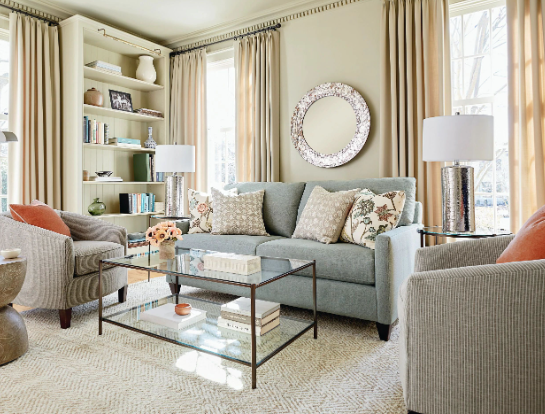
Choosing the right color palette for small living spaces can significantly impact how the area feels and functions. Light colors can create an illusion of more space, making your home feel roomy and airy. In this blog post, we’ll explore various light color palettes that can enhance your small living area.
1. Soft Whites and Creams
Soft whites and cream shades are versatile choices for small spaces. They reflect light beautifully, making the room appear larger and allowing natural light to bounce around. When combined with mirrors or glossy finishes, these colors amplify the effect, creating a serene and inviting atmosphere.
Incorporating these lighter shades can be done through walls, ceilings, or even furniture pieces. For example, a creamy sofa against white walls creates a seamless look, while white trim adds dimension without overwhelming the space. Accent pieces like cushions and throws in subtle textures can enhance the overall feel without detracting from the light, airy vibe.
-
- Use flat or satin finishes for walls to create a soft look.
-
- Add contrasting dark furniture to create depth.
-
- Incorporate light curtains to maximize natural light.
-
- Utilize rugs that match your color scheme to unify the space.
2. Pastel Hues
Pastel colors such as soft blues, pale pinks, and light greens provide a gentle pop of color without feeling overwhelming in small spaces. These hues can evoke feelings of tranquility and freshness. They work well for accent walls or decor items, introducing a playful yet calming environment.
When using pastel colors, consider pairing them with neutral furniture to maintain a clean and cohesive look. For instance, a soft blue accent wall can be complemented with white, minimalist furniture and soft gray textiles. This combination creates a balanced contrast, ensuring the room remains inviting and spacious.
-
- Choose one or two pastel shades to avoid cluttering the space.
-
- Mix and match pastel decor items for added visual interest.
-
- Balance strong pastels with neutral elements in the room.
-
- Use art pieces in coordinating pastel colors for a unified theme.
3. Light Greys and Beige Tones
Light greys and beige tones are excellent alternatives for those looking to create a sophisticated yet inviting atmosphere. These colors exude elegance while still providing a light reflection that enhances space. Pairing these shades with wooden elements can give a warm, organic feel to your small living area.
In terms of colors, opting for a light grey sofa complemented by beige walls can create a modern retreat. Use artwork or vibrant cushions in richer colors like navy or olive for added character. This combination can provide a contemporary aesthetic while ensuring the space remains appealing and spacious.
-
- Incorporate light wood or metallic accents for a modern touch.
-
- Choose accessories in contrasting colors for lively highlights.
-
- Experiment with finishes for depth; for example, choose a matte sofa and shiny cushions.
-
- Keep your color palette to three main shades to maintain cohesion.
4. Monochromatic Schemes
A monochromatic color scheme utilizes different shades and tints of a single color, creating a sophisticated, cohesive look without overwhelming the space. Light gray or pale blue can anchor the color scheme, with varying tones offering depth. This approach can simplify decorating, as you can mix different textures within the same color family.
For a charming effect, use lighter shades for larger elements like walls and floors, while accessorizing with darker tones in pillows, rugs, or art pieces. This creates a layered look that’s visually appealing, allowing your small space to feel more expansive and intentional without sacrificing style.
-
- Select three to five shades of your chosen color to use throughout.
-
- Incorporate various textures (like knit and plush) to create interest.
-
- Keep patterns simple and within the same color scheme for harmony.
-
- Utilize lighting to enhance the roof or a focal area in the room.
5. Accents with Bright Touches
While light colors are ideal for a small space, don’t shy away from integrating bright accents! A small pop of a vibrant color such as coral, lime green, or bright yellow can enliven a light palette without making the room feel cramped. Utilize these bursts of color on smaller items like throw pillows, artworks, or vases to keep the overall harmony intact.
Consider painting your door or an accent wall in a brighter hue. This approach can create a visual focal point while maintaining the lighter colors around it. Just be cautious not to let these bold elements overpower the light palette that keeps your space feeling open.
-
- Choose accents that complement the dominant light color palette.
-
- Limit the number of bright colors to avoid chaos.
-
- Use artwork that incorporates both light shades and your accent color.
-
- Regularly rotate accent items to update the style without major changes.
In conclusion, light color palettes can transform small living spaces into airy and pleasant environments. By carefully selecting and balancing your colors, you can create a home that feels spacious and welcoming. Consider consulting a professional interior designer or starting small with DIY updates and discover how these tips can enhance your living space today.