
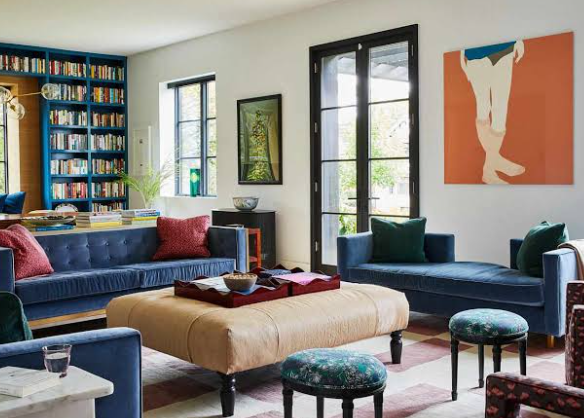
Choosing the right sofa color for a small living room can dramatically affect the space’s ambiance and openness. The right hue not only enhances your decor but also influences how spacious your room feels. Here are some insightful suggestions to help you narrow down your choices.
1. Light and Airy: Opting for Neutrals
Neutral colors, such as beige, cream, and light gray, are fantastic choices for small living rooms. These shades reflect light beautifully, making the space appear larger and more inviting. When you incorporate neutral tones, you set a versatile backdrop that complements various accent colors and decorations, ensuring that your living area remains dynamic and updated with minimal effort.
Additionally, neutral sofas tend to have a timeless quality, making them a sound investment. They fit well in both traditional and modern designs, allowing for cohesive styling even as trends change. You can easily accessorize with vibrant pillows or throws to introduce your personal style without overwhelming the room.
-
- Choose shades that reflect your natural light.
-
- Accessorize with colorful or patterned cushions for interest.
-
- Consider texture: a fabric like linen or cotton adds depth.
-
- Avoid dark neutrals that might overshadow your space.
2. Bold Colors: Making a Statement
For those willing to take a risk, bold colors like emerald green, royal blue, or deep burgundy can add personality to a small living room. These vivid hues can serve as a beautiful focal point, drawing the eye and creating an inviting atmosphere. The key to successfully incorporating bold colors is to balance them with lighter elements in the room, such as walls, curtains, or other furniture pieces.
Additionally, it’s essential to consider the overall design theme of your living space. A vibrant sofa can create energy and excitement in a contemporary or eclectic room, while still remaining chic. However, be cautious of using too many bold elements, which can overwhelm a small area and make it feel cramped.
-
- Balance bold colors with lighter accents for a harmonious look.
-
- Use artwork or knick-knacks to tie in your sofa’s color.
-
- Consider fabric patterns that include your bold color for a cohesive feel.
-
- Test the color with swatches in natural light before committing.
3. Pastel Shades: Soft and Serene Choices
Pastel colors like soft pink, mint green, and baby blue create a calm and soothing environment in small living rooms. These shades work to both enlarge the appearance of the space and provide a comforting ambiance. They can be particularly effective in homes designed for relaxation, like a beach retreat or a cozy reading corner.
Furthermore, pastel sofas can harmonize beautifully with various accent colors. Pairing pastel tones with natural materials—such as wood or plants—enhances the fresh feel and ensures the space feels inviting. However, since pastels can sometimes appear washed out, it’s important to incorporate contrasting elements to maintain interest and balance.
-
- Mix pastel shades with bold or dark accents for contrast.
-
- Use rugs or art pieces to create depth and diversity.
-
- Choose light fabrics that reflect a serene atmosphere, like cotton or velvet.
-
- Incorporate greenery to enliven and balance the soft colors.
4. Textured Fabrics and Patterns: Adding Dimension
Choosing a colored sofa with texture or pattern can bring an extra layer of depth to a small living room. Textured fabrics like velvet, boucle, or even a braided pattern can give the illusion of more space while adding visual interest. A patterned sofa can also seamlessly integrate various colors found within your decor, providing a cohesive look.
However, it’s essential to strike a balance with patterns. If you opt for a bold design, consider keeping the surrounding decor, such as walls and curtains, less busy. This contrast allows your sofa to shine and prevents the room from feeling cluttered. Geometric patterns or floral designs can give a modern twist to traditional decor while maintaining the spacious feel.
-
- Incorporate complementing textures in pillows and throws.
-
- Choose patterns that include a lighter background to avoid overwhelming the space.
-
- Mixing patterns can be effective; just stick to a common color palette.
-
- Test the fabric’s durability and ease of cleaning; stylish sofas should also be practical.
In conclusion, while the color of your sofa is an important decision for a small living room, it doesn’t have to be daunting. Consider your personal style and the overall theme of your space, and don’t hesitate to experiment with vibrant colors or textures. Once you’ve chosen what feels right, consult with an interior designer to perfect your vision or visit local showrooms to try out your options in person.