
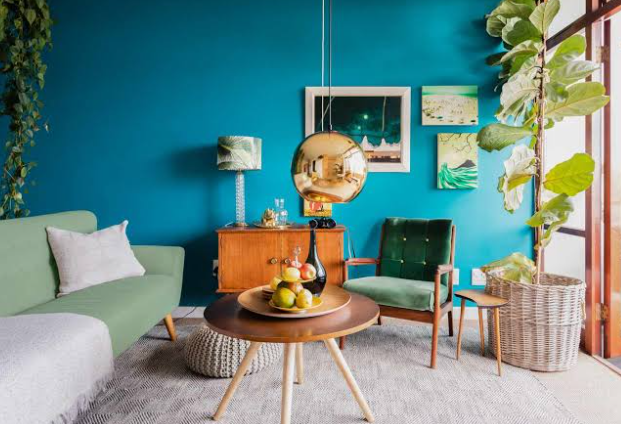
Creating a small living room that feels both spacious and stylish can be a challenge, especially when it comes to choosing the right color scheme. Timeless colors can provide a comforting backdrop while also making the space appear larger and more inviting. In this blog post, we’ll explore some classic color combinations that work brilliantly in small living rooms.
1. Soft Neutrals: The Perfect Base
Soft neutrals, such as creamy whites, gentle beiges, and light grays, serve as the ideal foundation for small living rooms. These colors reflect light beautifully, making the space feel airy and open. By choosing a neutral palette, you create a versatile background that allows you to easily incorporate different accent colors through furnishings and decor.
For a cohesive look, consider painting your walls in a soft neutral tone and using darker furniture pieces in shades of taupe or charcoal. This contrast will add depth without overwhelming the room. A neutral color scheme works well with various styles, from modern to traditional, ensuring your space remains timeless.
-
- Choose a single neutral color for walls and larger furniture.
-
- Mix different textures (e.g., matte, satin, and gloss) for visual interest.
-
- Accent with bold colors in accessories that can be changed seasonally.
-
- Opt for light-colored flooring to enhance the feeling of space.
2. Earthy Tones: Inviting Warmth
Earthy tones, including terracotta, olive green, and deep browns, can provide a warm and inviting atmosphere in a small living room. These colors emulate natural elements, bringing the outdoors in and creating a cozy ambiance. Moreover, they pair beautifully with plants, artworks, and natural textiles, enriching the overall aesthetic of your space.
To effectively incorporate earthy tones, consider painting an accent wall in a rich shade, while keeping the other walls neutral. This approach allows the accent color to draw attention without making the room feel claustrophobic. Accessories like cushions, rugs, and curtains in complementary earthy colors can further enhance this theme.
-
- Use rich, dark colors on a single wall for a dynamic focal point.
-
- Incorporate natural materials like wood and stone for a grounded feel.
-
- Balance dark hues with lighter shades in furniture and decor.
-
- Use plants to add a splash of color and vitality to the earthy palette.
3. Subtle Blues and Greens: A Calming Retreat
Subtle blues and greens evoke a sense of peace and tranquility, making them perfect for small living rooms. Light blue or sage green walls can mimic the open sky or lush nature, promoting relaxation. These colors are particularly effective when you’re looking to create a serene atmosphere, ideal for unwinding after a long day.
To maximize the impact of these colors, opt for an all-over scheme where furnishings and fabric choices align with the wall color. Pair softer shades of blue with white trim for a coastal vibe, or mix muted greens with darker accents for a more sophisticated aesthetic. Soft, airy fabrics in complementary shades can complete the look, adding comfort without making the space feel heavy.
-
- Select pastel blues or greens for a calming effect.
-
- Include light, airy curtains to let natural light filter through.
-
- Introduce metallic accents like silver or brass for a touch of elegance.
-
- Layer rugs in similar color families to create warmth and comfort.
4. Monochromatic Schemes: Simplistic Sophistication
Monochromatic color schemes feature various shades of a single color, providing a streamlined and sophisticated look. A monochromatic approach is especially useful in small spaces, as it creates a cohesive feel and can visually expand the area. Whether it’s varying shades of beige, blue, or gray, this technique is powerful when executed thoughtfully.
A well-planned monochromatic palette allows you to experiment with textures and patterns to maintain visual interest. Combine smooth fabrics, rough textures, and patterned elements within the same color family to add depth. You can opt for a base color and play with lighter and darker shades to bring balance and dimension to the space.
-
- Choose a base color and vary its shades and tones throughout your decor.
-
- Incorporate different textures to prevent the look from becoming too flat.
-
- Use patterned accessories like pillows or throws for added interest.
-
- Consider flooring and furniture in different shades of the same color.
As you consider your options for decorating your small living room, remember that timeless color schemes can significantly influence the ambiance and functionality of the space. Selecting colors that resonate with you while keeping in mind these practical guidelines will help you create a room that feels larger, brighter, and full of personality. Take your time to explore these options, and don’t hesitate to consult a professional for personalized advice to further enhance your design journey.