
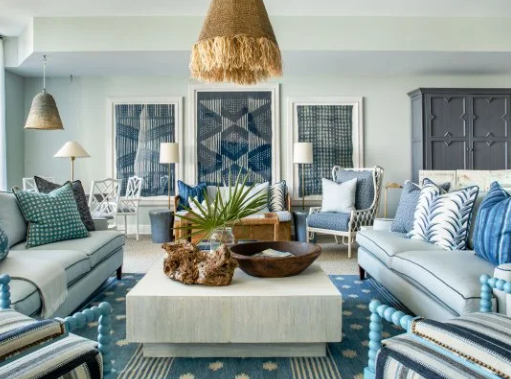
In the fast-paced world of city living, small spaces often demand a thoughtful approach to decor. One of the most essential aspects of creating an inviting atmosphere in a compact living room is the color palette. Urban environments provide unique inspiration for color schemes that can breathe life into tiny spaces.
1. Embrace Neutral Tones for a Timeless Appeal
Neutral colors serve as a versatile foundation in small living rooms. Shades of beige, gray, and off-white can create a sense of openness and tranquility, making a small space feel larger than it is. For urban dwellers, a neutral backdrop allows for fun, colorful accessories or artwork that can easily be swapped out as trends change.
Add depth to your neutral palette by incorporating various textures. Think about mixing smooth and soft fabrics, like a plush couch paired with a sleek coffee table. This adds visual interest and enhances the overall design without overwhelming the senses.
-
- Choose a primary neutral color for walls, such as soft gray or warm white.
-
- Incorporate various textures through cushions, rugs, and curtains.
-
- Consider using monochromatic tones for a cohesive look.
-
- Allow some colorful accents—like pillows or artwork—to shine against the neutral backdrop.
2. Play with Bold Accents to Create Focal Points
While neutrals are comforting, urban spaces can also benefit from striking colors that add personality and flair. A bold accent wall or colorful furniture pieces can serve as a focal point in a small living room. Deep blues, forest greens, or vibrant yellows can invigorate your space and express your individual style.
To effectively incorporate bold colors, consider the function of your living room. If it’s primarily a relaxation space, choose calming hues that can soothe the mind. For social areas, vibrant colors can energize guests and enhance the atmosphere. Remember, balance is key—keep the rest of the room more subdued to let those bold elements shine.
-
- Select one or two bold colors to incorporate into your living room.
-
- Use bold accents, such as a bright armchair or artwork, rather than painting all the walls.
-
- Think about the mood you want to create and choose colors accordingly.
-
- Combine bold colors with neutral furniture to maintain balance.
3. Use Color to Define Spaces and Zones
In small living rooms, it’s common to have multipurpose areas. Different color palettes can help demarcate these zones efficiently. For example, you can use a softer palette for a cozy reading nook and brighter hues in the area designated for socializing. This technique will give the illusion of separate spaces and improve overall functionality.
Additionally, consider the layout of your furniture and how color can enhance it. By using contrasting colors for various sections, you can create a flow that allows for easy movement while keeping the space visually interesting. This is particularly effective in open-concept living areas typical of urban environments.
-
- Choose different color schemes for distinct areas within the living room.
-
- Use rugs to define zones; opt for various colors that complement one another.
-
- Incorporate shelves or plants to physically separate areas while using color to unify.
-
- Choose paint or wall decals to create sections in a playful yet organized way.
4. Consider Seasonal Changes and Colors
Urban living often presents varying moods and atmospheres, influenced by the changing seasons. Colors that resonate with nature, such as earthy tones in the fall or cool blues in the winter, can be used to refresh your small living room as the year progresses. This adaptability allows you to maintain a harmonious environment that reflects external changes.
To keep things interesting, consider introducing seasonal decor to accompany these color changes. Simple swaps, like changing pillow covers or adding seasonal artwork, can make a significant difference. This approach not only enhances your living space but also offers an enjoyable way to keep your home feeling fresh and vibrant.
-
- Rotate your decor and color accessories with the seasons.
-
- Choose colors that complement seasonal changes, like soft pastels in spring.
-
- Be mindful of the impact that natural light can have on color perception throughout the year.
-
- Use plants or flowers to introduce seasonal color and vitality to the room.
Choosing the right color palette for your small living room can transform it into an urban oasis. By embracing neutrals, incorporating bold accents, defining spaces with color, and considering seasonal variations, you can create a vibrant, functional space. Take the time to experiment with different palettes and decor—your small living room has the potential to become a true reflection of your personality and style.