
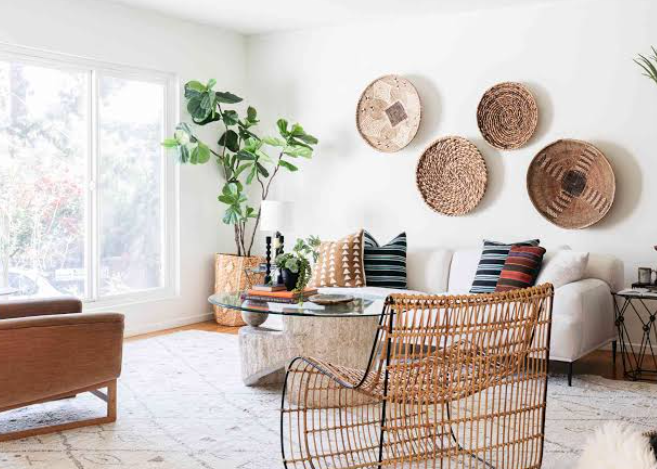
Small living rooms can be challenging when it comes to decorating and creating an inviting space. However, with the right color techniques, it’s possible to visually expand your living area and make it feel more spacious. This blog post shares practical color strategies to help you transform your small living room into a vibrant and open retreat.
1. Light Colors for an Airy Feel
Using light colors is one of the most effective ways to make a small living room feel larger. Shades like off-white, pale gray, and soft pastels reflect more light, which can create an illusion of expanded space. For example, choosing a light-colored paint for your walls can enhance natural light, making the room feel brighter and more open.
Incorporating lighter hues not only visually enlarges your living space but also creates a calming atmosphere. Using furniture in similar light shades can enhance this effect, allowing for continuity that merges the elements of your room together. Consider lighter upholstery or light wood finishes for your furniture to maintain this fluidity in design.
-
- Select paint colors like soft whites or pale blues.
-
- Choose light fabrics for upholstery and curtains.
-
- Avoid using dark furniture that overwhelms the room.
-
- Layer light colors with one or two accent colors for visual interest.
-
- Test paint swatches in natural light to ensure the best effect.
2. Accent Walls for Depth
An accent wall can add depth and interest to a small living room while still employing light colors to keep the space feeling open. By creating a focal point with a bolder color or a fun pattern, you can draw the eye toward that wall and divert attention from the room’s smaller dimensions. For instance, a textured wallpaper or a deeper shade like navy or forest green can serve as an impressive backdrop for your furniture and decor.
When designing your accent wall, ensure it complements the rest of your room’s color palette. For example, if your living room features a neutral color scheme, using a vibrant color for an accent wall can add a striking touch. This can be further emphasized by placing light-colored shelves or art against the bold wall to create contrast and balance.
-
- Choose one wall to serve as your accent wall.
-
- Ensure the accent color complements existing colors in the room.
-
- Incorporate art or shelving to break up the bold color.
-
- Experiment with patterns like stripes or geometric shapes for added interest.
-
- Consider paint finishes that reflect light, such as satin or eggshell.
3. Use of Mirrors to Reflect Light
Incorporating mirrors into your small living room can enhance the visual expansion effect created by your color choices. Mirrors reflect light and create the illusion of depth, making the space seem larger than it is. Strategically placing large mirrors across from windows or next to light sources can amplify natural light throughout the room.
Beyond their practical use, mirrors can also serve as decorative elements. Choose uniquely framed mirrors that match your overall decor style—whether it’s modern, rustic, or eclectic. Grouping smaller mirrors can also create an eye-catching display that enhances the room’s ambiance while opening up the space visually.
-
- Use large mirrors rather than multiple small ones for a bigger impact.
-
- Position mirrors to reflect light sources, such as windows or lamps.
-
- Experiment with various frame styles for an artistic touch.
-
- Consider mirrored furniture or decor elements for added light reflection.
-
- Avoid cluttering with mirrors; one or two focal pieces are more effective.
By applying these visual expansion color techniques to your small living room, you can create a space that feels inviting and open. Remember, light colors, strategically placed accents, and the thoughtful use of mirrors can significantly enhance the overall ambiance. Don’t hesitate to consult with a professional designer if you’re looking for more tailored suggestions to make the most of your space!