
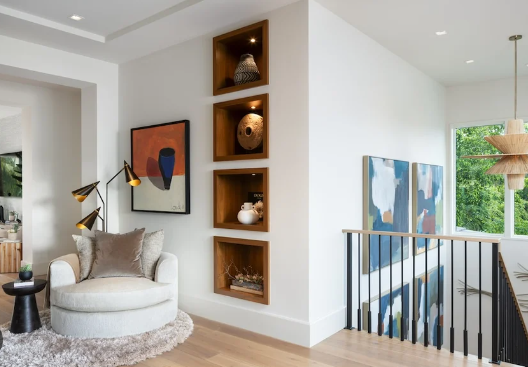
Coordinating wall and furniture colors in small spaces can be a challenging yet rewarding endeavor. The right palette can create an illusion of spaciousness and harmony, significantly enhancing the room’s overall aesthetic. This guide will explore practical tips and strategies to achieve effective color coordination.
1. Understanding Color Theory
To effectively coordinate colors in your small space, it’s essential to grasp the basics of color theory. Colors can be categorized into three primary types: primary, secondary, and tertiary. Understanding these concepts helps in selecting colors that not only complement each other but also evoke the right emotions—for instance, soft colors can create a calming atmosphere, while bright hues stimulate energy. Consider using a color wheel to visualize relationships between colors and find complementary options.
The color temperature is another vital aspect. Warm colors like reds and yellows tend to make a space feel cozy but can also make it appear smaller if overused. Conversely, cool colors like blues and greens can offer a sense of spaciousness and calm. Aim for a balanced scheme by combining warm and cool tones in moderation; for example, a cool blue wall with warm wooden furniture can create an inviting contrast.
-
- Familiarize yourself with the color wheel.
-
- Experiment with warm and cool colors for balance.
-
- Consider the emotional impact of color.
-
- Create a harmonious flow between colors.
2. Choosing the Right Shades for Walls
When selecting wall colors for small rooms, opt for lighter shades to maximize the feeling of space. Light neutrals such as soft whites, creams, or light grays reflect natural light, making the room feel airy and open. If you prefer darker hues, paint one wall a bold color to create a focal point, but be cautious not to overwhelm the space. Accent walls can creatively add depth without making the room feel cramped.
Texture and finishes also play a critical role in how color appears. Matte finishes absorb light, while glossy finishes reflect it, which can enhance the feeling of space. Applying a satin or eggshell finish to walls will give a subtle sheen and help in bouncing light around the room, contributing to an open atmosphere. Remember to test paint samples on your walls; lighting conditions can drastically affect color perception.
-
- Choose light shades for a spacious feel.
-
- Consider a bold accent wall for depth.
-
- Use finishes that enhance light reflection.
-
- Test paint samples in different lighting.
3. Coordinating Furniture Colors
Selecting furniture colors that complement your wall paint is crucial in creating a cohesive look. If your walls are a light neutral, consider choosing a slightly darker or more vibrant shade for your furniture. This contrast can create visual interest and help elements within the room stand out without clashing. For instance, a pale gray wall paired with rich navy or deep green upholstery can create a sophisticated yet cozy environment.
In small spaces, consider the scale and color of your furniture pieces. Opting for smaller items in light colors can prevent the room from feeling crowded. Multi-functional furniture in neutral tones, such as a light-colored ottoman that doubles as storage, can enhance the minimalist appeal while maintaining functionality. Additionally, incorporating transparent materials, like glass or acrylic furniture, can help maintain an open feel while adding style.
-
- Choose furniture colors that contrast with wall shades.
-
- Opt for small-scale pieces to save space.
-
- Incorporate multi-functional furniture.
-
- Use transparent materials for a lighter appearance.
4. Emphasizing Accessories and Textiles
Once you have established your wall and furniture colors, don’t forget the impact of accessories and textiles. Rugs, curtains, and cushions can serve as excellent opportunities to introduce patterns and colors that tie your palette together. If the walls and furniture are neutral, consider adding splashes of color through these elements. For example, vibrant throw pillows can energize a neutral sofa and add personality to the room.
Textiles can also play a role in creating contrast. A textured rug can break up monotony when placed on a solid-colored floor, and drapes in a darker color than the walls can draw the eye upward, enhancing the feeling of height in the space. Just remember to keep the patterns and colors coordinated; mixing too many bold patterns can feel chaotic in a small room.
-
- Add vibrant pillows or throws to enliven your space.
-
- Use textiles to introduce patterns and textures.
-
- Keep color-based accessories coordinated with your main palette.
-
- Consider dark curtains to enhance perceived height.
In conclusion, achieving effective wall and furniture color coordination in small spaces involves understanding color theory, choosing the right shades, and creatively utilizing accessories. By following these strategies, you can transform your compact area into a beautiful, cohesive space that feels both stylish and expansive. Don’t hesitate to experiment before making final decisions, and if needed, consider consulting an interior designer for personalized advice!