
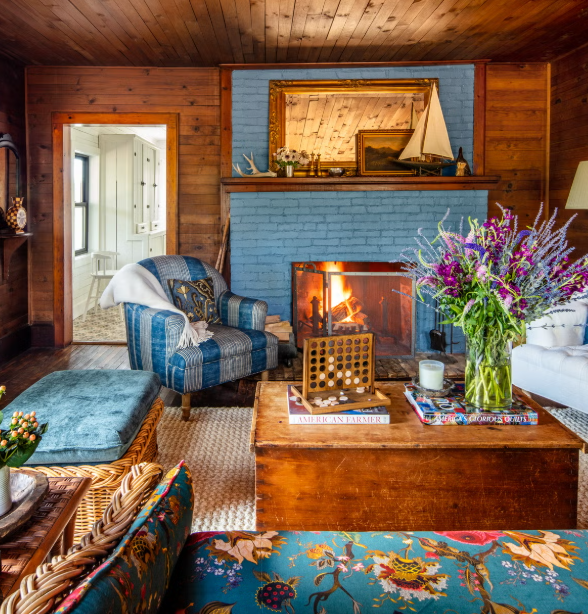
When temperatures drop, the living room often becomes the most important gathering space in the home. It is where people relax after a long day, read, watch movies, entertain guests, or simply enjoy a quiet evening indoors. Creating a warm and inviting atmosphere can make cold weather feel much more comfortable.
The best Cozy Living Room Ideas for Cold Weather focus on softness, warmth, texture, practical lighting, and thoughtful furniture placement. You do not need to completely redesign the room. Small seasonal changes such as adding blankets, changing cushion covers, introducing warmer colors, and improving lighting can make a noticeable difference.
Layer Soft Throws and Blankets
Blankets are one of the simplest ways to make a living room feel more comfortable during cold weather.
Drape a knitted throw over the sofa, place a wool blanket across an armchair, or keep folded blankets in a nearby basket.
Different materials can create visual depth. Consider mixing wool, fleece, cotton, boucle, or faux fur.
Neutral colors such as cream, beige, gray, and brown work well with most interiors, while deeper shades like burgundy, forest green, navy, or rust can add a stronger seasonal feeling.
Keep blankets within easy reach so they remain functional rather than purely decorative.
Add Textured Throw Pillows
Throw pillows can quickly change the appearance of a living room.
For colder months, choose fabrics that feel heavier and more tactile.
Velvet, corduroy, wool, boucle, and chunky woven materials can add warmth without requiring major changes to the furniture.
Mixing different textures often works better than using many different patterns.
For example, a neutral sofa might be paired with a velvet pillow, a knitted cushion, and a simple patterned pillow.
Keeping the colors coordinated helps the arrangement feel intentional.
Use a Large Area Rug
A rug can make a major difference in a cold living room, especially if the space has wood, tile, or stone flooring.
A large rug creates softness underfoot and visually connects the seating area.
Choose a rug that is large enough to extend beneath at least the front legs of the sofa and chairs.
Wool, woven, and low-pile rugs are practical options for everyday use.
If you already have a rug, layering a smaller textured rug on top can add additional warmth and visual interest.
Create Layered Lighting
Lighting has a strong influence on how cozy a room feels.
Instead of relying on one bright ceiling fixture, use several smaller light sources.
Floor lamps, table lamps, wall sconces, and reading lights can create a softer atmosphere.
Place lamps near seating areas, bookshelves, and corners that might otherwise feel dark.
Warm-toned bulbs are usually better suited to a comfortable living room than very cool white lighting.
Candles can also create a more intimate feeling, although they should always be placed safely away from fabrics and high-traffic areas.
Make the Fireplace a Focal Point
If your living room has a fireplace, cold weather is the perfect time to organize the room around it.
Position sofas or chairs so that the fireplace becomes part of the main seating arrangement.
Keep the mantel relatively simple.
A few framed pictures, candles, ceramic objects, or seasonal greenery can provide enough decoration.
If you use a wood-burning fireplace, neatly stored firewood can also become part of the room’s overall appearance.
Even a nonworking fireplace can still function as an architectural focal point.
Bring in Warm Wood Tones
Wood adds natural warmth to a living room.
Coffee tables, side tables, shelving, picture frames, and decorative bowls can all introduce wood tones.
You do not need every piece to match.
A combination of light, medium, and darker woods can create a more relaxed and collected look.
Wood works particularly well with other cozy materials such as wool, linen, leather, stone, and woven fibers.
Add Deeper Seasonal Colors
Cold weather is a good opportunity to introduce richer colors.
Consider shades such as:
- Forest green
- Deep navy
- Burgundy
- Chocolate brown
- Rust
- Charcoal
- Warm taupe
These colors can be used through pillows, blankets, artwork, rugs, or decorative accessories.
You do not need to repaint the entire room.
Small changes can create enough contrast to make the space feel more suitable for winter.
If your room already contains darker furniture, balance it with cream, beige, or warm white textiles.
Create a Comfortable Reading Corner
A reading corner can make a living room feel more inviting during colder months.
Choose a comfortable chair and place it near a floor lamp or window.
Add a small side table for books, tea, or coffee.
A cushion and soft throw can make the chair even more comfortable.
If space is limited, a reading corner can fit into an unused area beside a bookshelf or near the end of the sofa.
This creates a dedicated place for quiet evenings without requiring much floor space.
Use Heavier Curtains
Window treatments can influence both the appearance and comfort of a living room.
During colder weather, heavier curtains can make the room feel more substantial.
Consider lined cotton, velvet, linen blends, or other thicker fabrics.
Floor-length curtains can also make the room look taller and more finished.
Choose colors that coordinate with your existing furniture rather than introducing an unrelated palette.
During daylight hours, open the curtains to allow as much natural light as possible into the room.
Bring in Natural Greenery
Greenery can prevent a winter living room from feeling too dark or heavy.
Simple branches, evergreen foliage, eucalyptus, or indoor plants can add freshness.
Place greenery in ceramic, glass, or stone containers for a natural look.
A few plants are usually enough.
Too many decorative arrangements can make the room feel crowded, especially if you are already adding extra winter textiles.
Add Woven Baskets for Storage
Cold-weather living rooms often contain more blankets, pillows, books, and seasonal accessories.
Woven baskets provide practical storage while also adding texture.
Use a large basket beside the sofa for extra blankets.
Smaller baskets can hold magazines, remote controls, or children’s toys.
Materials such as rattan, seagrass, or woven fabric work especially well in relaxed interiors.
Functional storage helps maintain a cozy atmosphere without allowing the space to become cluttered.
Rearrange Furniture for Conversation
Furniture placement can make a room feel warmer even without adding new decor.
Instead of placing all furniture against the walls, bring seating slightly closer together.
Arrange sofas and chairs around a coffee table, fireplace, or central rug.
This creates a more intimate conversation area.
Make sure there is still enough room for comfortable movement between pieces.
A living room should feel enclosed enough to be relaxing without becoming cramped.
Add a Soft Ottoman or Pouf
An ottoman or pouf can make the seating area more comfortable.
It can be used as a footrest, extra seat, or occasional surface.
Choose one upholstered in fabric, leather, or a knitted material.
In a small room, an ottoman with hidden storage can serve several purposes at once.
This type of multifunctional furniture is particularly useful when you want to make a space feel more comfortable without filling it with extra pieces.
Style the Coffee Table Simply
A coffee table does not need elaborate seasonal decoration.
A few carefully chosen objects can create a cozy appearance while keeping the surface practical.
Try using:
- A small stack of books
- A ceramic bowl
- A tray
- Candles
- A vase with branches
- A small decorative object
Keep arrangements low enough that they do not block conversation across the seating area.
Leaving some empty space makes the table easier to use.
Add Books to the Room
Books naturally contribute to a comfortable and lived-in atmosphere.
A small bookcase, built-in shelves, or a stack of books on a side table can make the room feel more personal.
During colder weather, keep a few current reads near your favorite chair.
You can also arrange books together with simple decorative objects.
Avoid overcrowding shelves. Some open space helps the display feel more balanced.
Introduce Seasonal Artwork
Artwork can subtly change the mood of a room.
For cold weather, consider landscapes, abstract pieces in deeper colors, botanical prints, or black-and-white photography.
You do not need to replace every picture.
Changing one larger piece or several smaller framed prints may be enough.
Choose artwork that complements the existing room rather than using overly literal winter imagery if you want the decor to remain suitable beyond the season.
Keep the Room Uncluttered
A cozy room should feel layered, but not crowded.
It is easy to add too many pillows, blankets, candles, and decorative objects when trying to create warmth.
Balance is important.
Clear unnecessary items from tables and walkways.
Use baskets, cabinets, or shelving to organize everyday objects.
A smaller number of well-chosen textures and accessories often creates a more comfortable result than filling every available surface.
Use Natural Materials
Natural materials are especially effective when creating a cozy living room.
Consider combining:
- Wood
- Wool
- Linen
- Cotton
- Leather
- Stone
- Ceramic
- Woven fibers
These materials introduce different textures without relying on elaborate decoration.
A wooden coffee table, wool rug, linen sofa, and ceramic vase can work together naturally.
This approach also suits a wide range of styles, including farmhouse, Scandinavian, rustic, traditional, and modern interiors.
Create a Living Room That Feels Warm All Winter
The most effective Cozy Living Room Ideas for Cold Weather focus on comfort rather than complicated decorating.
Soft blankets, textured cushions, large rugs, warm lighting, natural materials, deeper colors, and comfortable furniture arrangements can transform the atmosphere of a room with relatively little effort.
Start with practical changes that improve how the room feels and functions. Then add seasonal details gradually.
A cozy living room should still feel spacious, organized, and easy to use. With thoughtful layering and a few warm materials, your main living space can become a comfortable retreat throughout the coldest part of the year.