
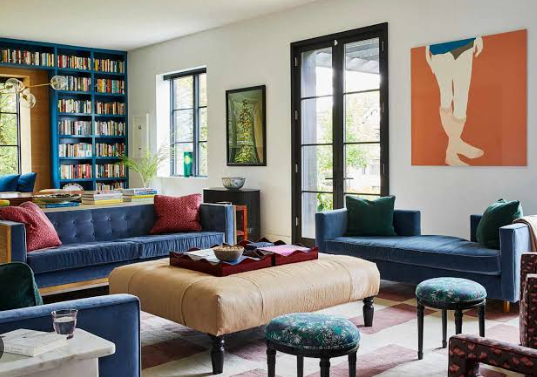
Creating a small living room that feels both vibrant and cozy can be a challenge, especially when it comes to choosing the right color palette. Colors can significantly influence the space’s overall ambiance and make it feel either cluttered or open. Here’s a guide to some cool color palettes tailored for small living rooms.
1. Soft Pastels
Soft pastels like mint green, blush pink, and light lavender can create a calming environment that feels deceptively spacious. These subtle hues reflect light beautifully, which can help a small room appear larger and airier. You can effectively use these colors on walls, furniture, and accents to maintain a cohesive look throughout the room.
When designing with pastels, pairing them with white or light wood can elevate the overall aesthetic. Consider using a pastel palette on a feature wall, and go for neutral or lighter furnishings to keep the balance. A pastel sofa complemented by pastel cushions can create a serene seating area that invites relaxation.
-
- Choose one or two pastel colors to dominate the palette.
-
- Incorporate shades of white to maintain brightness.
-
- Use pastel accessories like art, rugs, and throws.
-
- Mix textures (e.g., smooth finishes with cozy fabrics) for interest.
2. Cool Blues and Greens
Blues and greens evoke a sense of tranquility and can visually expand small living spaces. A palette incorporating navy blue with soft teal or sage green creates depth while remaining refreshing. You might opt for blue walls with green furnishings or artwork that ties the two colors together, establishing a harmonious flow.
Incorporating natural elements such as plants can enhance the blue and green palette. A few indoor plants can add a burst of life to your living room while complementing the cool tones. Accessories like cushions or curtains in varying shades of these colors can break the monotony, bringing character and charm to the space.
-
- Experiment with varying shades of blue and green for contrast.
-
- Use plants to add natural elements and enhance color depth.
-
- Opt for light-colored furniture to prevent overcrowding.
-
- Incorporate art pieces that feature these colors for cohesion.
3. Earthy Neutrals with a Twist
Earthy neutrals like taupe, beige, and soft browns create a warm, inviting atmosphere in small living rooms. By introducing a twist, such as an accent wall in a deeper shade or introducing patterns in textiles, you can add intrigue without overwhelming the space. Accent pieces in olive green or burnt orange can also highlight the earthy palette while providing visual interest.
To achieve a balanced look, focus on layering textures alongside the neutral colors. Incorporate natural materials like wood, stone, or woven fabrics to create depth. This combination helps to produce a cozy, lived-in feel that doesn’t go overboard on color. A neutral sofa can be accented with colorful cushions or an area rug to pull everything together.
-
- Layer neutrals with various textures for balance.
-
- Add an accent color that fits the earthy palette.
-
- Incorporate natural materials for warmth.
-
- Keep decor minimal to avoid overwhelming the space.
4. Monochromatic Magic
An entirely monochromatic color scheme can lend a sophisticated edge to small living rooms. Shades of grey or a single color can help create a seamless flow, visually extending the boundaries of the room. You can play with different tones and shades within the same hue to add dimension and prevent a flat appearance.
To make a monochromatic palette more dynamic, integrate various textures and patterns. For example, a light grey velvet sofa paired with darker grey cushions and a patterned rug can create visual interest without straying from the color scheme. Accent pieces in metallic or glass can also add a touch of elegance to the room.
-
- Choose one color and explore its variations.
-
- Mix different textures to add depth.
-
- Use patterns strategically to maintain interest.
-
- Add reflective surfaces for sophistication.
5. Vibrant Pops of Color
If you adore vibrant colors but have a small living space, consider using them sparingly. A base palette of soft neutrals or pastels paired with bold, vibrant hues in accessories can create an energetic atmosphere without overwhelming the senses. Think bright cushions, statement artwork, or a colorful area rug that can serve as a focal point.
Small spaces can handle a splash of bold color, especially in the form of artwork or striking accent furniture pieces. The key is balance; the vibrant tones should enhance the room without taking center stage. Use neutral colors on larger items, like walls and sofas, while allowing your personal style to shine through with lively accent pieces.
-
- Begin with a neutral or soft base palette.
-
- Add pops of vibrant color in accents and decor.
-
- Consider rotating colors seasonally for freshness.
-
- Ensure vibrant colors are well-distributed throughout the room.
Choosing the right color palette can transform your small living room into a space that feels larger and more inviting. Whether you prefer soft pastels, cool blues and greens, earthy neutrals, monochromatic schemes, or vibrant pops of color, there’s something for everyone. Don’t hesitate to experiment and find out what makes your space uniquely yours!