
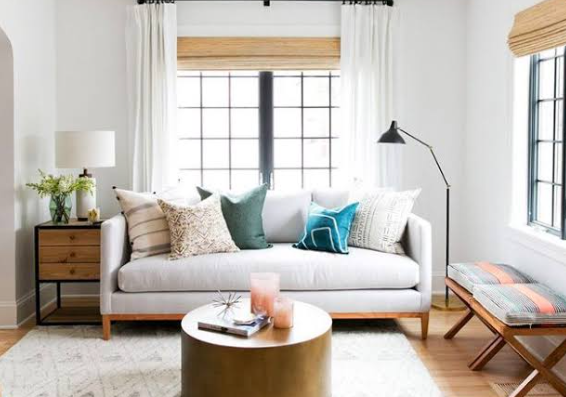
Creating a minimalist color scheme for a small living room can elevate the space while making it feel larger and more serene. By choosing the right hues, you can foster a cozy atmosphere that reflects your personal style without overwhelming the senses. Here are some minimalist color ideas to consider for your small living area.
1. Neutral Tones: The Foundation of Minimalism
Neutral colors serve as a perfect backdrop in small living rooms, allowing furniture and decor to make a subtle statement. Shades like beige, taupe, and soft gray can create a calming environment, making the space feel expansive. For instance, painting the walls in a soft cream can create a warm, inviting area that promotes relaxation.
To enhance this aesthetic, consider using lighter shades for larger areas such as the walls and furniture, while incorporating darker shades through accessories like cushions or throws. This technique adds dimension to the space without it becoming cluttered. Remember, the goal is to maintain harmony and flow in your small room.
-
- Choose a base neutral color for walls.
-
- Incorporate various textures to create depth.
-
- Opt for furniture in complementary neutral tones.
-
- Use darker accents sparingly to avoid overwhelming the space.
-
- Select décor items in various finishes (matte, shiny) for interest.
2. Soft Pastels: Adding a Touch of Color
If you’re looking to infuse your small living room with a bit of personality, soft pastel colors can do the trick. Shades like mint green, baby blue, and soft pink provide a subtle pop without being overpowering. These colors evoke feelings of calm and tranquility, making them ideal for relaxed setting.
Incorporating pastels in your décor can bring life to neutral larger pieces. For example, pale pink cushions on a light gray sofa can offer a fresh contrast while keeping with the minimalist theme. You can also use pastel artwork or throw rugs to tie the palette together and unify the look of your small space.
-
- Choose one or two pastel colors to focus on.
-
- Pair pastels with neutrals for balance.
-
- Use pastel-colored accessories (cushions, art, decor).
-
- Keep patterns subtle to avoid visual clutter.
-
- Mix pastels with natural materials like wood for warmth.
3. Earthy Hues: Bringing Nature Inside
For those who love a more organic vibe, earthy colors can ground your living room and bring a sense of nature indoors. Shades like olive green, terracotta, and muted browns can create a cozy, inviting atmosphere while still keeping the minimalist approach. These colors often connect with natural elements, making your space feel harmonious and serene.
You might choose a soft olive for the walls while accenting with terracotta pottery or a warm wood coffee table. This combination creates an inviting, warm environment that’s perfect for unwinding after a long day. The key is to select a few core earthy tones and allow them to take center stage in your living room.
-
- Select one dominant earthy color for larger surfaces.
-
- Use plants and natural materials to enhance the earthy palette.
-
- Incorporate textiles in similar tones for cohesion.
-
- Keep decorative pieces simple to maintain a minimalist feel.
-
- Pair earthy tones with whites or creams for a fresh balance.
In conclusion, a minimalist color scheme can beautifully enhance the feel of a small living room, making it both stylish and functional. Whether you opt for neutrals, pastels, or earthy tones, the right choices can transform your space into a peaceful retreat. Don’t hesitate to explore these options and even consult a professional for tailored advice on designing your ideal minimalist living room.