
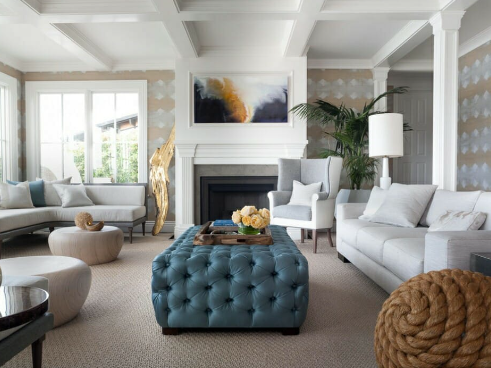
Matching furniture colors in small living rooms can be quite a challenge, but with the right strategies, you can create a cohesive and stylish look. It’s important to consider not only color but also the size and scale of the pieces you select. Let’s dive into some practical tips and tricks for achieving a harmonious furniture palette.
1. Understand the Color Wheel
The color wheel is a fundamental tool for anyone looking to create a beautiful color scheme. Colors that are opposite each other on the wheel, known as complementary colors, create a vibrant and dynamic feel. For small living rooms, however, it’s often more effective to stick to analogous colors, which are next to each other on the wheel for a more cohesive, relaxing vibe.
For example, combining shades of blue with shades of green can create a serene space that feels larger and more open. Neutral colors like beige, gray, and white can also work well as base colors, allowing for splashes of darker or brighter shades in accessories or accent furniture.
-
- Familiarize yourself with the color wheel.
-
- Choose a base color and stick to analogous or complementary shades.
-
- Consider the psychology of colors; blues and greens tend to calm, while yellows and reds energize.
-
- Test paint samples in your room’s lighting before committing.
2. Utilize Layering Techniques
Layering different shades of the same color can add depth and interest to your small living room. This technique allows you to create a richer look without overwhelming the space. Say, for example, you choose a soft gray sofa; consider pairing it with darker gray accent chairs and a lighter gray rug to maintain that cohesive feel.
In addition to color layering, incorporating various textures can create visual interest as well. A leather sofa with cotton throw pillows and a chunky knit blanket offers a blend of textures that can enrich the atmosphere without adding clutter.
-
- Choose a primary color and select multiple shades for layering.
-
- Mix textures like fabric, metal, and wood for visual diversity.
-
- Avoid using too many contrasting colors that might clash.
-
- Use accessories like cushions and throws to introduce new shades without big investments.
3. Consider Scale and Proportions
When selecting furniture, size matters more in small living rooms than in larger spaces. Oversized furniture can make a room feel cramped, while smaller, appropriately scaled pieces help maximize space and maintain a sense of harmony. Measuring your room and considering the proportion of your furniture will help create a balanced look.
Additionally, look for multifunctional furniture that combines form and function. For example, an ottoman that serves as both a coffee table and storage can provide utility while maintaining the aesthetics of your color scheme. Keep any eye on the proportions to ensure everything fits together seamlessly.
-
- Measure your space to understand what sizes will work best.
-
- Choose lighter colors for larger pieces to help them feel less bulky.
-
- Opt for items with legs rather than solid bases to create an airy feel.
-
- Incorporate built-ins or wall-mounted shelves to save floor space.
4. Incorporating Accessories
Accessories can significantly impact your living room’s overall look without the commitment of larger furniture pieces. By incorporating art, décor, and textiles in your chosen color palette, you can create a well-rounded look while having the flexibility to change things up easily. A few accent pieces can tie the room together or introduce additional colors that complement your main palette.
Using items like vases, throw blankets, pillows, and artwork can help unify your color scheme. For instance, if you’ve opted for a neutral sofa, introducing bright and bold pillows or a colorful rug can enhance the overall atmosphere without overpowering the room. Accessories not only add personality but also allow for easy updates over time.
-
- Choose accessories that incorporate your color palette.
-
- Don’t overcrowd with too many objects; quality over quantity!
-
- Rotate accessories seasonally for a fresh look.
-
- Use artwork that echoes the colors and tones in your furniture.
Matching furniture colors in a small living room doesn’t have to be a daunting task. By understanding color theory, utilizing layering techniques, considering scale, and incorporating accessories, you can create a beautifully designed space that reflects your style. Don’t hesitate to seek professional help or explore design resources for further guidance as you embark on this exciting journey. Happy decorating!