
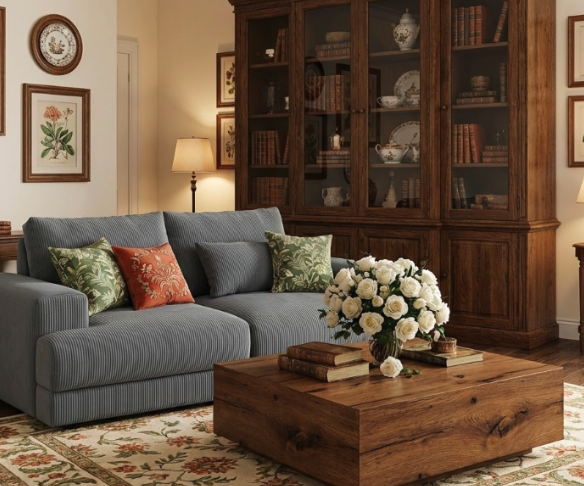
Creating a cozy and stylish small living room can be a delightful challenge, and one of the simplest ways to achieve this is through carefully selected cushion color combinations. Cushions not only add comfort but also serve as decorative elements that can enhance your room’s overall ambiance. Let’s explore some fantastic color combinations to transform your small space.
1. Monochromatic Magic
A monochromatic color scheme, using different shades of a single color, can create a harmonious and soothing atmosphere in small living rooms. For example, various shades of blue, ranging from soft sky hues to deeper navy, can evoke a calming sensation. When choosing cushions in this palette, ensure you mix textures to add depth—think velvet, cotton, and linen together.
This approach helps to maintain a clean line of sight in your limited space, making it feel larger. You can also incorporate different patterns, like stripes or geometric shapes, but keep them within the same color family to maintain balance. By sticking to one hue, you ensure that your room remains visually cohesive and peaceful.
-
- Choose cushions in different shades of the same color.
-
- Mix various textures for added sophistication.
-
- Incorporate subtle patterns for interest.
-
- Use the lightest shades on larger cushions to brighten the room.
-
- Consider your room’s existing furniture color when selecting shades.
2. Bold Contrasts
If you want to infuse your small living room with energy, bold contrast is an excellent option. Combining complementary colors, like teal and coral, can create a vibrant and eye-catching arrangement. This approach warms up the space and can be particularly effective in smaller rooms, as the playful contrasts demand attention and create a focal point, allowing the eye to dance around the space.
However, balance is key when working with bold colors. Use larger surfaces, such as sofas or rugs, in neutral tones to provide a calming backdrop. This will allow your colorful cushions to shine without overwhelming the room. You might also consider using one or two vibrant cushions alongside larger, neutral ones to retain harmony while making a statement.
-
- Select two complementary colors for your cushions.
-
- Incorporate neutral base elements like a beige sofa.
-
- Use patterned cushions along with solid colors for depth.
-
- Limit the number of bold cushions to avoid visual clutter.
-
- Incorporate small decor items in similar hues to tie the theme together.
3. Earthy Tones and Nature Inspirations
Soft, earthy tones can create a soothing environment that mirrors the outdoors—ideal for smaller living rooms where natural light may be limited. Think shades of green, browns, terracotta, and muted yellows. Cushions in these hues can evoke a sense of calm and relaxation, making them perfect for unwinding after a long day.
Incorporating patterns inspired by nature, such as botanical prints or textured textiles mimicking natural elements, can further enhance this look. Pairing these cushions with natural materials like wooden furniture or woven rugs creates a grounded atmosphere, making even the smallest space feel inviting and warm.
-
- Opt for cushions in soft green, warm brown, or muted yellows.
-
- Choose fabrics with natural textures to enhance the earthy feel.
-
- Incorporate nature-themed patterns for visual interest.
-
- Pair cushions with wooden or rattan decorative items.
-
- Use indoor plants to complement your earthy color palette.
4. Playful Patterns and Textures
Small spaces can benefit from a lively mix of patterns and textures, bringing vibrancy and personality into the room. Combining different cushion designs, like florals, geometrics, and stripes, can create a fun and dynamic look that captures attention. To keep it from being overwhelming, stick to a consistent color scheme across patterns, ensuring they work harmoniously together.
Textures are critical in this playful mix; consider adding cushions made from materials such as silk, crochet, or faux fur to create layers and interest. These different textures not only add visual appeal but also invite touch, making your living space more engaging. Be cautious not to overdo it—perhaps limit the number of patterns to three or four to maintain an organized look.
-
- Choose a consistent color palette across patterns.
-
- Mix textures such as silky, knitted, or shaggy cushions.
-
- Limit the number of different patterns to avoid chaos.
-
- Layer patterned cushions on a solid-colored sofa for balance.
-
- Use a few solid cushions to ground the look.
5. Seasonal Switch-Up
One of the joys of cushion styling is the opportunity for seasonal changes. Warmer colors like deep reds, oranges, and yellows may be perfect for fall, while lighter shades such as pastels can brighten your living room in spring. Changing your cushion colors to reflect the seasons can invigorate your space and keep it fresh and inviting throughout the year.
When switching cushions seasonally, consider the textures; heavier fabrics like wool or velvet provide warmth in winter, while lighter weights like linen or cotton are perfect for summer. Additionally, don’t store cushions away; group them and display them according to the current season for an effortless transition!
-
- Choose cushion colors that align with the season.
-
- Switch out cushion covers instead of entire cushions for cost efficiency.
-
- Incorporate seasonal decor elements such as throw blankets or art.
-
- Consider fabric weight alongside color for seasonal appropriateness.
-
- Store out-of-season cushions properly to maintain quality.
By applying these ideas, you can create an inviting and stylish small living room using the right cushion color combinations. Don’t hesitate to play around with colors, patterns, and textures to find what resonates with you. If you feel overwhelmed, consulting with a professional interior designer can offer personalized advice tailored to your space and style.