
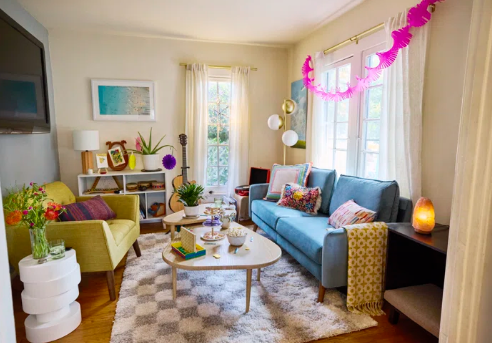
Transforming a small living room in your apartment can feel like a daunting task, especially when it comes to color choices. However, choosing the right colors can enhance the sense of space, brightness, and comfort while reflecting your personal style. Here’s a guide to small living room color ideas that can create an inviting atmosphere.
1. Light and Airy Neutrals
Light and airy neutrals, such as whites, creams, and soft grays, can create an illusion of space, making a small living room feel larger and more open. These colors reflect light beautifully, which is essential in smaller spaces where natural light may be limited. You can enhance this effect by using different shades of the same neutral color on walls and furniture for a cohesive look.
In addition to walls, consider incorporating neutrals in your decor. A beige sofa paired with light gray throw pillows can add depth and warmth without overwhelming the space. Mixing textures, like a plush rug with a smooth coffee table, can create visual interest while keeping the palette serene and sophisticated.
-
- Choose shades of white, beige, or light gray for walls.
-
- Add pops of color through accessories like cushions or artwork.
-
- Mix textures for added depth without color.
-
- Keep trim and moldings in light colors to maintain the airy feeling.
2. Soft Pastels for a Cozy Feel
Soft pastel colors, such as pale blues, rosy pinks, and mint greens, can infuse charm and warmth into a small living room. These colors evoke a sense of calm and coziness, making the space feel welcoming. They can work well as an accent wall or in your decor, striking a balance between vibrancy and tranquility.
Using pastel colors can also help in establishing a theme or style. A pastel-blue wall paired with white furniture can create a beachy, nautical vibe. To keep the look fresh, consider adding natural elements, like houseplants or wooden accessories, which complement the softness of pastel shades wonderfully.
-
- Use pastels for an accent wall to experiment with color.
-
- Pair pastel walls with white or light furniture for a cohesive look.
-
- Add natural elements like plants to enhance warmth.
-
- Incorporate floral patterns to further soften the space.
3. Bold and Dark Colors for Drama
If you’re feeling adventurous, using bold or dark colors can create a dramatic effect in a small living room. Deep blues, rich greens, or even charcoal grays can add sophistication and richness, giving the space a defined character. The key is to balance these darker hues with adequate lighting, so the room remains inviting rather than enclosed.
Creating focal points is essential when using bold colors, such as a deep navy accent wall behind a bookshelf or a dark green sofa against lighter decor elements. Encourage contrast by adding metallics or bright artwork to make the dark colors pop, creating a balanced, stylish environment.
-
- Select one wall for a bold color to avoid overwhelming the space.
-
- Complement dark colors with good lighting fixtures for brightness.
-
- Incorporate lighter furniture or accessories to create contrast.
-
- Use mirrors to reflect light and enhance the space.
4. Monochromatic Schemes
Using a monochromatic color scheme involves utilizing varying shades of a single color throughout the living room. This technique can create a unified look that feels spacious and harmonious. Choosing a primary color that you love—be it soft gray, blue, or even sunny yellow—can serve as your base to build upon in different shades.
Not only does a monochromatic scheme simplify the design process, but it also allows for creativity in textures and patterns. You can mix smooth and rough textiles, such as a soft velvet couch with a knitted throw, to keep the space visually interesting while sticking to your color scheme. Remember to incorporate white or light accents to prevent the space from feeling too heavy.
-
- Choose one color to use in different shades throughout the room.
-
- Incorporate various textures for visual interest.
-
- Utilize white or light accents to provide contrast.
-
- Consider patterns like stripes or florals within the same color family.
By carefully considering the colors you choose for your small living room, you can create a beautiful, inviting space that feels larger and more cohesive. Don’t hesitate to experiment, and remember that color can significantly impact your mood and comfort in your apartment. Start by picking a color palette that resonates with you, and let your small living room shine!