
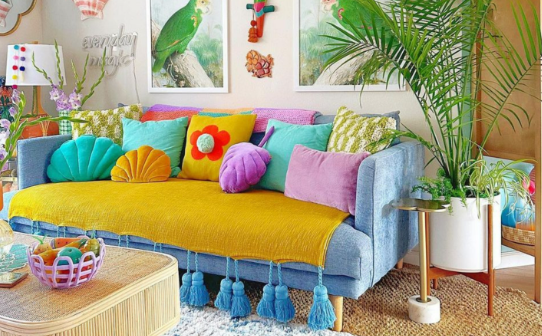
Layering colors in small living rooms can transform the space, making it feel inviting and stylish. By skillfully combining various hues, you can create an atmosphere that reflects your personality while enhancing the overall aesthetic. Here are some effective strategies for achieving a beautifully layered color scheme in your small living area.
1. Understand the Color Wheel
To effectively layer colors, it’s essential to understand the basics of the color wheel. Colors can be classified into three categories: primary, secondary, and tertiary. By recognizing complementary colors—those located opposite each other on the wheel—you can create a vibrant contrast that brings energy to your small living space. Additionally, analogous colors, which sit next to each other, can produce a harmonious and calming effect, perfect for a cozy retreat.
Practical application of these principles can help in selecting a color palette that resonates with you. For example, using shades of blue and orange can ensure a lively but balanced environment. In contrast, greens and yellows deliver a soothing feel, ideal for relaxation areas. This understanding lays the groundwork for layering your colors effectively.
-
- Study the color wheel to understand relationships between colors.
-
- Experiment with complementary and analogous color schemes.
-
- Choose a primary color to serve as the room’s foundation.
-
- Incorporate one or two accent colors for depth.
2. Create a Color Hierarchy
A color hierarchy gives depth and structure to your living room’s aesthetic. Start by selecting a dominant color; this is typically used for the walls, larger furniture, or main rugs. From there, choose a secondary color for items like throw pillows, smaller furniture, or accent chairs. Finally, reserve the third color for accessories such as artwork, vases, or smaller decorative items. This layering not only creates visual interest but also prevents the room from feeling cluttered or chaotic.
For instance, if your dominant color is a light gray for the walls, consider a rich navy blue for a sofa as your secondary color. Then, incorporate splashes of mustard yellow through accessories and cushions to infuse warmth and liveliness. This layered approach will help maintain balance in a smaller space, preventing overwhelming color saturation.
-
- Select one dominant color for larger surfaces.
-
- Choose a secondary color for mid-size furniture.
-
- Add a third color for smaller accents and accessories.
-
- Maintain a cohesive look by ensuring colors complement each other.
3. Textures and Patterns Matter
Incorporating textures and patterns alongside colors can enhance the layering effect in small living rooms. Soft fabrics like velvet or linen can add visual depth, while patterned items such as curtains, rugs, or cushions introduce complexity. This multi-layered approach allows for colorful combinations to stand out without causing visual overload. For example, a solid-colored sofa can shine among patterned cushions and textured throws.
Mixing various textures, such as incorporating a knitted throw, silk curtains, and a plush rug, can also evoke a cozy atmosphere while maintaining a sophisticated design. This interplay of textures and colors ensures that your small living room remains engaging and feels more expansive than it is.
-
- Mix different textures: soft, smooth, and rough.
-
- Incorporate patterned items sparingly to create focal points.
-
- Opt for a few statement pieces instead of overwhelming patterns.
-
- Balance bold textures with more neutral colors to prevent chaos.
4. Use Natural Light to Your Advantage
Natural light can profoundly affect how colors are perceived in your living room. By considering the amount of light your room receives throughout the day, you can select hues that complement this element. Light colors tend to reflect more light and create an airy feeling, ideal for small spaces. Conversely, darker shades can absorb light and make the room feel more enclosed if not used wisely.
For optimal results, consider placing lighter shades on the walls and larger pieces of furniture while introducing darker colors through accents. For example, soft cream walls paired with a dark charcoal sofa can lend a sophisticated, open atmosphere while adding depth through the darker elements. Experimenting with lighter colors in your base will keep the room feeling expansive, while darker hues can provide needed warmth and texture.
-
- Assess the amount of natural light in your living room.
-
- Use lighter colors for walls and bigger furniture to expand the look of the space.
-
- Incorporate darker colors through smaller accents to provide warmth.
-
- Choose paint finishes wisely; matte finishes absorb light, while gloss reflects it.
5. Personal Touch Through Accessories
The final layer to consider in your color scheme is the incorporation of personalized accessories. Items such as artwork, photo frames, and decorative knick-knacks can echo your chosen color palette while allowing you to express your personality. Since these pieces are often portable, you can easily swap them out as trends change or as you acquire new pieces over time, keeping your living space fresh and up to date.
Integrate these accessories strategically across the room to tie your color scheme together. For example, if you have a navy couch, consider artwork that includes hints of navy, complemented by throw pillows featuring similar tones. This creates a cohesive look that feels curated and comfortable, elevating the overall atmosphere of the room.
-
- Incorporate personal accessories that reflect your style.
-
- Ensure that accessories echo or complement your chosen color scheme.
-
- Swap accessories occasionally for a fresh look.
-
- Utilize a mix of sizes and shapes in your decor to create interest.
By employing these strategies to layer colors in your small living room, you can create a space that is not only functional but also reflects your style and personality. Take the time to experiment with color combinations, textures, and light to discover what works best for you. With thoughtful approaches, your small living room can become a cozy and stylish retreat.