
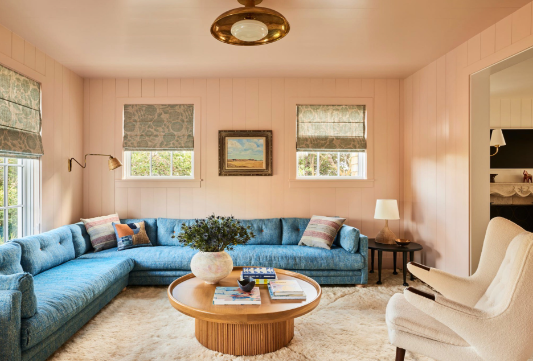
Creating a small living room that feels inviting and spacious can often be a challenge. One effective way to achieve this is by using textured color schemes that enhance the space’s overall aesthetic. This blog post will explore how you can optimize color and texture in your small living room.
1. Understanding Color Theory
Before diving into specific color schemes, it’s essential to understand the basics of color theory. Colors can evoke different feelings and perceptions; for instance, lighter colors tend to open up a space, while darker shades can make it feel more intimate. For a small living room, a palette of soft, muted tones can help create an airy illusion while maintaining warmth.
Consider incorporating shades such as soft grays, warm whites, or pale blues. These tones can work well with various textures to create a cohesive, inviting environment. By thoughtfully selecting a principal color and accentuating it with textured elements, you’ll establish an appealing balance that is visually stimulating.
-
- Choose a base color that reflects light.
-
- Incorporate a range of tones similar to your base for depth.
-
- Don’t overpower the space with dark colors.
-
- Use color wheels to inspire your palette selection.
2. Combining Textures with Color
Textures play a crucial role in the overall aesthetics of a small living room. By mixing various materials, such as textiles, woods, metals, and ceramics, you can add dimension to the color palette. For example, soft textiles like velvet or linen upholstery can contrast beautifully with the sleek finish of wooden furniture.
Add cushions, throws, or rugs that introduce texture while echoing your color scheme. Layers are your friend; consider a fluffy area rug in a light tone that aligns with your color base, surrounded by cushions featuring deeper hues. This combination not only elevates the visual appeal but also creates a warm and inviting atmosphere.
-
- Mix different materials for visual contrast.
-
- Incorporate soft textures to enhance comfort.
-
- Use patterned textiles that include your main color.
-
- Avoid overwhelming the space with too many textures.
3. Smart Use of Accent Colors
Accent colors are an excellent way to inject personality into a small living room without cluttering the space. They should complement the primary color scheme but stand out enough to create visual interest. Consider using rich jewel tones like emerald green or deep burgundy to create focal points within your living space.
These accents can be introduced through artwork, decorative pillows, or even an accent wall. By using these pops of color judiciously, you can enhance the overall ambiance of the room. Additionally, accents can be switched out seasonally for a fresh feel, allowing you to regularly update your space without significant investment.
-
- Select one or two accent colors to maintain harmony.
-
- Use accent colors in items you can easily change.
-
- Consider the energy of your accent colors—go for calming or invigorating shades based on your preference.
-
- Test out your accent colors with samples before committing.
4. Utilizing Lighting to Enhance Color
Good lighting is essential when it comes to showcasing your textured color schemes effectively. Natural light should be maximized in small spaces to help colors look more vibrant. Use sheer curtains that allow light to filter through while maintaining privacy. This not only enhances the colors in your living room but also makes it feel larger and more open.
Additionally, you should consider various forms of artificial lighting. Layering different light sources, such as floor lamps, table lamps, and accent lighting can create a dynamic atmosphere. Warm lighting can soften the effect of your color scheme, making it feel more inviting, while cooler lights can highlight your color textures.
-
- Maximize natural light whenever possible.
-
- Opt for lamps that offer warm-toned bulbs.
-
- Use dimmers to control the ambiance at different times of day.
-
- Position mirrors strategically to reflect light and colors.
In conclusion, achieving a beautifully textured color scheme in your small living room is not only possible but also enjoyable. By employing effective color theory, combining textures wisely, using accent colors, and optimizing lighting, you can transform your space into a cozy retreat. Take the next step by experimenting with various colors and textures to find the perfect combination for your home!