
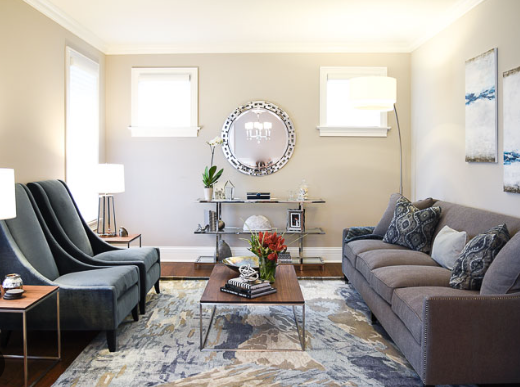
Designing a small living room can be a challenge, especially when it comes to choosing the right color scheme. Transitional color schemes offer a beautiful blend of traditional and contemporary elements that can make a small space feel open and inviting. This post explores how these schemes can transform your living room.
1. Understanding Transitional Color Schemes
Transitional color schemes are characterized by their balance of both warm and cool tones, mixing old and new color trends. They often include soft neutrals, muted shades, and pops of color to create a harmonious look. For a small living room, these colors can enhance the sense of space while providing character and warmth to the environment.
For example, a palette of warm beige, soft gray, and an accent of teal might evoke a cozy yet modern feel. The key is to ensure that your transitions are subtle and fluid, allowing for an effortless flow throughout the room. You can use lighter colors to open up the space while integrating a few darker hues for depth and elegance.
-
- Choose a base color for your walls and larger furniture pieces.
-
- Incorporate a mix of warm and cool tones in accents.
-
- Utilize at least one statement color to draw the eye.
-
- Consider textures in your color scheme for added depth.
2. Choosing the Right Palette
Choosing the right color palette for your small living room can significantly affect how spacious it feels. Light colors like soft whites, pastels, and light grays can help to reflect natural light, making the room feel airier. Meanwhile, deeper and richer colors can create contrast, making elements of your design stand out and offering visual interest.
One effective technique is to select a monochromatic base, utilizing varying shades of the same color family. For example, if you choose blue, incorporate shades from sky blue to navy. This creates a seamless transition without overwhelming the senses. Be intentional with your accents as well; incorporating splashes of bold colors can brighten the room without making it feel cluttered.
-
- Select a monochromatic base color for cohesiveness.
-
- Utilize lighter shades on walls and larger furniture to enhance light.
-
- Add darker or bolder accents through throws, pillows, or décor.
-
- Incorporate various textures within the same color family for depth.
3. Incorporating Texture and Patterns
In a small living room, introducing texture and patterns can enhance your transitional color scheme dramatically. Textures such as soft cotton, luxurious velvet, and natural wood can add dimension and warmth to the area. Mixing these with patterned elements fosters a captivating look that draws the eye and keeps it moving throughout the space.
When choosing patterns, be mindful of scale. Large patterns can overwhelm a small room, while smaller patterns can create a more cohesive look. For example, you might opt for a large floral print on a throw pillow to serve as an eye-catching focal point while utilizing a subtle geometric pattern on a rug. This combination can add visual intrigue without making the area feel cluttered.
-
- Choose a few key textures that resonate with your color scheme.
-
- Integrate different materials like wood, fabric, or metal.
-
- Avoid overly busy patterns; choose smaller, subtler designs.
-
- Layer textures through rugs, cushions, curtains, and throw blankets.
4. Lighting Considerations
Lighting is an often-overlooked aspect that can affect your color scheme’s overall appeal in a small living room. Natural light can enhance the beauty of your chosen colors and textures, while artificial lighting can dramatically change how colors appear. Dimmers, soft bulbs, and strategically placed lamps can help manage the ambiance and impacts of color.
When working with a transitional color scheme, consider using warm white bulbs that blend well with your palette. Table and floor lamps with shades can diffuse light and create more inviting spaces. Light placement is crucial; try installing lights in various locations to see how the color palette responds at different times of the day.
-
- Maximize natural light by using sheer curtains.
-
- Consider warm white bulbs for a cozy atmosphere.
-
- Use dimmer switches to control lighting intensity.
-
- Experiment with light placement to enhance color reflections.
5. Final Touches for Your Space
The final touches can truly bring your transitional color scheme to life. Artwork, decorative items, and plants can all enhance your chosen palette, adding both interest and personality to your small living room. Ensure these elements complement the existing colors and textures in the room, but also allow for some individuality.
For example, a large canvas featuring warm earth tones can serve as a stunning focal point on a neutral wall. Likewise, a few well-chosen houseplants can provide a vibrant pop of green, creating a refreshing contrast to your color scheme. Remember, the key is not to overcrowd; instead, curate the items that resonate with your personal style while harmonizing with your color choices.
-
- Choose artwork that complements your color scheme without clashing.
-
- Add accent pieces that bring out your chosen hues.
-
- Incorporate plants to add life and color contrast.
-
- Limit decorative items to prevent clutter.
Transforming your small living room with a transitional color scheme can feel daunting but incredibly rewarding. By carefully selecting your palette, textures, lighting, and final touches, you can create a cohesive and inviting space. If you’re struggling to implement these strategies, consider consulting a professional designer for personalized guidance tailored to your unique room.