
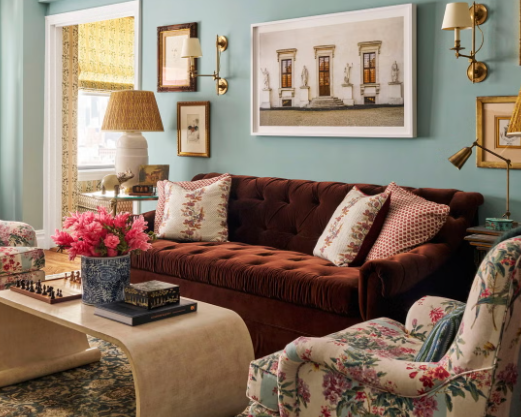
Small living rooms can often feel cramped, but the right color scheme can transform them into cozy, inviting spaces. Subtle color contrasts can enhance depth and make your small living area feel larger and more comfortable. In this blog post, we’ll explore effective strategies to create harmonious and appealing environments with carefully chosen color palettes.
1. Understanding Color Theory
Before you start selecting colors, it’s essential to understand some basic color theory. Colors can be categorized into warm and cool tones, and they affect moods and perceptions. For instance, warm colors like reds and yellows can make a space feel inviting, but if overused, they can also feel overwhelming. Cool colors, on the other hand, like blues and greens, often instill a calming effect, but might create a cold atmosphere when not balanced with warmer accents.
By understanding color theory, you can choose a primary color that embodies the room’s mood while selecting complementary shades to add depth and character. This layer of subtle contrasts can ensure that your living room feels both spacious and comfortable. For example, if you lean towards a soft blue for your walls, consider deeper navy or aqua accents in pillows or art to create that necessary contrast.
-
- Research basic color theory concepts.
-
- Select warm or cool tones based on the mood you want to convey.
-
- Choose a primary color for the walls.
-
- Pick complementary shades for accents and decor.
-
- Consider the impact of lighting on color perception.
2. Choosing the Right Paint Colors
The choice of paint color is vital in a small living room. Opting for a light neutral shade, like soft beige or pale gray, can make the space feel more open. These colors need not be bland; consider using varying shades of your chosen color to add depth. For example, a light gray wall combined with slightly darker gray furniture can provide a sophisticated, layered look.
Moreover, don’t shy away from utilizing an accent wall painted in a darker hue, such as a deep green or blue. This can create a stunning focal point without overwhelming the space. Pair this with lighter furnishings and decor items to strike a balance. Incorporating multiple finishes, like matte and satin, can also enrich the visual experience while enhancing subtle contrasts.
-
- Opt for light neutral shades for walls to create an airy feel.
-
- Use varying shades of the same color for a layered look.
-
- Consider an accent wall for added depth.
-
- Mix finishes to add texture and contrast.
-
- Test paint samples in natural and artificial light.
3. Decor and Accessories that Enhance Color Contrast
Decor and accessories are integral in crafting subtle contrasts within your small living room. Throw pillows, rugs, and art pieces can all contribute to a cohesive color palette and create visual interest. When picking out these items, consider contrasting textures and patterns that incorporate your primary color theme. For instance, a textured throw pillow in a deep navy can beautifully complement a light gray sofa.
Add in some greenery with house plants, which not only add a splash of fresh color but also introduce elements that invigorate the room. Plants can provide that much-needed contrast against the backdrop, making the space feel alive. Remember, layering your accessories with differing heights and textures will also enhance the overall ambiance.
-
- Choose throw pillows in contrasting colors and textures.
-
- Incorporate area rugs to define spaces within the room.
-
- Use plants for color and life.
-
- Layer accessories in varying heights.
-
- Choose artwork that aligns with your color palette.
4. Strategic Use of Furniture
The furniture you select can significantly impact the perception of space and color in your small living room. When choosing pieces, consider lighter furniture styles that don’t overpower the room’s aesthetic. For example, a light wood coffee table can contrast beautifully against darker upholstery while maintaining an airy feel.
Additionally, multi-functional furniture can help in keeping the room organized while providing more opportunities for subtle contrasts. Look for items with built-in storage or modular configurations that allow rearranging to suit various needs. Layering different materials can also create visual contrast and make the room feel cohesive without becoming cluttered.
-
- Select lighter furniture pieces to enhance airiness.
-
- Choose multi-functional or modular pieces for flexibility.
-
- Consider mixing materials, such as wood, metal, or glass.
-
- Avoid oversized furniture that overwhelms the space.
-
- Use furniture layouts to create distinct areas within the space.
Creating subtle color contrasts in your small living room is all about careful planning and thoughtful selections. By understanding color theory, choosing appropriate paint and decor, and selecting the right furniture, you can transform your space into a serene yet dynamic haven. Use these ideas as a starting point, and don’t hesitate to experiment to find what works best for your unique style!