
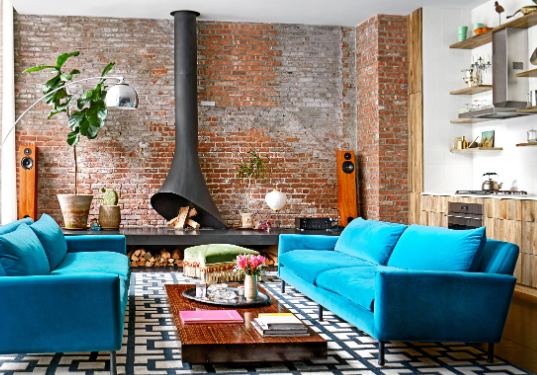
Creating a harmonious color palette for small living rooms can significantly enhance the space’s appeal and functionality. The right color combinations can create an illusion of greater space, elevate mood, and make your living area feel more inviting. In this post, we will explore some effective color combinations to help you transform your small living room into a cozy retreat.
1. Soft Neutrals with Pops of Color
Soft neutrals like beige, taupe, or light gray provide a calming backdrop for small living rooms. These shades reflect light, making the space feel larger and more open. Spotting vibrant colors like teal, mustard yellow, or coral as accents can inject personality into the room without overwhelming it. For example, a beige couch paired with bright orange cushions can create an energetic contrast while keeping a serene overall vibe.
Incorporating pops of color can be done through various elements such as throw pillows, artwork, or decorative objects. You can paint one accent wall in a bold color to give more depth while keeping the remaining walls neutral. This technique draws the eye and adds a touch of drama to your small space.
-
- Choose neutral paint colors for walls to maximize light reflection.
-
- Add colorful accessories like cushions or rugs for contrast.
-
- Use colorful art pieces to liven up the space.
-
- Limit bright colors to avoid overwhelming the room.
-
- Consider changing accent colors seasonally for a fresh look.
2. Monochromatic Schemes for Depth
A monochromatic color scheme involves using different shades and tints of a single color to create depth and interest. For a small living room, consider shades of blue or green, which promote tranquility and cohesion. Light blue walls combined with darker blue upholstery can create layered visuals that make a room feel sophisticated and elegant.
This approach encourages a seamless flow and a clean aesthetic, which is particularly beneficial in smaller spaces. To add texture, mix materials like soft velvet cushions, sleek leather furniture, and a woven rug in varying shades of your chosen color. This will not only keep the color scheme engaging but will also add warmth and dimension.
-
- Select one color and use various shades for furniture and decor.
-
- Incorporate different textures to enrich the monochromatic scheme.
-
- Utilize lighting to enhance subtle color variations.
-
- Avoid too much contrast, which can distract from the serene vibe.
-
- Experiment with patterns in one color family for visual interest.
3. Earthy Tones for a Cozy Feel
Earthy tones such as terracotta, olive green, and muted browns create a warm, inviting atmosphere. These colors evoke a sense of nature, making them perfect for small living rooms that aim for a cozy, homely ambiance. Pairing terracotta walls with soft cream furniture can create a delightful and comforting setting for relaxation.
To achieve a harmonious look, consider layering these colors with different materials. For instance, incorporate soft textiles — think linen curtains, wool throws, or jute rugs — in complementary earthy shades. Such combinations will enhance the warm, welcoming vibe of your small living space.
-
- Choose earth tones for a grounding and cozy environment.
-
- Mix different textures to bring depth to the color palette.
-
- Incorporate greenery through plants to enhance the earthy feel.
-
- Keep bulkier furniture in lighter shades to avoid a heavy look.
-
- Accessorize with artwork depicting nature or landscapes.
4. Bold Contrasts for Dramatic Spaces
If you’re looking to make a statement, consider a bold contrast like black and white or navy and mustard. Dark tones can actually make small living rooms feel more intimate and cozy. For instance, a deep navy wall with bright yellow accents creates a striking and modern look that can energize the space. This combination can serve as an excellent conversation starter.
However, to effectively use bold contrasts, balance is essential. Keep larger pieces of furniture in the darker colors while adding lighter elements to ensure the room doesn’t feel too heavy. Use lighting effectively to highlight these contrasting elements and create a dynamic visual experience.
-
- Choose two contrasting colors for a bold look.
-
- Use bright accents against darker walls for balance.
-
- Incorporate lighting to enhance the contrast and drama.
-
- Keep furniture simple to allow colors to be the focal point.
-
- Don’t overdo the bold colors; use them strategically in accents.
Incorporating harmonious color combinations for your small living room can truly transform the space into a warm and inviting atmosphere. Each color palette offers unique opportunities for creativity and personalization. Take the time to experiment with these ideas, and don’t hesitate to consult a professional designer if you want tailored advice to elevate your specific space.