
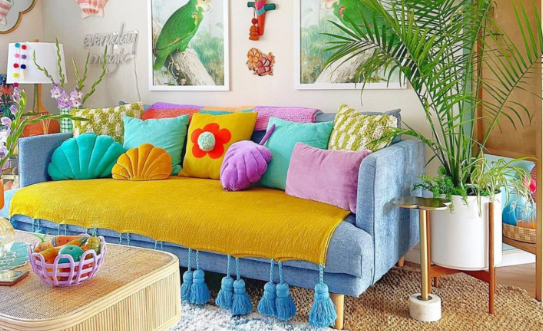
Creating a cohesive and inviting atmosphere in a small living room can be challenging, especially when it comes to color coordination with artwork. The right balance can transform your space, making it feel larger and more personalized. Here are some insights on how to effectively coordinate colors with artwork in your cozy living area.
1. Understanding the Color Wheel
Before diving into color coordination, it’s essential to grasp the basics of the color wheel. This tool allows you to see how different colors interact with one another. Complementary colors, located opposite each other on the wheel, create vibrant contrast, while analogous colors, found next to each other, offer a more harmonious feel. By understanding these relationships, you can select artwork that either complements or contrasts with your living room’s palette.
For instance, if your walls are painted a soft beige, consider artwork featuring deep blues or muted greens for a striking contrast. Alternatively, pieces with shades of cream or tan can create a seamless look if you prefer a more understated aesthetic. Taking note of the predominant colors in your artwork can make it easier to choose an overall color scheme for your room.
-
- Study the color wheel to understand relationships between colors.
-
- Identify if you want a complementary or analogous color scheme.
-
- Observe the dominant hues in your chosen artwork.
-
- Experiment with different color pairings before making choices.
2. Size and Framing Considerations
The size of your artwork and its frame can significantly impact the color coordination in a small living room. Larger pieces can serve as a focal point, making a bold statement against neutral walls or light-colored furniture. However, you must consider the frame color and style, as these elements can either enhance or clash with the artwork’s colors and the room’s overall aesthetic.
For smaller spaces, opt for a gallery wall using smaller, framed pieces. This approach can create depth through varied colors and arrangements. Choose frames that either match or contrast with your existing furniture for an appealing balance. For example, if your furniture is sleek and modern, consider frames in a matte black finish for a contemporary look, or wooden frames for a more rustic vibe.
-
- Choose larger artworks for focal points in minimalist settings.
-
- Consider a gallery wall with smaller pieces to maximize space.
-
- Match or contrast the frame colors thoughtfully with furniture.
-
- Ensure framing styles complement your room’s overall theme.
3. Incorporating Textures and Patterns
When coordinating colors with artwork, don’t overlook the importance of textures and patterns. These elements add depth and interest to your living space. Textured surfaces, such as pillows, rugs, or curtains, can either enhance the colors in your artwork or provide contrast, enriching the entire visual narrative of the room.
For example, if your artwork features vibrant colors, adding a textured throw or patterned rug can harmoniously tie the pieces together. If your artwork is more subdued, consider incorporating bold textiles to make the room feel cozy and layered. The key is to engage multiple senses and create a multi-dimensional environment that invites relaxation and conversation.
-
- Incorporate various textures to enhance visual interest.
-
- Choose patterns that reflect the colors of your artwork.
-
- Keep a balance between art and textiles for a cohesive look.
-
- Don’t shy away from mixing textures like wood, fabric, and metal.
Coordinating colors with artwork in a small living room requires attention to the interplay between hues, sizes, frames, and textures. By selecting pieces and arrangements mindfully, you can create a visually engaging and harmonious space that reflects your personal style.
In conclusion, your living room can become a stunning showcase of art when you take the time to consider color coordination carefully. Experiment with different combinations and don’t hesitate to seek advice from professionals if needed. Start your creative journey today and watch your small living room flourish!