
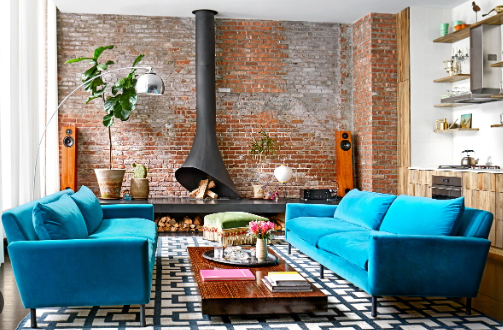
Choosing the right color scheme for a small living room can dramatically transform the space into a stylish and inviting area. Creative color combinations not only enhance the aesthetics but can also create an illusion of space. Let’s explore some unique color pairings that can breathe life into your small living area.
1. Soft Neutrals with Bold Accents
Soft neutral colors such as beige, cream, and light gray are ideal for small living rooms because they tend to make a space feel larger and more open. Pairing these soothing shades with bold accents, like navy blue or emerald green, can create a stunning focal point without overwhelming the space. For instance, a light gray wall paired with a vibrant blue sofa can provide balance and character.
Additionally, you can use accessories to reinforce this palette. Decorative pillows, throws, and area rugs in bold colors can add texture and depth to the room while keeping the overall feel cohesive and harmonious. This combination is elegant yet playful, making it suitable for various interior styles, from contemporary to traditional.
-
- Choose a soft neutral for the walls.
-
- Introduce bold colors through furniture or art.
-
- Incorporate different textures to maintain interest.
-
- Keep patterns subtle to avoid visual clutter.
-
- Consider lighting to enhance color contrasts.
2. Monochromatic Beauty
Monochromatic color schemes can be incredibly effective in small living rooms. This approach involves using varying shades and tints of a single color, which can create a sophisticated and cohesive look. For example, shades of soft green can evoke tranquility and nature, while deeper greens add richness and depth.
To make this combination work, consider incorporating different elements like cushions, drapes, and artwork, all in various shades of green. You can also play with textures, such as a matte wall finish paired with glossy furniture, to keep the design visually engaging. Monochromatic color schemes are versatile and can adapt to different themes, whether you prefer a modern touch or a rustic ambiance.
-
- Select one main color for your scheme.
-
- Mix different shades and textures within the hue.
-
- Use plants or natural elements to add freshness.
-
- Choose minimalist furniture to avoid overpowering the theme.
-
- Accent with metallics to enhance elegance.
3. Playful Pastels with Dark Pairings
Pastel colors bring a cheerful and airy feeling to small living rooms. Combining soft shades like blush pink, mint green, or baby yellow with darker colors such as charcoal gray or deep indigo creates a striking contrast that’s both playful and sophisticated. For instance, pastel pink walls coupled with a charcoal sofa can create a chic and inviting space.
Moreover, this mix allows for creativity in decor. Pastel-colored art pieces or decorative accents can complement dark furniture, adding an eclectic vibe to your room. This color combination works well for those wanting to showcase personality and warmth without sacrificing style.
-
- Select pastel colors for the main elements.
-
- Introduce darker tones through furniture or accessories.
-
- Balance out light and dark with varying textures.
-
- Use playful patterns to tie together the color scheme.
-
- Incorporate natural light to enhance pastel tones.
4. Earthy Tones with Pops of Color
Earthy tones, such as terracotta, olive green, or muted browns, bring a grounded and warm feel to a small living room. These colors are an excellent backdrop for incorporating pops of vivid colors, like sunburst yellow or cobalt blue. For example, an olive green sofa can be accented with vibrant orange cushions for a lively contrast.
This combination not only warms the space but also cultivates an inviting atmosphere. Accessorizing with natural materials such as wood, stone, or plants can further enhance the earthy vibe. This color palette is perfect for those who appreciate a cozy, nature-inspired look.
-
- Opt for earthy colors for walls and larger pieces.
-
- Introduce pops of brighter colors in small doses.
-
- Incorporate natural elements for added warmth.
-
- Keep the overall design balanced and inviting.
-
- Consider various finishes to diversify the palette.
Creating the perfect color combination for your small living room can open up possibilities for style and comfort. Whether you opt for soft neutrals or playful pastels, the key is to ensure that your chosen colors complement each other while enhancing the space. Don’t hesitate to experiment and even consult a professional for personalized advice to achieve that perfect look!