
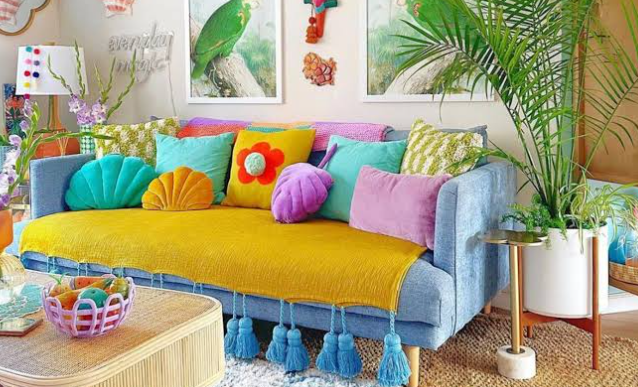
Transforming your small living room with DIY color styling can seem daunting, but with the right techniques, it can be an enjoyable and fulfilling endeavor. By playing with colors, patterns, and textures, you can create a vibrant and inviting space that reflects your personality.
1. Choosing a Color Palette
Choosing an effective color palette is the cornerstone of successful color styling. When selecting colors for your small living room, consider the mood you want to create. Soft, light colors can make a room feel more spacious, while bold colors can add drama and warmth. A cohesive palette often includes a mix of three to five complementary colors that can be layered through paint, furnishings, and accessories.
One popular method is to use the 60-30-10 rule: 60% of the room should feature a dominant color, typically on the walls; 30% a secondary color found in larger furniture; and 10% an accent color through decorative items. This strategic approach not only helps to maintain visual balance but also keeps the space from feeling cluttered.
-
- Start with a color swatch or palette generator.
-
- Consider the lighting in your room; natural light will affect how colors appear.
-
- Test small samples of paint on the walls before fully committing.
-
- Think about existing furniture; your palette should harmonize with what you already own.
-
- Create a mood board to visualize your color combinations.
2. Integrating Patterns and Textures
Once you’ve established your color palette, integrating patterns and textures can add depth and interest to a small living room. Textural elements, such as cushions, rugs, and curtains, can break up the monotony that sometimes accompanies uniform colors. Consider using a mix of fabrics, like soft cottons, muted linens, or even luxurious velvets, to create a tactile experience.
Patterns can also play a significant role but should be used judiciously. Too many can overwhelm a small space. Instead, incorporate one or two bold patterns, such as a geometric rug or floral throw pillows, to be your focal points while keeping the rest of the elements more subdued. This creates a cohesive appearance while avoiding visual chaos.
-
- Mix textures – combine smooth, rough, and shiny surfaces.
-
- Limit patterns to one or two dominant types.
-
- Use throw pillows and blankets as an easy way to introduce patterns.
-
- Choose patterns that echo the color palette you’ve created.
-
- Consider scale; select larger patterns for big items and smaller ones for accessories.
3. Smart Furniture Placement
Efficient furniture placement is essential in small living rooms to ensure that your colors and designs shine through. Start by determining the primary function of your room, whether it’s relaxation, entertainment, or work. Positioning larger furniture, like sofas and coffee tables, along walls or in defined, functional areas can open up the space and make it more inviting.
Additionally, consider multi-functional pieces that serve more than one purpose. For example, a coffee table with storage can reduce visual clutter, or a sofa bed can accommodate guests without taking up extra space. Opt for lighter furniture in your chosen color palette to help it blend seamlessly into the design.
-
- Measure your space before buying new furniture.
-
- Arranging furniture in a circular or U-shape can enhance flow.
-
- Place furniture away from walls to capture more space visually.
-
- Use ottomans or poufs for extra seating; they can be moved or tucked away easily.
-
- Experiment with layouts by using tape to outline areas on the floor.
4. Accessories Bring It All Together
Accessorizing your small living room with the right decor items can bring your DIY color styling to fruition. Accessories provide the perfect opportunity to introduce additional colors, textures, and patterns without overwhelming the space. Think about artwork, vases, books, and decorative items that fit your established theme and palette. These should act as conversation starters and personal touches in your environment.
Consider the size and scale of your accessories to avoid overcrowding. For wall art, opt for a few larger pieces or create a gallery wall that incorporates your chosen colors. For tabletop arrangements, use a variety of heights and shapes to keep things visually interesting without looking cluttered.
-
- Select art pieces that reflect your personality or experiences.
-
- Use trays or decorative boxes to organize smaller items on tables.
-
- Group accessories in odd numbers for a more natural look.
-
- Rotate your decor seasonally to keep the space feeling fresh.
-
- Be mindful of maintenance; choose items that are easy to clean and manage.
Embarking on a DIY color styling project for your small living room can be a rewarding experience that allows you to express your creativity. By thoughtfully choosing colors, integrating patterns, and carefully arranging furniture and accessories, you can create a charming and stylish space. So gather your supplies and start transforming your living area today!