
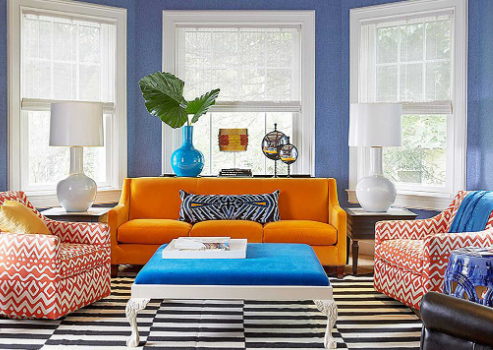
When it comes to small living rooms, color pairing can be a tricky yet essential aspect of interior design. A well-coordinated color scheme can enhance the space, making it feel larger and more inviting, while poor choices can create a cramped or chaotic atmosphere. Understanding common color pairing mistakes can help you maximize your small living area’s potential.
1. Choosing Dark Colors for All Walls
One of the most common color pairing mistakes in small living rooms is opting for dark hues on all walls. While dark colors can add depth and sophistication, they can also make a small space feel even smaller and closed off. Instead, consider using dark colors strategically—perhaps on a single accent wall or in smaller areas of the room—to create a focal point without overwhelming the space.
Another approach is to balance darker shades with lighter colors in furnishings and accents. Light colors can reflect more light and create an airy feel, counteracting the heaviness of dark walls. By painting just one wall or using dark furniture against lighter walls, you can balance the room and avoid making it feel oppressive.
-
- Consider using dark colors on an accent wall only.
-
- Incorporate lighter furniture to balance the darkness.
-
- Use mirrors to reflect light and create depth.
-
- Test paint samples before committing to a wall color.
2. Forgetting the Power of Contrast
Another frequent mistake is neglecting the power of contrast. A room filled with colors that are too similar can create a monotonous environment, making it feel flat and uninspired. Contrast adds interest and can make your small living room feel more dynamic. For example, pairing a soft grey sofa with vibrant throw pillows can instantly transform the room’s energy.
When selecting colors, aim for a mix of light and dark, warm and cool shades. This approach not only enhances the visual appeal but also allows you to define different areas within the same space, making it feel more organized. Consider using a palette that combines neutral tones with one or two contrasting bold colors for an eye-catching effect.
-
- Incorporate pillows or art in contrasting colors.
-
- Mix warm and cool tones for visual interest.
-
- Use area rugs to separate spaces seamlessly.
-
- Experiment with color swatches to find the right balance.
3. Overlooking the Importance of Accents
Many people make the mistake of forgetting about accent colors when designing their small living rooms. While choosing a main color is essential, selecting appropriate accent colors can elevate the overall look of the space. Accents can range from throw pillows and artwork to decorative items like vases and bookshelves. A pop of color can enhance the mood and add character without overwhelming the room.
In a small living room, use accent colors to draw attention to specific elements while still maintaining a cohesive look. If your main color is a soft beige, for instance, consider using navy blue or mustard yellow as accents. This approach allows for flexibility, and you can change these items seasonally for a fresh look without a complete makeover.
-
- Use cushions, throws, or art to add accent colors.
-
- Select accents that complement your main colors.
-
- Rotate accents seasonally for a new feel.
-
- Keep accent pieces in proportion to the space.
4. Ignoring Natural Light
Natural light plays a crucial role in how colors appear in your living space. A color that looks stunning in a showroom might feel completely different in a small room with limited natural light. Ignoring this aspect can lead to a mismatch that doesn’t achieve the desired effect. Ensure that your color scheme is compatible with the light source and the direction it comes from.
For instance, rooms with north-facing windows may appear cooler and require warmer colors to balance the light. On the other hand, south-facing rooms may bask in warm sunlight, allowing for cooler shades. Assess how your room interacts with natural light before finalizing your color choices to ensure a harmonious atmosphere.
-
- Observe how the colors change throughout the day.
-
- Use lighter colors in low-light areas.
-
- Choose warm tones for north-facing rooms.
-
- Consider the direction of window light when choosing colors.
In conclusion, avoiding common color pairing mistakes can significantly enhance the atmosphere in your small living room. By being mindful of your choices and considering factors like natural light, contrast, and accent colors, you can create a space that feels both inviting and spacious. Take the next step by testing different palettes and combining colors to find your perfect aesthetic!