
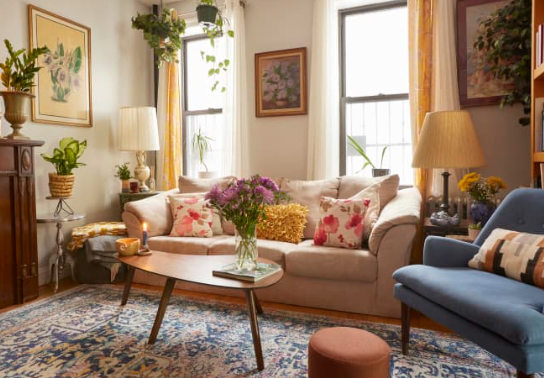
Choosing the right color palette for a small living room can be a daunting task. With so many options available, it’s easy to feel overwhelmed. However, an eclectic color palette can create a vibrant and welcoming atmosphere, making the most of a limited space.
1. Understanding Eclectic Color Palettes
Eclectic color palettes blend various colors and styles to create a unique and personalized space. Instead of sticking to a single hue or monochromatic theme, you can mix and match colors that evoke different emotions while ensuring they complement each other. When dealing with small living rooms, this approach can make the space feel dynamic and engaging.
To achieve an eclectic look, consider incorporating colors from different spectrums. For instance, pairing a bold teal with softer pinks and creamy whites can energize the room without overwhelming it. The key is to find a unifying element, like shared tones or textures, that ties all the colors together harmoniously.
-
- Start with a neutral base for walls and larger furniture.
-
- Select 3-5 main colors to build your palette.
-
- Use different shades of the same color for depth.
-
- Incorporate various textures to enhance visual interest.
2. Color Combinations that Work
Finding the right combination of colors can significantly impact the ambiance of your small living room. Some successful palettes include jewel tones, pastels, or even earth tones. For example, a mix of emerald green and mustard yellow can result in a rich, luxurious feel, while lavender and soft peach can create a calming oasis.
Another effective strategy is to incorporate accent colors through accessories like cushions, throws, or artwork. These elements allow you to experiment with bolder hues without committing to them on larger surfaces. For instance, using a bright orange throw on a neutral sofa can add a playful touch that’s easy to change out seasonally.
-
- Experiment with accent colors in small doses.
-
- Try color swatches before committing to any paint or fabric.
-
- Balance bold colors with softer tones for visual rest.
-
- Use art and decor to introduce unexpected color pops.
3. Tips for Implementing Eclectic Palettes
Bringing an eclectic color palette to life involves not just color choice but also thoughtful placement. Start by considering natural light; darker colors may absorb light and make a space feel smaller, while brighter shades can open it up. In a small living room, consider painting one feature wall in a bold color and keeping the rest lighter to maintain balance.
Accessories play a crucial role too. Layering throws, pillows, and rugs in different patterns and colors can create a colorful yet cohesive look. Mixing vintage and modern pieces also reinforces the eclectic aesthetic while allowing each item to shine, even in a small space.
-
- Choose one dominant color and two accent colors for balance.
-
- Utilize multi-functional furniture to keep the space open.
-
- Incorporate personal items like family photos or travel souvenirs for a unique touch.
-
- Keep larger pieces neutral to allow colorful accents to stand out.
4. Maintaining Cohesion in an Eclectic Design
While mixing colors and styles can yield a visually appealing effect, maintaining a sense of cohesion is essential. One practical way to achieve this is through the use of a motif or pattern that recurs throughout your living room. This could be through fabrics, artwork, or decorative objects that share similar colors or themes.
Another important aspect is to ensure that the scale and proportion of objects in your space feel balanced. For instance, if you have a large abstract painting in vivid colors, consider smaller decor items that complement its palette without competing for attention. This way, your eclectic design feels intentional rather than chaotic.
-
- Choose a repeating motif or pattern that runs through the space.
-
- Vary the size of items to create depth but maintain harmony.
-
- Periodically reassess your color palette to ensure it still feels aligned with your vision.
-
- Consider using a color wheel for further inspiration on complementary colors.
Creating an eclectic palette for your small living room can transform the space into a warm, inviting haven that reflects your personality. Don’t hesitate to experiment and let your creativity flow. With a little planning and thoughtful execution, you can achieve a look that is both stylish and functional.