
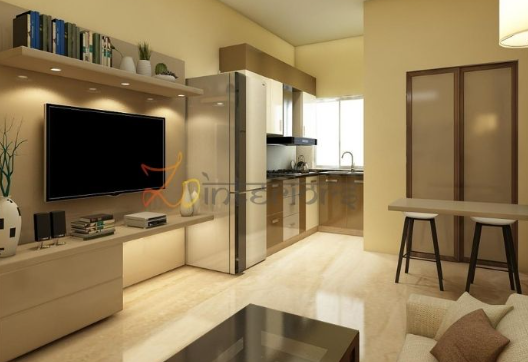
Choosing the right color finish for a small living room can dramatically impact its overall feel and aesthetics. Gloss and matte finishes each offer unique advantages and challenges, making the decision an essential one for homeowners or renters looking to maximize their space. This post will examine the characteristics of each finish and provide practical tips for making the best choice.
1. Understanding Gloss Finishes
Gloss finishes are shiny and reflective, which can enhance the brightness of a room by bouncing light around. This quality makes gloss paints ideal for small living rooms as they can create an illusion of more space, making the area feel larger and more open. A gloss finish is often used on trim, moldings, and accents, as it adds a touch of elegance and can make architectural features stand out.
However, gloss finishes can also highlight imperfections, such as uneven walls or poorly planned furniture arrangements, which might draw too much attention to flaws. If you’re considering gloss for your small space, it’s crucial to ensure that your walls are adequately prepared and that furniture complements the shiny aesthetic to maintain harmony in the room.
-
- Check wall conditions; repair any imperfections before painting.
-
- Use gloss on trims and accents to maintain a clean look while minimizing its use on larger surfaces.
-
- Consider lighter shades for a more expansive feel.
-
- Balance gloss elements with softer, non-reflective materials in furnishings.
-
- Experiment in smaller areas or accent pieces to see if gloss suits your overall decor strategy.
2. Exploring Matte Finishes
Matte finishes are non-reflective, offering a smooth, subtle appearance that can create a cozy and inviting atmosphere. In small living rooms, matte colors can help reduce visual clutter, making the space feel more grounded. This softer finish is excellent for creating a stylish backdrop that allows furniture and decor to stand out, rather than competing for attention.
One downside of matte finishes is their vulnerability to stains and scuffs, as they don’t wipe clean as easily as gloss finishes do. For high-traffic areas or homes with children or pets, you may need to weigh the aesthetic qualities of a matte finish against its practical limitations. Regular maintenance will be necessary to keep walls looking fresh and clean.
-
- Select paint with a washable matte finish if durability is a concern.
-
- Combine matte walls with contrasting glossy furniture to create visual interest.
-
- Use darker matte shades to add depth, but balance with lighter accessories.
-
- Choose fabrics for furniture that complement the matte texture for a cohesive look.
-
- Plan for regular touch-ups to maintain the finish over time.
3. Combining Gloss and Matte Finishes
A blend of gloss and matte finishes can offer the best of both worlds in a small living room. This combination allows homeowners to enhance certain features while keeping a soothing overall vibe. For example, you might opt for a matte wall color, paired with gloss accents on moldings, furniture legs, or decorative pieces to draw attention where it matters most.
In combining these finishes, make sure that the color palette remains consistent to avoid any jarring contrasts. Additionally, using the same hue in both finishes can aid in creating a cohesive look while still benefiting from the light-bouncing properties of gloss finishes in key areas.
-
- Choose a harmonious color palette that allows both finishes to complement each other.
-
- Define areas; use matte for larger walls and gloss for smaller accent elements.
-
- Consider glossy finishes for furniture surfaces to add dimension and easy cleaning.
-
- Avoid mixing competing colors for greater cohesion in small spaces.
-
- Use texture through fabrics and accessories to balance different finishes.
In conclusion, the choice between gloss and matte finishes in small living rooms depends on individual preferences, room conditions, and desired aesthetics. Experimenting with various combinations can lead to a beautifully styled space that functions effectively. Don’t hesitate to consult with a professional decorator or paint specialist to help you choose the right finish for your unique environment.