
Transforming a small living room can be a delightful challenge, especially when it comes to choosing the right colors. Reflective colors can enhance the space, making it feel larger and more inviting. In this blog post, we will explore innovative color ideas that can help you achieve a bright and airy atmosphere in your small living room.
1. Light Neutrals: The Classic Choice
Light neutral colors like beige, soft gray, and cream have long been favorites for small spaces. These colors have a unique ability to bounce light around the room, creating an illusion of more space. You might consider painting the walls a light shade while using slightly darker or richer tones for furniture to add depth without overwhelming the area.
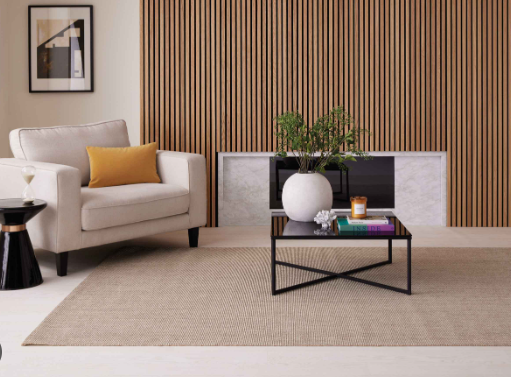
Using light neutrals isn’t just about paint colors; it can also apply to furniture and decor. For instance, a light beige sofa paired with a textured cream rug can set a harmonious tone in the room. Layering various light neutral tones can bring warmth and coziness instead of making the space feel sterile.
-
- Choose shades of white, beige, or light gray for walls.
-
- Opt for light-colored furniture to complement the walls.
-
- Incorporate textures like linen or wool for warmth.
-
- Use light-colored accessories to accentuate the space.
-
- Consider a glossy finish for furniture to enhance reflectivity.
2. Pastel Hues: Soft and Soothing
Pastel colors such as soft mint green, blush pink, and pale blue can infuse your small living room with a sense of calmness. These colors remain light enough to reflect natural light while adding a hint of personality to your space. A pastel accent wall can act as a backdrop for more vibrant decor elements, providing a balanced contrast.
To maintain a soothing vibe, try pairing pastel walls with matching decorations. A mint green wall can be complemented with coral or peach throw pillows and artwork, making the room feel cohesive and inviting. Moreover, pastels provide a perfect canvas to highlight your favorite pieces, ensuring they capture attention without being too overwhelming.
-
- Select one or two pastel colors for a cohesive palette.
-
- Incorporate different shades of pastels through accessories.
-
- Balance pastels with neutral undertones for less visual clutter.
-
- Use artwork and decor items to introduce contrasting colors.
-
- Avoid overly dark or strong colors that clash with pastels.
3. Reflective Metallics: A Touch of Glamour
Incorporating metallic colors such as gold, silver, or copper can elevate the elegance of your small living room. These shades not only add glam but also have the reflective qualities that help to create the illusion of space. You can choose to include metallics as accent walls, fixtures, or through decorative accessories like mirrors and frames.
For a bold statement, consider metallic wallpaper or a feature wall decorated with shimmering paint. This approach not only enhances natural light but also gives your small living room a luxurious feel. Combining metallics with light-colored fabrics, such as a white couch with metallic gold throw pillows, can create a stunning visual effect.
-
- Use metallic paint for one accent wall to create depth.
-
- Incorporate metallic decor such as lamps or frames.
-
- Choose lighting fixtures in reflective materials to enhance brightness.
-
- Balance metallics with softer colors to avoid overwhelming the room.
-
- Add mirrored furniture or decor to reflect light effectively.
4. Dark Accents: Bold and Beautiful
While light colors help in creating an airy feel, dark colors can also be effectively used in a small living room to create depth and character. Deep navy blue, forest green, or charcoal can be wonderful choices for an accent wall or large pieces of furniture. Used wisely, these colors can make the space feel more intimate while still allowing light to bounce around effectively.
To ensure that dark tones enhance your small room rather than making it feel cramped, balance them with lighter decor and accessories. For instance, a navy accent wall can pair beautifully with light-colored curtains, throws, and artwork to keep the atmosphere feeling open and vibrant. Using strategic lighting can also help to lift the dark hues, preventing the space from feeling heavy.
-
- Choose dark colors for one feature wall to avoid overwhelming the room.
-
- Use plenty of light-colored furnishings to balance the darkness.
-
- Incorporate mirrors to reflect light and brighten up dark corners.
-
- Use layered lighting to enhance the overall brightness.
-
- Introduce colorful accents that contrast with dark walls.
Choosing reflective colors for your small living room can significantly enhance its atmosphere and overall feel. Whether you prefer soft pastels, light neutrals, or bold dark accents, there’s plenty of inspiration to draw from. Consider consulting with a professional interior designer to develop a cohesive color plan that reflects your style while maximizing your space effectively.