
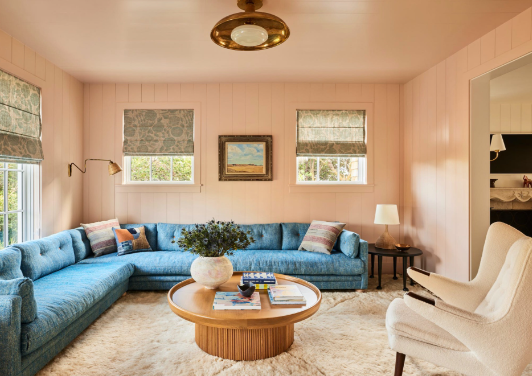
Decorating a small living room can be a delightful yet challenging endeavor, especially when it comes to matching colors. The right color palette can enhance the space, making it feel larger and more inviting. In this post, we’ll explore effective strategies to choose and match decor colors in your small living room.
1. Understand Color Theory
Before diving into your living room design, it’s essential to grasp the basics of color theory. Colors can either harmonize or clash, so being intentional about your choices can elevate your space. For instance, complementary colors—colors across from each other on the color wheel—can create a vibrant contrast that brings life to a room.
Additionally, analogous colors—those next to each other on the color wheel—can provide a more cohesive and soothing atmosphere. For small spaces, lighter colors often work best, as they reflect more light and can create an illusion of spaciousness. Use these foundational principles to establish a color scheme that best serves your needs.
-
- Study the color wheel for harmonious combinations.
-
- Choose a base color for your walls and larger furniture items.
-
- Experiment with swatches before committing to a palette.
-
- Consider how different colors make you feel.
2. Choose a Feature Color
A feature color can become the focal point in your small living room. This is often achieved through an accent wall, a piece of furniture, or decorative items like pillows or artwork. Choosing one striking color can ground the room while allowing other, more neutral colors to complement it. Think about colors that complement your personal style and the mood you wish to convey.
When deciding on a feature color, consider the size and light exposure of your space. Darker colors, while dramatic, might make the area feel smaller, so lighter or more vivid hues can be more suitable. Your feature color should relate seamlessly to the rest of your color scheme, tying everything together for a balanced look.
-
- Select a bold color for one wall or a major piece of furniture.
-
- Accessorize with complementary shades in smaller items.
-
- Incorporate the feature color through artwork or textiles.
-
- Ensure your feature color enhances the natural light in the room.
3. Use Neutrals Wisely
In small living rooms, neutrals play a crucial role. They can act as a backdrop, allowing brighter colors to pop without overwhelming the eye. Consider shades like whites, grays, and beiges, which can harmonize beautifully with your feature color and help maintain an airy feel in tighter spaces.
However, it’s important to layer different neutral tones for added depth. Mixing cream with light gray, for instance, can create a sophisticated backdrop that still feels warm and inviting. Don’t forget to include texture; a variety of materials such as wood, metal, and fabrics can keep the neutral palette from feeling flat.
-
- Choose a light neutral for walls and larger furniture.
-
- Incorporate various textures to add depth to neutrals.
-
- Mix warm and cool neutrals to create balance.
-
- Accessorize neutrals with pops of color for excitement.
4. Lighting Matters
The lighting in your small living room can dramatically affect how colors appear. Natural light can enhance certain hues, making them appear softer or more vibrant, while artificial light can cast different tones that might change the room’s atmosphere entirely. Pay attention to the lighting during different times of the day to see how your color choices react to it.
Incorporate multiple sources of light, from floor lamps to table lamps, ensuring that all areas are well-lit. Use warm-toned bulbs to create a cozy ambiance, and consider dimmer switches for adjustable lighting options. Choosing the right lighting can significantly enhance your color scheme and make your small living room feel inviting and spacious.
-
- Test your colors in different lighting conditions.
-
- Use warm bulbs to create a welcoming atmosphere.
-
- Add multiple light sources for better coverage.
-
- Consider dimmers for mood lighting options.
5. Personalize with Accessories
Accessories provide an excellent opportunity to experiment with color without committing to major changes. Throw pillows, rugs, and artwork are all fantastic ways to incorporate additional hues that reflect your personality and style. These elements can be easily swapped out seasonally or as your tastes evolve, making them a flexible approach to decorating.
Choose accessories that pick up on the colors already present in your space, creating a sense of continuity and cohesion. For example, if your feature color is teal, consider placing a few teal throw pillows on a neutral sofa or adding teal art pieces to the wall. These small touches can tie the room together beautifully.
-
- Select accessories that reflect your personality.
-
- Use bold colors or patterns in smaller items for ease of change.
-
- Mix different textures to add interest and warmth.
-
- Rotate accessories seasonally to keep the space feeling fresh.
In conclusion, matching decor colors in a small living room requires thoughtful consideration and creativity. By understanding color theory, choosing a feature color, utilizing neutrals, focusing on lighting, and personalizing with accessories, you can create a cohesive and inviting space. Take these tips to heart, and don’t hesitate to reach out to a professional interior designer if you need further guidance. Happy decorating!