
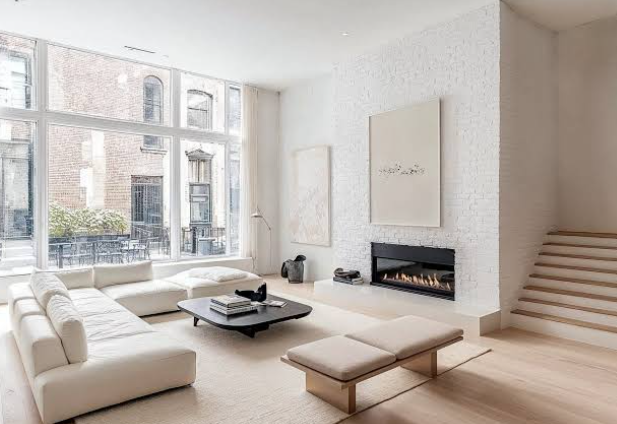
Scandinavian design has gained immense popularity for its simplicity, functionality, and elegant aesthetics. When it comes to small living rooms, choosing the right color scheme can make the space feel larger and more inviting. In this post, we will explore various color schemes that epitomize Scandinavian style and offer practical tips for creating a serene atmosphere in your living area.
1. Embracing Neutral Tones
One of the defining features of Scandinavian design is its embrace of neutral tones. Colors like white, beige, and soft grays create a calming environment that allows light to bounce off the walls, making even the smallest of spaces feel airy and open. Utilizing a predominantly neutral palette also provides a versatile backdrop that allows for easy seasonal updates using accessories or furniture.
To incorporate neutral tones effectively, consider painting your walls in a soft white or light gray, then layering various textures through throws, cushions, and furniture. This layer of depth can enhance the aesthetic without compromising on simplicity. A well-placed mirror can also serve as an excellent way to reflect light and give the illusion of a larger space.
-
- Choose light colors for walls to maximize light.
-
- Incorporate different textures within the neutral palette.
-
- Use mirrors to reflect light and create depth.
-
- Avoid dark furniture that can weigh down the space.
2. Pops of Color through Accents
While neutral colors form the basis of Scandinavian design, incorporating pops of color can add vibrancy to your small living room. Consider using jewel tones like emerald green, navy blue, or mustard yellow for accent pieces such as cushions, wall art, or decorative objects. This not only personalizes the space but also enhances the overall warmth and lightness of the room.
When selecting accent colors, think about how they complement your dominant neutral shades. Mixing tones that evoke a harmonious balance adds interest without overwhelming the senses. A piece of statement art or a colorful rug can tie the whole room together and serve as a focal point, drawing the eye and keeping the design cohesive.
-
- Select one or two accent colors to maintain balance.
-
- Use cushions and rugs for easy color changes.
-
- Choose wall art that resonates with your color scheme.
-
- Limit the number of accent colors to avoid clutter.
3. The Power of Earthy Shades
Earthy shades such as terracotta, muted greens, and rich browns can bring warmth and comfort to a small living room. These grounded colors can create an organic feel, connecting indoor spaces to nature. Incorporating plants and natural materials alongside these colors can amplify this effect, making your living area feel cozy and inviting.
For a balanced look, use earthy shades as either wall colors or in accent furniture and textiles. Consider a terracotta paint or clay pots for indoor plants, which not only enhances your color scheme but also improves air quality. Pairing these tones with natural wood furniture can add texture, making the design inviting and harmonious.
-
- Choose earthy colors that evoke a sense of nature.
-
- Incorporate natural wood elements for added warmth.
-
- Add indoor plants to enliven the space.
-
- Use ceramics and textiles that echo earthy tones.
4. Textures and Layers for Dimension
In a small living room, layering textures can add depth and interest without overwhelming the visual space. Scandinavian interiors often utilize various materials to create a tactile experience. From soft wool rugs to bulky knit throws, mixing textures can keep the look fresh and inviting, enhancing your chosen color palette.
When layering textures, consider the balance of weights and materials so that they do not compete with each other. For example, if you have lighter walls, pairing a chunky knit throw on a sleek sofa creates a nice contrast. Incorporating accessories like wicker baskets or wooden shelves can further build on the texture while providing functionality and storage.
-
- Mix different materials like wood, wool, and metal.
-
- Keep larger items lightweight to avoid a cramped feel.
-
- Use throws and pillows to soften hard edges.
-
- Incorporate functional decor like storage baskets.
In conclusion, creating a Scandinavian-inspired small living room involves thoughtful consideration of color schemes and textures. By embracing neutral tones, incorporating pops of color, choosing earthy shades, and layering various textures, you can create a harmonious and inviting space that feels larger than it is. Don’t hesitate to experiment and discover what colors resonate with you, and consider consulting a design professional if you need personalized guidance to refine your vision.