
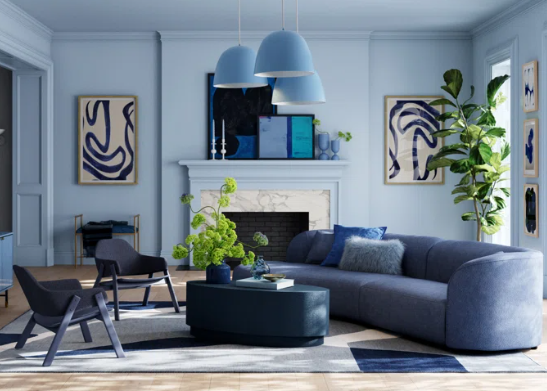
Monochrome color palettes can transform a small living room into a cozy and stylish retreat. By using varying shades and tones of a single color, you can create depth and dimension while avoiding the overwhelming clutter of multiple hues. Let’s delve into how you can effectively implement monochrome color schemes in your limited space.
1. Choosing Your Base Color
When it comes to establishing a monochrome palette, the first step is selecting a base color. Neutral tones such as whites, grays, or beiges are excellent choices, as they provide a timeless backdrop. Alternatively, bold colors like deep blues or rich greens can make a statement and give personality to your small living room.
Consider how the chosen color complements your living room’s natural light and existing furnishings. A light color can open up the space and make it feel larger, while a dark tone can create an intimate ambiance. It’s also beneficial to look at color samples in different lighting conditions to ensure your choice resonates with your overall design vision.
-
- Test paint samples on the wall first.
-
- Consider the mood you want to create.
-
- Think about how your chosen color interacts with natural light.
-
- Match the base color with your existing furniture.
2. Layering Textures and Patterns
Using various textures and patterns within a monochrome palette can add interest and depth to your small living room. Soft textiles, shiny surfaces, and varied materials can break up the uniformity of color while maintaining a cohesive look. For example, consider pairing a plush velvet sofa with a sleek leather chair, both in shades of gray.
Incorporating patterns can be done subtly through throw pillows, rugs, or art pieces. Patterns, when done in different shades of your base color, contribute significantly to visual interest without straying from the monochrome scheme. This layering is essential in small living rooms where each element must work harmoniously to make the space feel dynamic.
-
- Mix different materials like fabrics and metals.
-
- Incorporate subtle patterns for added depth.
-
- Use varying textures to enhance cohesiveness.
-
- Balance bold patterns with solid colors.
3. Accessorizing with Purpose
Accessories can significantly enhance your monochrome living room while keeping it stylish and functional. Decorative items like vases, books, and artwork can add character without overwhelming the space. Choose accessories that reflect your base color in various shades, ensuring they blend seamlessly into the palette.
Lighting fixtures also play a crucial role in accentuating your monochromatic theme. Opt for lamps, sconces, or ceiling lights that echo your color choice, whether through the shade or base. A carefully curated selection of accessories will create a polished look that feels intentional and harmonious.
-
- Select accessories that vary in tone but stay true to your chosen color.
-
- Incorporate mirrors to reflect light and enlarge the space.
-
- Choose cohesive lighting that compliments your color scheme.
-
- Avoid clutter by sticking to a limited color range for accessories.
4. Creating Visual Anchors
In small living rooms, it’s vital to establish focal points that draw the eye and provide structure to the space. A statement piece, such as a large piece of artwork or a standout rug, can serve as a visual anchor in your monochrome design. This helps guide the layout and arrangement of furniture while reinforcing the overall theme.
Consider designing your seating arrangement around these focal points to create a natural flow. For example, a bold piece of wall art might sit above a minimalist console table, with seating oriented toward these elements. This can enhance engagement and create a well-integrated living space.
-
- Invest in a few statement pieces to draw attention.
-
- Arrange furniture around your focal points for cohesion.
-
- Balance multiple visual anchors with simplicity in surrounding decor.
-
- Ensure your anchors remain in the same color family.
Incorporating a monochrome color palette into a small living room can be a transformative and rewarding experience. With careful planning and attention to details like color selection, texture layering, thoughtful accessorizing, and creating focal points, your small space can evolve into a sophisticated retreat. Don’t hesitate to seek professional advice if needed, but feel empowered to start experimenting with your chosen color palettes today!