
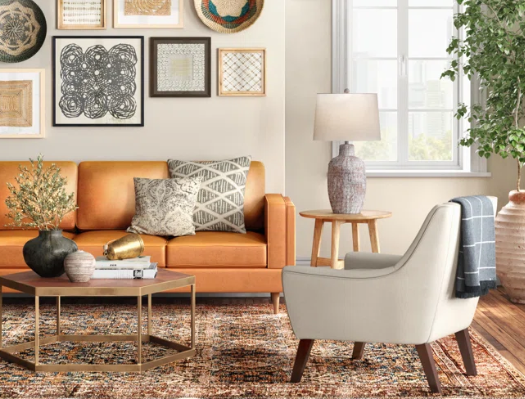
When it comes to decorating a small living room, the choice of color scheme can significantly impact the mood and perceived space of the area. Warm color schemes, defined by hues like reds, oranges, and yellows, can create an inviting and cozy atmosphere, perfect for smaller spaces. This blog post will explore various aspects of using warm color palettes to enhance your small living room.
1. Understanding Warm Colors
Warm colors are often associated with sunlight and heat, creating a feeling of warmth and comfort. These colors evoke feelings of energy and excitement, making them perfect for social spaces like living rooms. When selecting warm colors for a small living room, consider how these hues can influence the light and mood of the space. For instance, a soft golden yellow can make a room feel cheerful without overwhelming it.
Another essential aspect is the balance of warm colors. When combined effectively, these colors can open up the space. A warm terracotta wall with soft cream accessories can provide contrast without sacrificing warmth. Additionally, utilizing different shades of warm colors can add depth, as lighter tones can help highlight certain areas and darker tones can create subtle focal points.
-
- Choose a primary warm color to dominate the space.
-
- Consider the saturation; lighter shades tend to create an airier feel.
-
- Mix and match colors for a balanced look.
-
- Test paint swatches on your walls to see how they look at different times of the day.
2. Accentuating with Accessories
When working with a warm color scheme, accessories can serve as an excellent way to introduce these hues delicately. Items such as pillows, throws, artwork, and decorative items can complement your walls without overpowering the overall design. For instance, a rich burgundy pillow can add a touch of depth against a lighter background, creating a layered look that draws the eye in.
Additionally, consider the textures of your accessories. Mixing various materials—such as soft fabrics, rustic wood, or shiny metals—can help maintain visual interest. When strategically placed, accessories can act as talking points, enhancing the cozy and inviting atmosphere while keeping your living room stylish and functional.
-
- Incorporate different textures with fabrics like velvet, cotton, and wool.
-
- Use warm-toned artwork to tie the color scheme together.
-
- Arrange accessories in groups for visual impact.
-
- Don’t overcrowd; leave some spaces open for airiness.
3. Lighting Considerations
Lighting plays a crucial role when working with warm color schemes in small living rooms. The right lighting can enhance the warmth of your chosen colors, making the space feel more inviting. Natural light helps to bring out warm colors beautifully, but at night, you’ll want to rely on artificial lighting that complements the warmth, such as soft yellow LED bulbs or warm-toned lamps.
Consider layering your lighting to create depth and dimension in the room. A combination of overhead lighting, floor lamps, and accent lighting can add to the cozy ambiance, turning a small space into a welcoming haven. Moreover, dimmer switches can allow you to adjust the brightness according to your mood or occasion, enhancing the effectiveness of your warm color palette.
-
- Use warm white bulbs for a cozy, inviting glow.
-
- Incorporate multiple light sources for a layered effect.
-
- Include lamps with warm-toned shades to diffuse light effectively.
-
- Consider window treatments that maximize natural light.
4. Exploring Patterns and Prints
Incorporating patterns and prints into your warm color scheme can add another layer of visual interest to your small living room. Patterns create movement and can direct attention toward specific areas, which is particularly useful when decorating smaller spaces. Opt for warm-toned geometric patterns on a rug or curtains to engage the eyes without overwhelming the area.
Additionally, mixing different patterns—such as floral, stripes, and abstract shapes—can be balanced by keeping them within a warm color palette. The key is to ensure that the patterns complement each other, maintaining harmony in the overall design. For example, a rich orange and cream floral throw pillow can sit beautifully alongside a subtle beige patterned rug, enhancing the overall cozy aesthetic.
-
- Choose a variety of patterns, but stay within the warm color family.
-
- Mix larger patterns with smaller ones for balance.
-
- Incorporate prints in textiles, such as throws and cushions.
-
- Maintain a consistent color palette to ensure cohesion.
5. Creating a Focal Point
In small spaces, creating a focal point can draw attention and make the environment more engaging. A warm color focal point, such as a bold accent wall or a striking piece of furniture, can serve as the centerpiece of your living room design. For instance, consider painting one wall a deep warm red and arranging lighter furniture around it. This draws the eye and creates a sense of sophistication.
Functional furniture pieces can also serve as focal points if colored appropriately. A warm-hued sectional sofa can anchor the space and invite conversation. Alternatively, open shelving units painted in warm hues can display decorative items, further enhancing the focal point while contributing to a cozy vibe. This strategic placement allows your small living room to feel more expansive and thoughtfully designed.
-
- Use bold colors sparingly to ensure they stand out.
-
- Choose meaningful decor to enhance the focal point.
-
- Incorporate lighting to highlight the focal area.
-
- Avoid clutter around the focal point to maintain its impact.
In conclusion, warm color schemes can transform a small living room into an inviting oasis. By understanding the fundamentals of color, utilizing accessories, optimizing lighting, experimenting with patterns, and creating focal points, you can achieve a cozy, welcoming atmosphere. Consider taking these insights to your next home project, and perhaps consult a professional for tailored advice that suits your unique style and needs.