
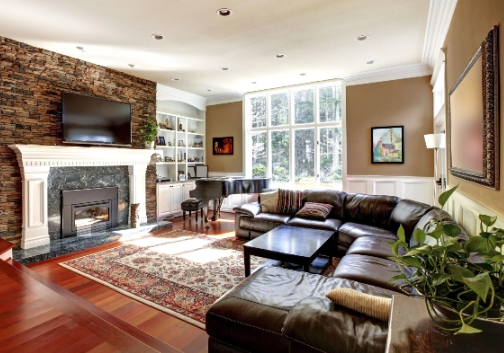
Choosing the right color combinations for your small living room can dramatically impact its perception of space and style. With the right hues, you can create an inviting atmosphere while also making the area feel larger and more open. In this guide, we’ll explore effective floor and wall color combinations tailored specifically for small living rooms.
1. Light Walls with Dark Flooring
One of the most classic combinations for small living rooms is to pair light-colored walls with darker flooring. Light walls, such as soft whites, light grays, or pale pastels, reflect more natural light, giving the impression of a larger space. This contrast emphasizes the floor, drawing the eye downward and adding depth to the room.
Dark flooring, like espresso hardwood or deep gray tiles, adds warmth and elegance while grounding the space. The juxtaposition not only creates visual interest but also enhances the room’s sophistication. For added dimension, consider using textured materials like a patterned rug to separate the sitting area from other parts of the room.
-
- Choose light wall paint like soft beige or muted shades of blue.
-
- Select flooring options such as dark-stained wood or slate tiles.
-
- Add a colorful area rug to introduce more depth.
-
- Use light-colored furniture to balance the dark flooring.
2. Monochromatic Scheme with a Pop of Color
A monochromatic color scheme can work wonders in a small living room. By selecting varying shades of a single color—like soft blues or grays—you create a cohesive look that feels serene and expansive. This is particularly effective for walls and bigger furniture pieces, eliminating overwhelming contrasts that can close in on the space.
In this setup, you can infuse energy and dynamism by adding a pop of color through accessories like cushions, throws, or artwork. For example, if your base is soft gray, incorporate bright coral or vibrant yellow accents to create focal points without cluttering the room visually. This approach allows for personality while maintaining a spacious feel.
-
- Select one main color, then use varying shades for walls, furniture, and decor.
-
- Add strategic pops of color through cushions, art, and rugs.
-
- Keep flooring neutral to enhance the monochromatic theme.
-
- Choose lighter shades for walls to create an airy atmosphere.
3. Contrasting Hues for Visual Interest
For those who love bold options, using contrasting colors can transform a small living room into a dynamic space. Pairing a bright, bold wall color, such as a rich teal or deep red, with lighter flooring, like beech or pale oak, creates an eye-catching contrast. This not only helps delineate areas within the room but also makes a strong design statement.
To keep the contrast from overwhelming the space, consider using neutral furniture pieces to ground the vibrant hues. Accessories like pillows, wall art, or a striking coffee table can also bridge the gap between the dominant colors, creating a harmonious flow throughout the room. Balance is key, so be intentional about how you introduce colors.
-
- Choose a striking wall color to set the tone of the room.
-
- Keep the floor light to allow the walls to pop without closing in.
-
- Incorporate neutral furniture to prevent clashing tones.
-
- Add accessories that tie the contrasting colors together.
Finding the perfect floor and wall color combinations in a small living room requires creative thinking and practical choices. Remember to balance bold colors with lighter tones and consider how different materials and textures interact. Experimenting with these combinations can be a fun and rewarding process!