
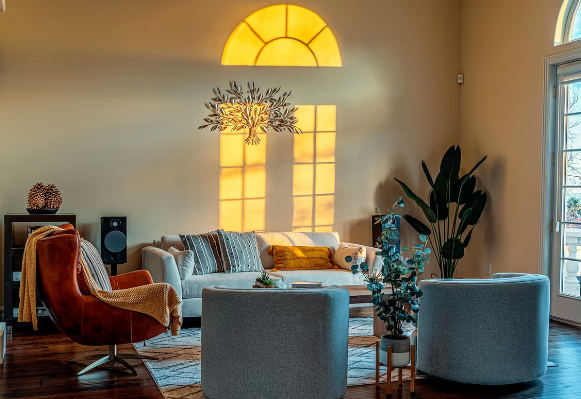
Color psychology plays a crucial role in our living spaces, especially in small living rooms where every detail matters. By understanding how colors affect mood and perception, you can create a harmonious environment that feels larger and more inviting. Dive into the world of color psychology and discover how it can transform your small living room.
1. Choosing the Right Base Colors
Base colors set the tone for any room, especially small living rooms. Light and neutral shades are particularly effective as they reflect more light, making the space appear larger and airy. Colors like soft whites, light grays, and beige can create a serene backdrop that complements other design elements.
When selecting a base color, consider your furniture and decor. If your couch is dark, a lighter wall color can provide a pleasing contrast and help the furniture stand out. Experiment with different shades and see how they interact with the natural light in your space throughout the day.
-
- Opt for light shades like soft whites or pale blues.
-
- Consider using a satin or eggshell finish to reflect light.
-
- Test paint samples on your wall and observe them at different times of the day.
-
- Avoid overly bold or dark base colors that can close in the space.
2. Accents That Pop
Accent colors bring personality to your living room and can greatly influence your mood. Bright hues such as yellows, greens, or blues can energize the space and evoke a feeling of happiness. Consider adding these colors through decorative pillows, artwork, or even an accent wall.
However, it’s essential to strike a balance between vibrant accents and calming base colors. Too many accents can feel chaotic, while a few well-placed pops can elevate the aesthetic. To create a cohesive look, choose two or three accent colors that work harmoniously together and echo elements already present in the room.
-
- Select two to three accent colors to maintain cohesion.
-
- Use vibrant cushions or rugs to introduce pops of color.
-
- Incorporate colorful art pieces that reflect your personality.
-
- Limit your use of accent colors to avoid overwhelming the space.
3. The Psychological Effects of Color
Colors have the ability to influence our emotions. For instance, blue is typically associated with calmness, making it an excellent choice for a small living room where relaxation is a priority. Similarly, greens and earth tones can bring a sense of balance and connection to nature, creating a peaceful ambiance.
Understanding the psychological implications of different colors can help you tailor your space to your lifestyle. If you entertain often, warm colors like oranges and reds may stimulate conversation and energy. Conversely, hues like lavender and soft pastels can foster tranquility and comfort.
-
- Use soft blues and greens for a calming effect.
-
- Incorporate warm colors if you entertain frequently.
-
- Avoid overly aggressive colors that may lead to stress or discomfort.
-
- Consider your daily activities when choosing color schemes.
4. Lighting’s Role in Color Perception
Lighting can dramatically alter how colors appear in your living room. Natural light often enhances lighter shades, while artificial light can create shadows that affect the perception of colors. To maximize the impact of your chosen color palette, consider how different light sources interact with your space.
For a small living room lacking natural light, brightly colored lamps and strategically placed mirrors can help reflect light and make the area feel brighter. Additionally, using a combination of ambient, task, and accent lighting can create a layered effect that showcases your color choices effectively.
- Use warm white LED bulbs to enhance cozy colors.
- Incorporate mirrors to amplify natural light.
- Utilize multi-layered lighting for a more dynamic space.
- Adjust lighting according to time of day and mood.
With thoughtful attention to color choices, you can transform your small living room into a cozy, inviting area that reflects your style while making the most of its size. Don’t hesitate to explore different combinations and consult a professional if you need guidance. Start painting, accessorizing, and enjoy the process of creating your dream living space!