
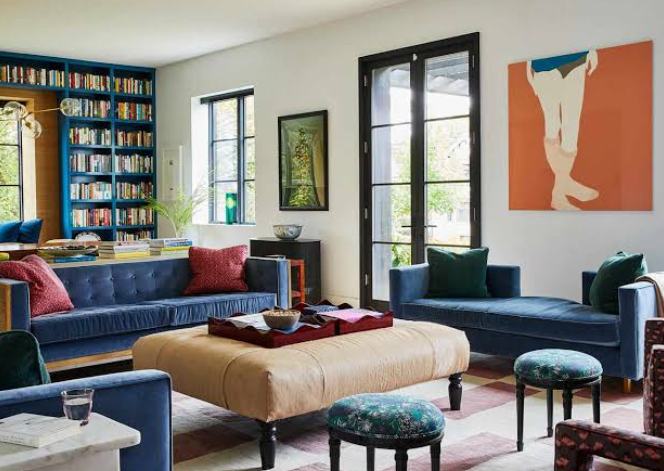
Creating a serene living space can greatly enhance your comfort at home, especially in smaller living rooms where every detail matters. Selecting a calming color palette is a critical starting point for establishing a relaxing atmosphere. This blog will explore some effective strategies for using soothing colors to transform your small living room into a peaceful sanctuary.
1. Embrace Soft Neutrals
Soft neutral tones are the backbone of calming color palettes. Colors like beige, soft white, and light gray not only create a sense of tranquility but also help to visually expand a small space. These hues reflect natural light, which can make your living area feel larger and more inviting. Pairing these colors with minimalist decor can reinforce a clean and serene ambiance.
Choosing the right neutral doesn’t mean sacrificing personality. Consider warm whites to add a touch of coziness or cool grays for a modern feel. Textured fabrics like linen or soft cotton in neutral shades can add depth and interest without overwhelming the senses. You can even incorporate small accent pieces in soft pastels for a gentle contrast that maintains the calming vibe.
-
- Choose matte finishes over glossy ones for a softer look.
-
- Incorporate texture through pillows, throws, or rugs.
-
- Use varying shades of neutrals to create depth.
-
- Limit bold accents to maintain a peaceful palette.
2. Introduce Nature-Inspired Colors
Nature inspires a wide array of relaxing colors that can breathe life into your small living room. Soft greens reminiscent of foliage, sky blues, and sandy beiges can evoke feelings of being outdoors, promoting relaxation and tranquility. These colors work well together or on their own, offering multiple combinations that align with a calming atmosphere.
To create a cohesive look, consider using accent walls or decorative elements inspired by nature. A soft green paint or wallpaper can create a fresh backdrop, while blue accents can elevate the feeling of serenity. Incorporate house plants or natural materials like wooden furniture to further enhance that connection with nature, creating a holistic approach to your living space.
-
- Combine muted greens with earthy tones for balance.
-
- Use soft blue accessories, like cushions or art, for a splash of color.
-
- Choose organic materials for furniture and decor.
-
- Create a focal point with a nature-inspired piece, like art or textiles.
3. Opt for Calming Accent Colors
While a neutral or nature-inspired base is essential, adding calming accent colors can inject personality into your small living room without overwhelming it. Hues like soft lavender, blush pink, or gentle turquoise can enrich your space while maintaining an overall soothing vibe. These colors pair beautifully with the more neutral palette, allowing for visual interest without cluttering the eye.
Incorporate these accent colors through carefully chosen decor items such as throw pillows, artwork, or even a stylish rug. The trick is to select a few standout pieces that harmonize with your main color scheme. Too many bold colors can create a stark contrast that disrupts the calming effect you’re trying to achieve, so keep it simple and cohesive.
-
- Limit accent colors to two or three for harmony.
-
- Use decorative items to introduce these colors gradually.
-
- Experiment with different patterns in soft hues to enhance texture.
-
- Choose art pieces that reflect your calming palette.
Transforming your small living room into a calming retreat doesn’t have to be a daunting task. By thoughtfully selecting soft neutrals, nature-inspired colors, and careful accents, you can create a space that promotes relaxation. Getting started on this project may inspire you to seek out professional advice or even experiment with your own design ideas.