
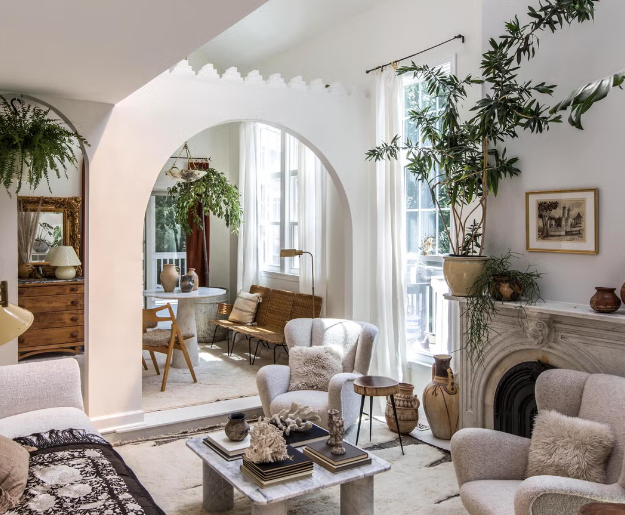
When it comes to compact living rooms, color styling can make a significant difference in how the space feels and functions. The right colors not only create an illusion of spaciousness but can also set the mood for the entire room. Here are some effective tips to consider when choosing colors for your compact living area.
1. Choose a Neutral Base
Starting with a neutral color palette is one of the best strategies for a small living room. Colors like whites, beiges, and soft grays can work wonders by creating an airy feel that opens up the space. These colors reflect natural light, making the room feel larger and brighter. Think of using a crisp white or a light taupe as your base—this will form a versatile backdrop for more vibrant accents.
Once you have your neutral foundation, you can introduce pops of color through accessories like cushions, artwork, or rugs. This approach allows you to change the room’s character without the commitment of repainting. For instance, a couple of vibrant throw pillows can instantly uplift a neutral sofa while maintaining a harmonious look.
-
- Opt for light-toned neutrals for walls and large furniture.
-
- Choose furniture with legs to enhance the sense of space.
-
- Incorporate small decor elements in bright colors.
-
- Consider using a mix of textures to add interest without adding heaviness.
2. Create Color Zones
In a compact living room, creating distinct color zones can help in delineating different areas within the space. For example, you might use softer, calming colors for the sitting area and brighter shades for any workspace or reading nook. This division can help make the room feel more organized and purposeful.
To effectively implement color zones, consider a paint technique such as color blocking or using different wallpaper on one accent wall. An accent wall painted in a bold color like teal or mustard can add depth and character to your room. Consider your furniture layout as you apply these ideas; different zones can enhance functionality by guiding movement.
-
- Choose distinct, but complementary colors for different zones.
-
- Use rugs to visually separate areas.
-
- Incorporate varying lighting to enhance each zone’s color scheme.
-
- Utilize artwork to reinforce the color zones creatively.
3. Use Mirrors and Reflective Surfaces
Mirrors and reflective surfaces can amplify light, making small rooms feel larger. Placing a large mirror on a wall painted a darker color can create a striking effect while helping to expand the visual space in the room. Additionally, incorporating furniture or decor with reflective finishes—like glass tables or metallic accents—can add depth and intrigue.
Another trick is to strategically place mirrors opposite windows to reflect the view and enhance natural light further. This method not only brightens your living room but also pulls the outside in, making the room feel more connected to the outdoor world. When combined with the right color palette, reflective surfaces create a dynamic and inviting atmosphere.
-
- Choose mirrors in interesting shapes to serve as decor pieces.
-
- Position mirrors to reflect light sources.
-
- Incorporate glossy finishes in furniture for an airy feel.
-
- Consider open shelving made of glass to enhance light flow.
When it comes to compact living rooms, thoughtful color choices can transform your space from cramped to cozy. Whether you choose a neutral base, create color zones, or leverage reflective surfaces, the result can be a beautifully styled living room that maximizes its potential. Start exploring these ideas today, and don’t hesitate to consult a professional for personalized advice tailored to your specific space.